2025 Top Printed Composite Bag Trends You Need to Know About
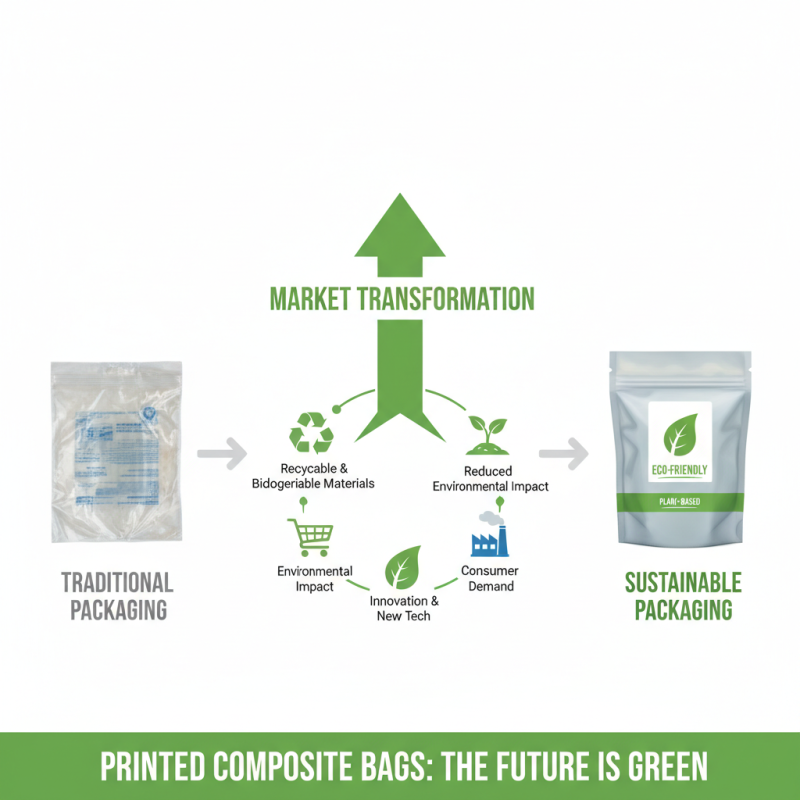
In the ever-evolving world of packaging, the Printed Composite Bag is poised to take center stage in 2025 with innovative trends that cater to both functionality and aesthetic appeal. These versatile bags, made from a combination of materials that enhance durability and print quality, are becoming increasingly popular across various industries. As sustainability takes precedence in consumer preferences, the Printed Composite Bag is adapting to meet these demands while offering eye-catching designs that captivate consumers on the shelves.
The trends surrounding Printed Composite Bags in 2025 reflect a shift towards eco-friendly solutions without compromising on style. Concentrating on sustainable materials and advanced printing techniques, manufacturers are experimenting with vibrant colors, intricate patterns, and unique textures. This evolution in design not only enhances brand identity but also aligns with the growing movement towards responsible consumerism. As businesses embrace these trends, understanding the emerging landscape of Printed Composite Bags becomes essential for staying relevant and competitive.
In conclusion, the Printed Composite Bag is set to evolve in ways that cater to both consumer preferences and environmental responsibilities. Being well-informed about these emerging trends will empower businesses to leverage the potential of printed composite packaging, ensuring they meet the expectations of a more conscious and style-driven marketplace in 2025.
Emerging Materials in Printed Composite Bags for 2025
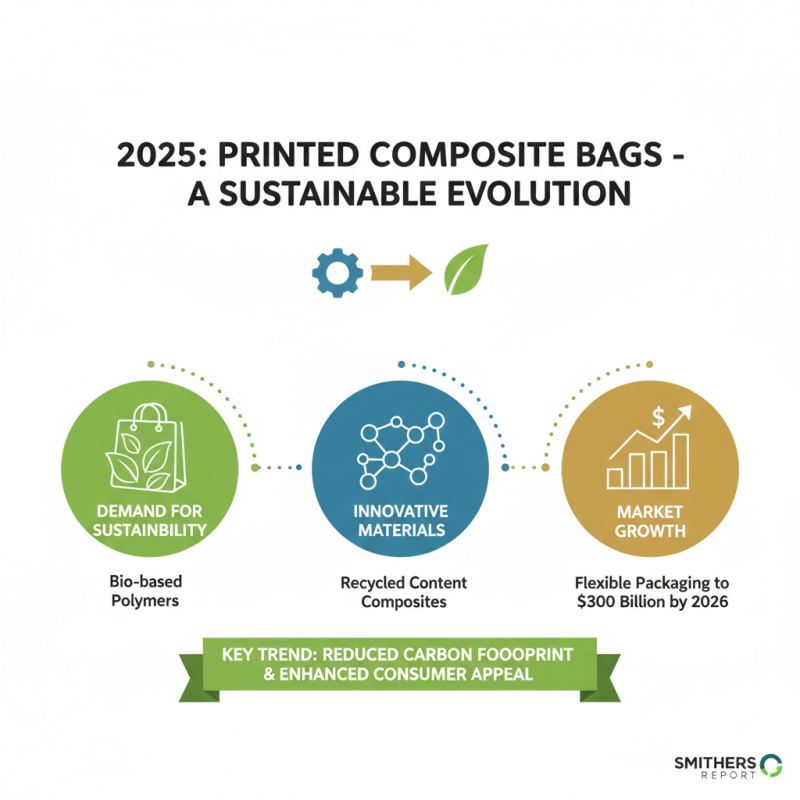
As we approach 2025, the printed composite bags industry is on the brink of significant transformation, driven by an increasing demand for sustainability and innovative materials. According to a recent report by Smithers, the market for flexible packaging is projected to reach $300 billion by 2026, with composite materials playing a pivotal role. Emerging materials such as bio-based polymers and recycled content composites are gaining traction, reflecting a shift towards environmentally-conscious production. These advancements not only reduce carbon footprints but also enhance the desirability of printed composite bags among environmentally-aware consumers.
Additionally, the implementation of cutting-edge technologies in material science is paving the way for smarter composite bag designs in 2025. Advanced barrier properties are being achieved through the integration of nanomaterials and innovative coatings, creating packages that are not only lightweight but also resistant to moisture and oxygen. A report by Grand View Research indicates that the global market for biodegradable bags is expected to expand at a CAGR of 14.5% from 2021 to 2028. This growth highlights the increasing consumer preference for sustainable options, encouraging manufacturers to invest in research and development of eco-friendly printed composite bags. Overall, the second half of the decade is likely to witness an evolution in bag design, driven by emerging materials and sustainability trends.
Innovative Printing Techniques Shaping Composite Bag Designs
The landscape of composite bag design is rapidly evolving, fueled by innovative printing techniques that push the boundaries of creativity and functionality. In 2025, we can expect to see a surge in the use of digital and eco-friendly printing methods. These technologies not only allow for intricate and vibrant designs but also emphasize sustainability by reducing waste and energy consumption. The ability to print directly onto composite materials with precision opens new avenues for customization, making it easier for brands to stand out in a competitive market.
Among the prominent trends, the integration of augmented reality (AR) in bag printing is gaining traction. This technique enables consumers to engage with bags in an interactive manner, bringing static designs to life through digital animations when viewed through a smartphone. Additionally, advancements in textile printing are allowing for greater versatility in the materials used, enabling designers to experiment with textures and finishes that were previously unattainable. As designers continue to innovate, the interplay between form and function will create composite bags that not only serve practical purposes but also reflect individual style and environmental consciousness.
Sustainability Trends in Composite Bag Production
Sustainability is becoming a driving force in the production of composite bags, with industry trends reflecting a growing consciousness among manufacturers and consumers alike. According to a recent report by Smithers Pira, the global market for sustainable packaging is expected to reach $500 billion by 2025, driven largely by increased demand for eco-friendly alternatives. Composite bags, often made from a blend of materials such as paper and plastic, are increasingly being designed to reduce waste and improve recyclability. This shift is not only beneficial for the environment but also for businesses looking to align with consumer values.
The use of biodegradable materials in composite bags is on the rise, with projections indicating that nearly 30% of all new packaging products will be produced from sustainable resources by 2025. This trend is propelled by advancements in material science, which are allowing for the development of innovative alternatives without compromising on durability and functionality. Furthermore, studies suggest that businesses adopting sustainable practices can see a significant increase in customer loyalty, with 73% of consumers indicating they are willing to pay more for products that utilize environmentally friendly packaging. As the demand for sustainable composite bags grows, it is vital for manufacturers to stay ahead of these trends to meet consumer expectations and regulatory standards.
2025 Top Printed Composite Bag Trends
Consumer Preferences Driving 2025 Printed Bag Styles
As we approach 2025, the landscape of printed composite bags is evolving in tandem with consumer preferences that emphasize sustainability, personalization, and innovation. Shoppers are increasingly seeking eco-friendly options that align with their values. This shift is significantly impacting design trends, prompting manufacturers to embrace biodegradable materials and inks that minimize environmental impact. Consumers are not just looking for utility; they want bags that convey their personal style while making a statement about their commitment to the planet.
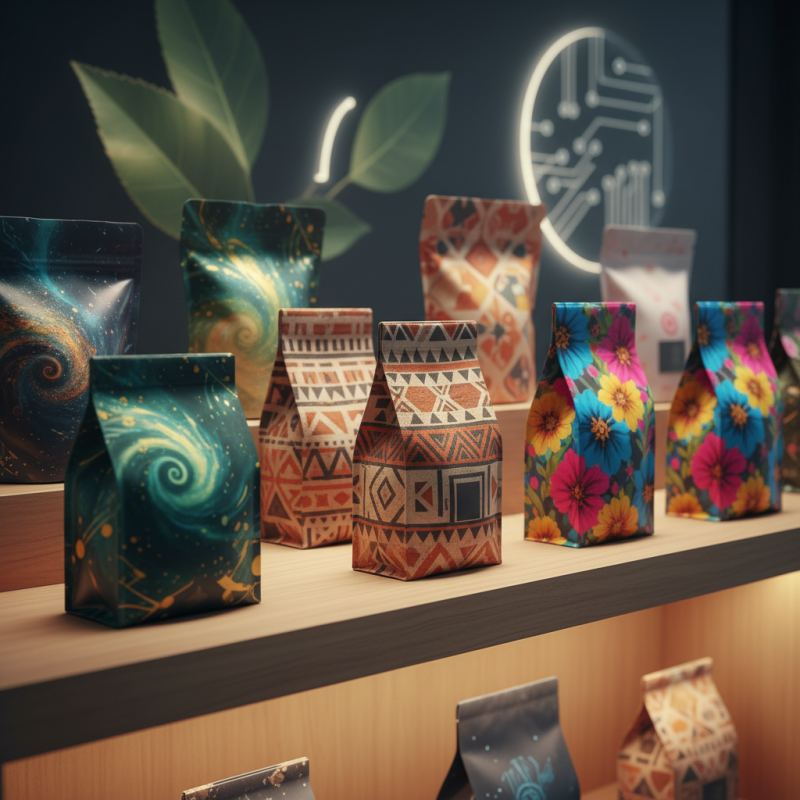
Incorporating unique patterns, bold colors, and artistic designs is essential in meeting these consumer demands. Trendy motifs that reflect current cultural movements and social issues are becoming standard in bag designs. Customization options, where consumers can personalize their bags with names or designs, are also gaining popularity. This reflects a broader consumer desire for individual expression and connection to the products they use.
**Tip:** When designing printed bags, focus on sustainable materials and vibrant, eye-catching designs. Consider incorporating local art or themes that resonate with your target demographic.
As brands prepare for the upcoming year, understanding these consumer preferences will be crucial in curating collections that resonate with shoppers. Adapting to these trends not only enhances product appeal but also strengthens brand loyalty in a competitive market.
**Tip:** Engage with your audience through surveys or social media to gather insights on design preferences. This can help you tailor your products to meet the desires of your consumer base effectively.
2025 Top Printed Composite Bag Trends You Need to Know About
| Trend Category |
Popular Colors |
Design Patterns |
Sustainability Focus |
Target Demographic |
| Eco-Friendly Materials |
Green, Brown, Earth Tones |
Nature Inspired, Minimalistic |
High |
Eco-Conscious Consumers |
| Bold Typography |
Black, White, Bright Neon |
Geometric, Abstract |
Medium |
Young Adults, Trendsetters |
| Artisanal Craftsmanship |
Warm Reds, Yellows, Earthy Tones |
Handmade Feel, Textured Prints |
High |
Art Lovers, Craft Enthusiasts |
| Tech Integration |
Metallics, Futuristic Colors |
Digital Patterns, Tech Designs |
Medium |
Tech Savvy Consumers |
| Vintage Revival |
Pastel Colors, Muted Hues |
Retro Prints, Classic Styles |
Medium |
Fashion Enthusiasts |
Market Predictions for Printed Composite Bags in the Coming Years
The printed composite bag market is on the brink of transformation, with predictions indicating substantial growth in the coming years. As sustainability and eco-friendliness become increasingly paramount, consumers are demanding packaging solutions that align with their values. This shift is driving manufacturers to innovate and incorporate sustainable materials into their printed composite bags, utilizing recyclable and biodegradable options that minimize environmental impact. As a result, brands are likely to enhance their sustainability narratives, leading to a surge in the popularity of eco-conscious packaging solutions.
Moreover, advancements in printing technologies are expected to revolutionize the aesthetic appeal of printed composite bags. The ability to achieve vibrant, high-resolution graphics not only satisfies consumer demands for personalization but also offers businesses a powerful marketing tool. With the rise of e-commerce, custom-printed composite bags will further become crucial for brand differentiation and customer experience, as companies strive to create an engaging unboxing experience. As these trends converge, the printed composite bag market will likely see an influx of creative designs and innovative materials, shaping the future of packaging in various industries.