2026 Top Cloth Compression Bag Insights for Global Buyers?
In the world of travel and storage, the "Cloth Compression Bag" industry is evolving rapidly. Experts foresee significant changes by 2026. Sarah Johnson, a leading specialist in textile storage solutions, emphasizes, “Innovation in compression technology can simplify how we transport our belongings.”
As global buyers navigate this evolving landscape, understanding the key insights surrounding Cloth Compression Bags becomes crucial. These bags not only save space but also protect items from damage. Their design minimizes bulk, making packing more efficient. However, many consumers overlook the importance of material quality and durability in their selection process.
There's room for improvement in how we approach this industry. While many brands promise optimal performance, not all deliver. Feedback from users often reveals dissatisfaction with seams or zipper quality. Looking ahead, continued innovation and consumer feedback will shape the future of Cloth Compression Bags. It’s essential for buyers to remain informed and critical when choosing their products.
Overview of Cloth Compression Bags and Their Importance in Travel
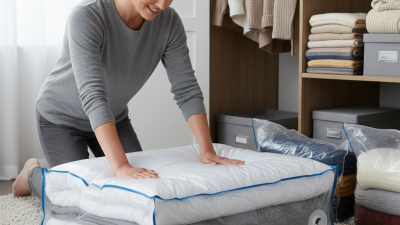
Traveling can be hectic, and finding efficient ways to pack is essential. Cloth compression bags offer an innovative solution for travelers. They help maximize space in your luggage while keeping clothes organized. These bags can compress items significantly, allowing you to pack more without sacrificing essential belongings.
When using cloth compression bags, it’s important to choose the right size and material. Some bags may not hold up under pressure or may wear out quickly. It’s advisable to look for durable options that can withstand multiple trips. Additionally, consider how much you really need to compress your items. Over-compressing can lead to wrinkles, which can be frustrating upon arrival at your destination.
Travelers should reflect on how often they use these bags. They can be a great asset, but not every trip requires them. Experimenting with different packing methods can lead to better packing strategies. Finding the right balance between space-saving and practicality is crucial. Investing time in this process can enhance your travel experience.
Key Features to Look for in Cloth Compression Bags
When choosing cloth compression bags, certain features stand out for global buyers. The fabric quality is essential. Opt for durable, tear-resistant materials. This ensures the bags can withstand regular use. Look for breathable fabrics, too. They help prevent moisture buildup and keep contents fresh.
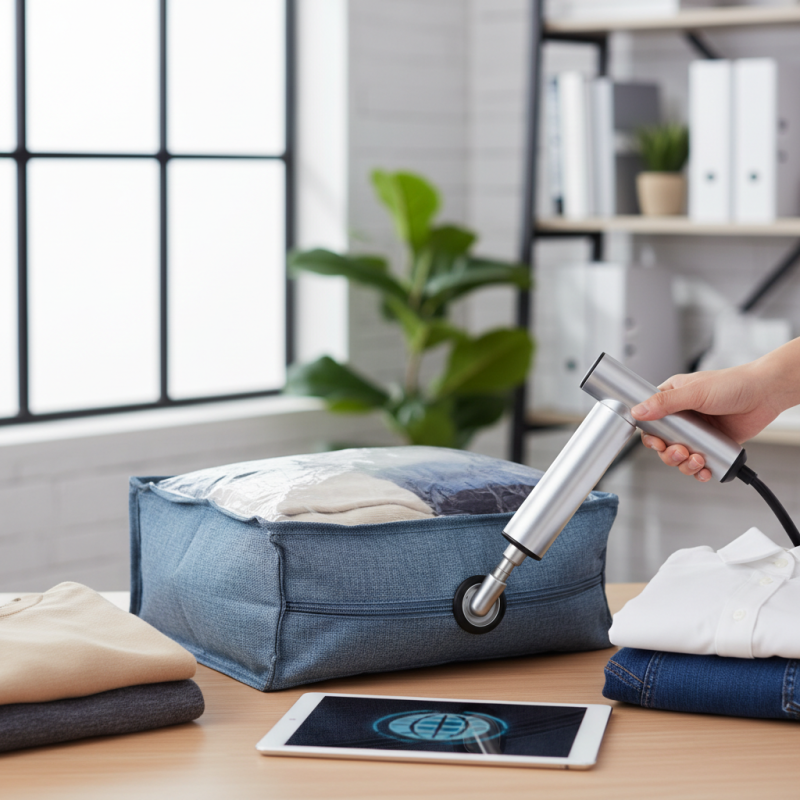
Another crucial aspect is the design of the compression mechanism. A reliable zipper and secure seals are vital. They keep items compact and prevent air from seeping back in. Some bags come with additional features like carrying handles. These can make transport easier, especially for travel purposes.
Size variations are worth considering. Different sizes suit different needs. Evaluate the volume you'll need to compress. Compact bags for small items are handy, while larger ones accommodate bulkier goods. It's easy to overlook details like these, but they significantly impact the overall experience.
2026 Top Cloth Compression Bag Insights for Global Buyers
| Feature |
Description |
Benefits |
Average Price (USD) |
| Material Quality |
Durable and tear-resistant fabrics |
Long-lasting usage and protection for items |
$15.00 |
| Capacity |
Variety of sizes ranging from small to large |
Accommodates different packing needs |
$18.50 |
| Compression Mechanism |
Easy-to-use zip-lock and air-releasing valve |
Reduces volume and maximizes space |
$20.00 |
| Weight |
Lightweight design |
Easy to carry and handle |
$12.00 |
| Water Resistance |
Built-in waterproof lining |
Protects contents from moisture |
$22.00 |
Market Trends and Innovations in Compression Bag Design
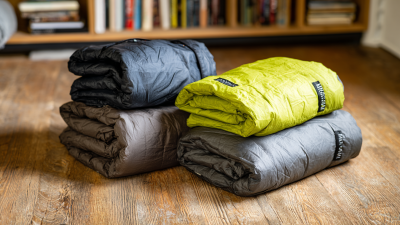
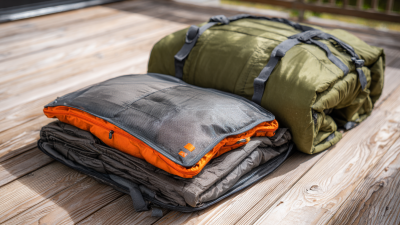
The design of compression bags has evolved significantly in recent years. Manufacturers are now focusing on user-friendly features. Enhanced durability is a key trend. Bags are made from stronger, yet lightweight materials. This ensures they can withstand pressure without tearing. Colorful designs are becoming popular too. They appeal to a younger audience seeking style along with function.
Innovative features are leading the way. Some bags now come with self-sealing technology. This innovation makes packing easier and more efficient. Others have unique shapes that maximize storage space. As a result, consumers are forced to rethink their packing strategies.
There is a balance between utility and aesthetic appeal in these products.
However, not all developments are flawless. Some users report difficulties with pump mechanisms. Feedback suggests that simplicity often trumps complexity. The challenge remains in integrating technology without overcomplicating the user experience. As the market evolves, these reflections will shape future designs.
Tips for Choosing the Right Compression Bag for Your Needs
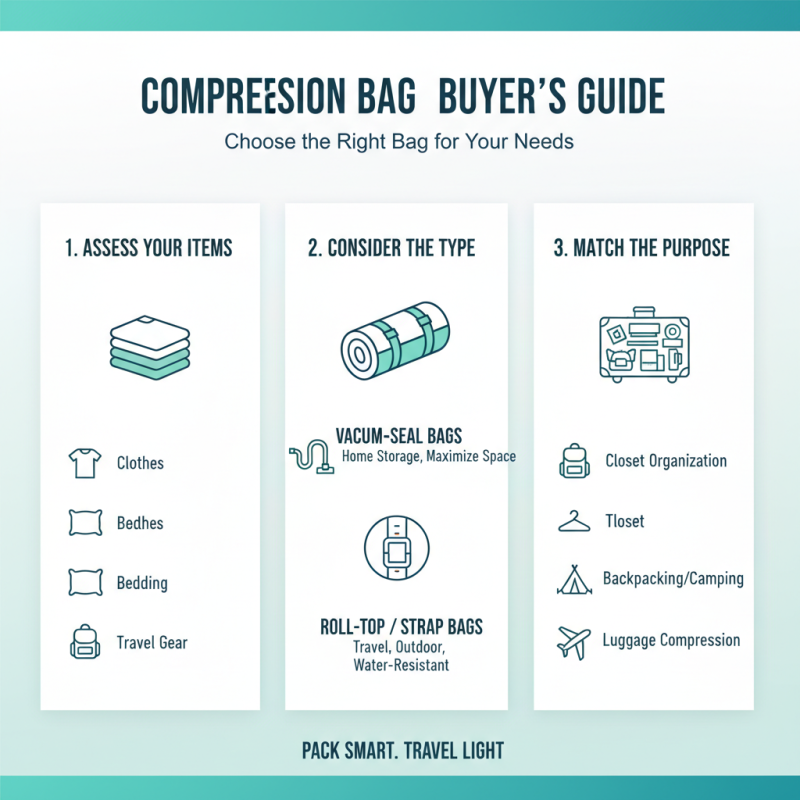
Choosing the right compression bag can be overwhelming, given the variety available. Start by assessing your specific needs. Think about the type of items you'll store. Are they clothes, bedding, or travel gear? Different bags cater to different purposes.
Consider the size of the bag. A larger bag might seem appealing but could be unwieldy. Too small, and you might struggle to fit your items. It's a balance. Look for bags that feature strong zippers and durable material. These features enhance longevity.
When exploring options, check for user reviews. They provide insights into quality and performance. Pay attention to difficulties mentioned by users. A common complaint might indicate an underlying issue. Testing different bags can help you understand what works best for you. Your preferences may evolve, so remain flexible in your choice.