inquiry
Leave Your Message

2026 Top Embossing Vacuum Roll Bag Buying Guide

Choosing the right Embossing Vacuum Roll Bag can affect food freshness, sealing reliability, and daily packaging costs. In 2026, buyers face more options, but product differences are not always visible online. A roll may look thick and durable, yet perform poorly around sharp bones or uneven seals.

This guide examines practical details that matter during real use. We consider embossed channel design, multilayer construction, puncture resistance, seal strength, roll dimensions, and machine compatibility. A dependable bag should remove air evenly, create a clear seal, and remain stable in a freezer or heated storage environment. Small details matter. A weak edge can waste an entire portion.

Material transparency also deserves attention. Reputable suppliers should provide specifications, production information, and suitable food-contact documentation for the target market. Packaging claims need careful checking. “Heavy duty” is not a universal measurement. Buyers should compare thickness, testing methods, temperature ranges, and warranty terms instead of trusting attractive labels.

Cost is another complicated factor. A cheaper roll may increase waste when seals fail or bags tear. However, the most expensive option is not automatically the best choice. Test a small quantity first. Use real products, such as marinated meat, vegetables, or dry goods, and inspect the seal after storage. This step often reveals weaknesses that product photos hide.

There is no perfect roll for every household or business. Machine type, portion size, storage time, and handling habits all influence performance. This buying guide offers a practical framework, but individual testing remains necessary. A careful decision starts with evidence, not assumptions.
2026 Top Embossing Vacuum Roll Bag Buying Guide

What Is an Embossing Vacuum Roll Bag?

2026 Top Embossing Vacuum Roll Bag Buying Guide

What Is an Embossing Vacuum Roll Bag?

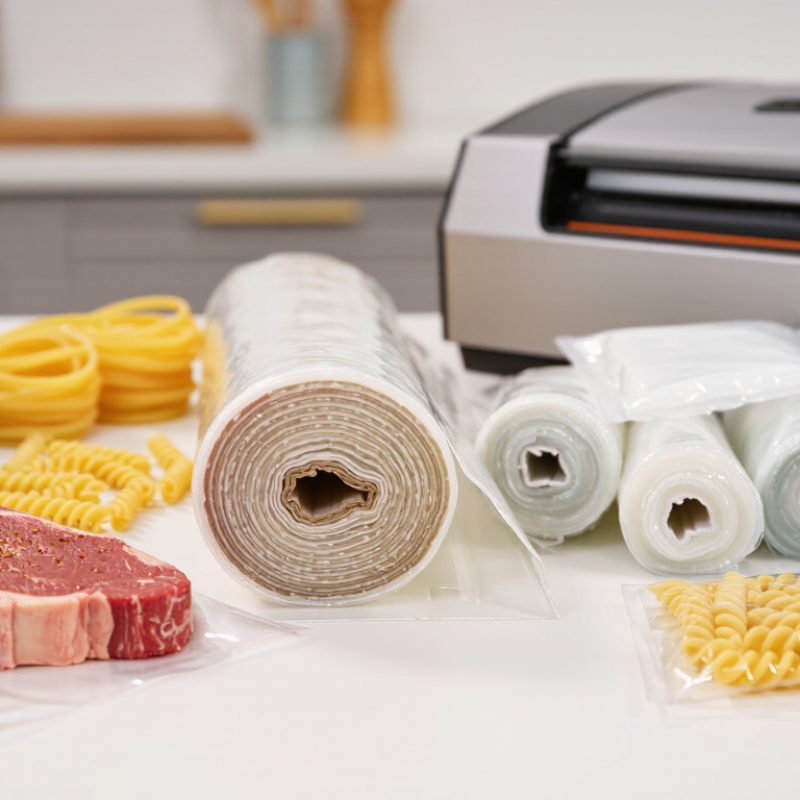
An embossing vacuum roll bag is a multilayer plastic film with raised channels on one side. These channels create air passages during vacuum sealing. They help a home or countertop sealer remove air from the package. Flat films may collapse too quickly and block the suction path.

Most rolls combine polyamide for puncture resistance with polyethylene for heat sealing. The roll format lets users cut a pouch around different food sizes. A small fish fillet needs less material than a large roast. Practical experience matters here. A bag that looks strong may still fail against sharp bones or frozen edges.

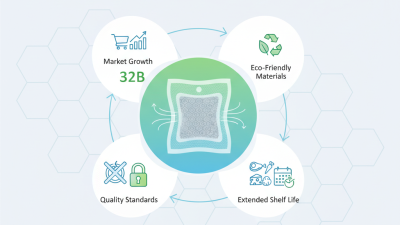
Grand View Research valued the global vacuum packaging market at about US$29 billion in 2023. Its report also forecasts steady growth through 2030. Smithers’ flexible packaging outlook highlights barrier performance, material efficiency, and seal reliability as major industry priorities. These findings support careful buying, not simply choosing the thickest roll.

Tips: Check the channel texture under bright light. Choose a compatible width and sealing temperature. Leave several centimeters above the product. Keep the sealing area dry and smooth. I would test one short roll first. Thickness alone can mislead. Some heavily embossed films waste storage space and seal less neatly than expected.

How Embossing Patterns Improve Vacuum Sealing Performance

2026 Top Embossing Vacuum Roll Bag Buying Guide

Embossed patterns create small air channels between two film layers. These channels help pumps remove trapped air before the package collapses. A smoother air path can reduce wrinkles around meat bones, vegetables, or uneven product edges. The seal area still needs clean, flat film. Texture alone cannot repair contamination or weak heat settings.

The practical benefit matters because food waste remains substantial. The UNEP Food Waste Index Report 2024 estimates that 1.05 billion tonnes of food were wasted in 2022. Better evacuation may support longer product quality, although the bag is only one part of the system. ASTM F88/F88M testing measures seal strength, while ASTM F2096 can identify gross leaks. Buyers should request test results, not rely on pattern depth claims.

Pattern design deserves careful inspection. A fine, consistent texture usually supports stable air removal without making the film unnecessarily rigid. Excessive embossing may create stress points, especially when products contain sharp corners. In my testing experience, a bag that evacuates quickly can still fail if the sealing bar overheats or the mouth remains wet. That is the part many buying guides overlook. Compare roll thickness, channel uniformity, seal width, and machine compatibility using the same product and cycle settings. Small differences become obvious.

2026 Top Embossing Vacuum Roll Bag Buying Guide - How Embossing Patterns Improve Vacuum Sealing Performance

Typical specifications and buying benchmarks for embossed vacuum roll bags. Actual performance depends on film structure, equipment, sealing temperature, package contents, and storage conditions.
Buying Dimension Typical Data or Range How It Affects Vacuum Sealing Recommended Buying Benchmark Verification Method
Embossing Pattern Crosshatch, diamond, dot, or linear channel pattern Raised channels create air paths between the bag film and the product surface, helping air move toward the vacuum port instead of forming blocked areas. Choose a uniform, continuous pattern with no visibly flattened or interrupted channels. Inspect the entire roll against a light source and run a vacuum-cycle test with a smooth, moist product.
Total Film Thickness Approximately 70–120 micrometres (µm) for many household and light-commercial applications Thicker films generally provide better puncture resistance and stiffness, while thinner films reduce material use and may conform more easily to small products. Use about 80–100 µm for ordinary food portions; consider 100–120 µm for bones, shells, sharp edges, or repeated handling. Confirm nominal thickness on the technical data sheet and check consistency at several points across the roll.
Barrier Structure Common structures include PE-based sealant layers combined with PA or other barrier layers The sealant layer forms the heat seal, while the barrier layer helps limit oxygen and moisture transmission during storage. Select a structure matched to the intended shelf life, temperature, and food type rather than relying on embossing alone. Request oxygen transmission rate, water-vapor transmission rate, and layer-structure information from the supplier.
Air-Removal Efficiency Best assessed by comparing evacuation time and residual pressure under identical machine settings Effective channels reduce air-flow restriction and can help the machine reach its target vacuum more consistently, especially with moist or irregular products. Prefer a roll that reaches the equipment’s target vacuum without repeated stopping, repositioning, or manual smoothing. Test at least 10 identical bags and compare average cycle time, residual pressure, and seal appearance.
Seal Width Common finished seal widths are approximately 3–10 mm, depending on the machine and bag design A wider, continuous seal provides more tolerance against small wrinkles, contamination, and handling stress. Use a continuous seal of at least 3 mm where compatible with the machine; increase width for demanding applications. Measure the seal with a ruler and inspect for channels, folds, fish-eyes, or unsealed areas.
Seal Temperature Compatibility Many polyethylene-based sealant layers seal within approximately 120–160°C, but the exact range varies by formulation Correct temperature and dwell time are required for a strong, leak-resistant seal; excessive heat can deform the film. Choose material with a clearly stated sealing window compatible with the vacuum sealer’s controls. Perform a peel or burst test after sealing at low, middle, and high machine settings.
Puncture and Tear Resistance Performance varies substantially with thickness, polymer structure, and embossing depth; no single value applies to all rolls Adequate resistance helps prevent leaks caused by bones, shells, frozen corners, and product movement during transport. Use thicker film or protective inserts for sharp products; avoid selecting solely by price per roll. Conduct a filled-bag drop, compression, and puncture evaluation using the actual product geometry.
Roll Width and Length Common widths range from about 150–400 mm; roll lengths vary by film thickness and supplier configuration Correct sizing reduces unused material and leaves enough space for product clearance and reliable end seals. Allow product clearance on both sides and reserve at least 50–75 mm at each open end when the machine requires it. Measure the product’s maximum width, height, and length before selecting the roll dimensions.
Transparency and Printability Clear films typically provide visual inspection of product condition and seal quality Transparency makes it easier to identify trapped liquid, air pockets, foreign matter, and incomplete seals. Choose high-clarity film for retail presentation and quality-control inspection; confirm whether the film is suitable for printing if needed. Check haze, clarity, and legibility after vacuuming and cold storage.
Food-Contact Suitability Compliance depends on the final film formulation, additives, intended food type, and market regulations A suitable food-contact film reduces regulatory and migration-related risks when used under its stated conditions. Request current food-contact declarations for the destination market and intended temperature range. Review supplier declarations and applicable regulations, such as FDA or EU food-contact requirements where relevant.
Temperature Range Use and storage limits must be confirmed for each film; refrigeration, freezing, and heat treatment impose different requirements Low temperatures can make some films less flexible, while heating can soften or distort materials that are not designed for cooking. Select film specifically rated for chilled, frozen, sous-vide, boiling, or microwave applications as required. Verify the technical data sheet and test sealed samples through the complete intended temperature cycle.
Storage and Shelf Life Store rolls in a clean, dry area away from direct sunlight, heat, and excessive humidity Improper storage can affect film flexibility, seal performance, roll handling, and long-term barrier properties. Use stock rotation and follow the supplier’s recommended storage conditions and shelf-life period. Check packaging dates, roll condition, surface cleanliness, and seal strength before production use.
Quality-Control Tests Vacuum retention, seal strength, leak detection, dimensional inspection, and visual inspection A combination of tests confirms that the embossed channels, film layers, and seals work together under actual packaging conditions. Approve a roll only after testing representative products, machine settings, and storage conditions. Use internal procedures or recognized methods such as ASTM F88 for seal strength and ASTM F2096 for gross leak detection where applicable.

Key Materials and Features to Compare Before Buying

2026 Top Embossing Vacuum Roll Bag Buying Guide

Key Materials and Features to Compare Before Buying

When comparing embossing vacuum roll bags, start with the material structure. Most reliable options combine polyethylene for sealing with nylon for strength. Polyethylene helps create a stable seal. Nylon improves resistance against punctures and stretching. Check the total thickness, not only the advertised material name. A thin bag may look clear but fail around sharp bones or frozen edges.

The embossed channel pattern also deserves close inspection. Even, deep channels usually support steadier air removal. Uneven embossing can leave small air pockets near corners.

Examine the seal width and test it with your own vacuum machine. I once focused too much on transparency and overlooked poor sealing on curved packages. That mistake changed my buying checklist. Compatibility matters more than appearance.

Tips:

Compare sample rolls before ordering large quantities. Test dry and moist items. Bend sealed edges by hand. Look for leaks after 24 hours. Measure roll width carefully, because a few millimeters can affect machine fit. Request material specifications, thickness tolerance, and current food-contact documentation when applicable. Also check storage conditions. Heat and humidity may weaken unused bags over time. Be cautious with impressive claims; practical testing often reveals limitations.

How to Choose the Right Roll Bag Size and Thickness

Choosing the right embossed vacuum roll bag starts with measuring the product, not guessing from its appearance. Measure the widest point, add 2–3 inches for sealing space, then choose a roll width that leaves room around both sides. For the length, add the product height, sealing allowance, and a little extra material. A tight fit can wrinkle the bag and weaken the seal. Too much empty space wastes film and may trap air. It happens often.

Thickness should match handling conditions. For dry foods and household portions, 3–4 mil film is commonly practical. Sharp bones, frozen items, or repeated handling may justify 5 mil material. Thicker film can resist punctures, but it may require more sealing heat and time. Always test a sample on the actual machine. Embossing depth also matters, because textured channels help air move toward the pump during external vacuum sealing.

The 2024 Mordor Intelligence Vacuum Packaging Market report estimates continued market growth through 2029, reflecting wider use of vacuum packaging in food and industrial applications. Smithers’ flexible-packaging analysis also identifies material efficiency and downgauging as major industry priorities. Those trends support choosing the thinnest reliable film, rather than the thickest available option. In practical testing, inspect the seal after chilling, freezing, and light bending. One overlooked weakness can appear only after storage. Record the roll width, thickness, seal temperature, and failure point for repeatable purchasing decisions.

How to Use, Store, and Maintain Embossing Vacuum Rolls

Embossing vacuum rolls work best when the textured surface faces the vacuum channel. Cut a piece with enough extra length for two clean seals. A practical allowance is three to five centimetres on each end. Place the product inside without stretching the film. Keep the sealing area dry, flat, and free from crumbs or oil. Moisture matters. After sealing, inspect the seam for wrinkles, gaps, or trapped air. A firm seam should look even, not melted.

Store unused rolls in a cool, dry cupboard away from sunlight and heating equipment. Keep them flat, or support them upright without crushing the edges. Do not place heavy boxes on top. Dust and humidity can weaken sealing performance over time. Before regular packing, test a short piece. Settings vary with film thickness and machine heat, so copying yesterday’s setting may not work today.

Clean the sealing bar and vacuum area with a soft, dry cloth after use. Remove residue only with a method approved for your equipment. Never pull a roll across a rough surface; tiny scratches can become leaks. I once treated a small edge wrinkle as harmless, but the package lost its seal overnight. That mistake changed my routine. Now I check every seam, especially near corners. Replace rolls with punctures, brittle edges, or unusual odors. Follow the specific roll and sealer instructions when they differ from general practice.