Top Benefits of Using Aluminum Foil Bags for Packaging Solutions?
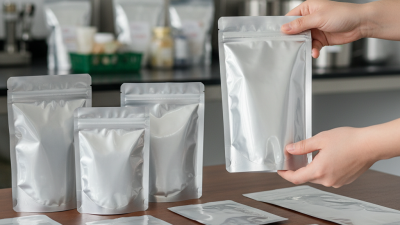
Aluminum foil bags have become a popular choice in packaging solutions. Their unique properties provide numerous benefits for various industries. These bags are not just protective; they enhance product shelf life and maintain freshness.
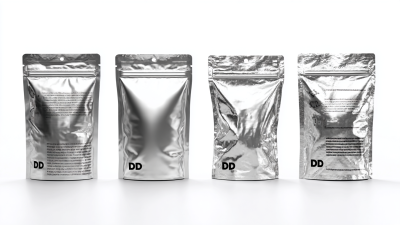
The durability of an aluminum foil bag resists moisture, light, and oxygen. This capability ensures products stay safe from external factors. Companies also appreciate the customizable options available. Brands can print their logos and designs directly on the packaging. This adds a professional touch and boosts marketing efforts.
Despite the advantages, not all aluminum foil bags are created equal. Some may not meet specific regulatory standards. It is crucial to choose high-quality suppliers to guarantee safety. Overall, the utility and versatility of aluminum foil bags contribute greatly to effective packaging strategies. Exploring these benefits can lead to better business decisions and product success.
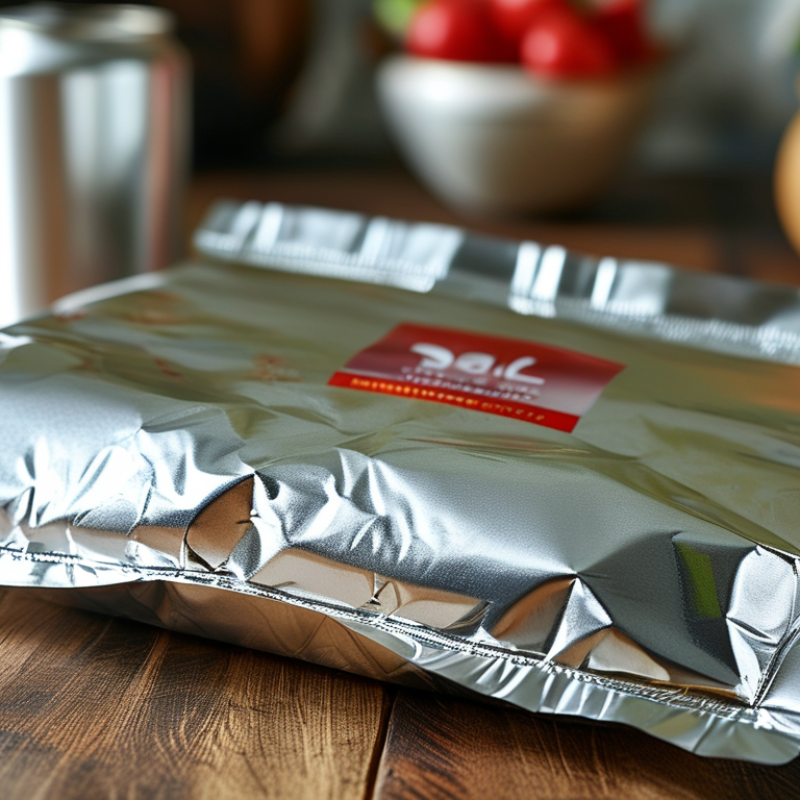
Advantages of Aluminum Foil Bags in Product Preservation and Shelf Life
Aluminum foil bags are revolutionizing product preservation. Their structure provides a barrier against light, moisture, and oxygen. This unique feature helps extend the shelf life of various products. Food items, for instance, remain fresh and flavorful for longer periods. The reflective nature of aluminum also deters heat transfer, preserving temperature-sensitive contents effectively.
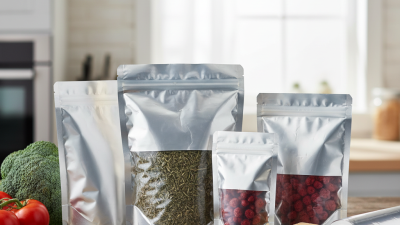
These bags are versatile. They are used in both food and non-food items, such as pharmaceuticals and chemicals. Their flexibility allows for effective packaging shapes, catering to different product dimensions. Researchers highlight the role of these bags in maintaining product integrity. Improper storage often leads to spoilage. Inadequate packaging can negate all efforts to preserve freshness.
However, not all aluminum foil bags are created equal. Quality matters significantly. Inferior materials may compromise effectiveness. Consumers should ensure they purchase bags with reliable seals and thickness. Even a minor flaw can lead to oxidation and spoilage. Notably, while these bags are effective, environmental concerns about aluminum production and waste remain. Balancing sustainability with packaging needs is an ongoing challenge.
Cost-Effectiveness of Aluminum Foil Bags Compared to Other Packaging Options
Aluminum foil bags are becoming increasingly popular in the packaging industry. Their cost-effectiveness is a significant reason for their rise. Compared to traditional packaging, aluminum foil bags offer superior protection against moisture, light, and oxygen. This ensures products maintain their freshness longer. Manufacturers save on costs as these bags require less material without compromising quality.
When evaluating cost-effectiveness, aluminum foil bags also reduce waste. Their durability means fewer replacements over time. Companies benefit from lower shipping costs as they can be stacked efficiently. However, the initial investment may concern some businesses. It’s essential to analyze long-term benefits versus upfront costs.
Another consideration is environmental impact. While aluminum foil can be recycled, not all consumers practice recycling properly. This reality raises questions. Are we truly investing wisely? The trade-offs require thoughtful reflection in today’s packaging choices. Each detail contributes to a broader understanding of sustainability in packaging solutions.
Top Benefits of Using Aluminum Foil Bags for Packaging Solutions
Impact of Aluminum Foil Bags on Reducing Food Waste in Distribution
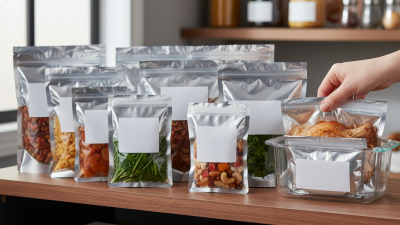
Aluminum foil bags have emerged as a crucial component in food distribution. They offer excellent barrier properties, preventing moisture, light, and oxygen from degrading food quality. This protection is vital during transport, significantly reducing spoilage rates. When food remains fresh longer, it can reach consumers in optimal condition. This efficiency directly correlates with decreased food waste.
Moreover, the environmental footprint of using aluminum foil bags warrants attention. Their lightweight nature reduces transportation energy. However, the reliance on single-use products raises concerns. While these bags extend food shelf life, they can contribute to plastic pollution if not disposed of properly. Consumers and businesses must balance durability with sustainability. Recycling programs for foil bags are essential yet not widespread.
The impact of aluminum foil bags on food waste is profound. By maintaining freshness, they prevent the early disposal of food products. Still, the challenge lies in effective recycling. Ensuring that consumers are informed can optimize sustainability. This approach can yield better results, ensuring food waste reduction without compromising environmental integrity.
Top Benefits of Using Aluminum Foil Bags for Packaging Solutions
| Benefit |
Description |
Impact on Food Waste |
| Moisture Protection |
Aluminum foil bags provide an excellent barrier against moisture, keeping food products dry. |
Reduces spoilage, thereby lowering food waste during distribution. |
| Light Protection |
They block light exposure, which can degrade food quality. |
Preserves nutritional value, leading to less food discarded. |
| Customization Options |
Available in various sizes and designs to meet packaging needs. |
Encourages efficient usage and reduces material waste. |
| Cost-Effectiveness |
Lower packaging costs due to lightweight and effective material. |
Fewer resources spent on packaging reduces overall waste. |
| Recyclability |
Aluminum is highly recyclable, encouraging sustainable practices. |
Promotes recycling efforts that help reduce landfill waste. |
Sustainability and Recyclability of Aluminum Foil Packaging Solutions
Aluminum foil packaging is gaining attention for its sustainability and recyclability. The industry recognizes rising environmental consciousness among consumers. According to a 2021 report from the Aluminum Association, aluminum is infinitely recyclable without quality loss. This makes aluminum foil bags a significant choice for eco-friendly packaging solutions.
Recycling rates for aluminum are impressive. The same report indicates that about 75% of all aluminum ever produced is still in use. Using aluminum foil bags can lower a company's carbon footprint. Studies show that producing recycled aluminum uses 95% less energy than new aluminum. This energy savings directly contributes to reduced greenhouse gas emissions.
Still, challenges remain. Not every recycling facility accepts aluminum foil bags. This inconsistency can create confusion for consumers. Additionally, contaminants like food residues can hinder recycling efforts. Awareness of proper recycling methods is essential to maximize the benefits of aluminum foil packaging. Companies must educate consumers to ensure the successful recyclability of their packaging.
Barrier Properties of Aluminum Foil Bags in Protecting Against Contaminants
Aluminum foil bags are increasingly popular for packaging due to their excellent barrier properties. These bags protect contents from moisture, light, and air, all critical factors that can lead to spoilage. The multilayer structure of aluminum foil effectively blocks harmful contaminants, ensuring product integrity.
In many industries, maintaining the freshness and safety of a product is non-negotiable. The barrier properties of aluminum foil bags play a crucial role here. They seal in flavors and aromas while keeping out toxins and pests. The reflective surface also acts as a shield against UV light, which can degrade sensitive items.
However, the production and use of aluminum foil bags present challenges. Not all packaging solutions are environmentally friendly. Recycling options can be limited, causing concerns. Companies must balance protection and sustainability. Finding the right materials that ensure safety while minimizing environmental impact remains a pressing issue. While aluminum foil bags offer superior protection, ongoing dialogue about their environmental footprint is essential.