Top 10 Benefits of Using Printed Composite Bags for Packaging?
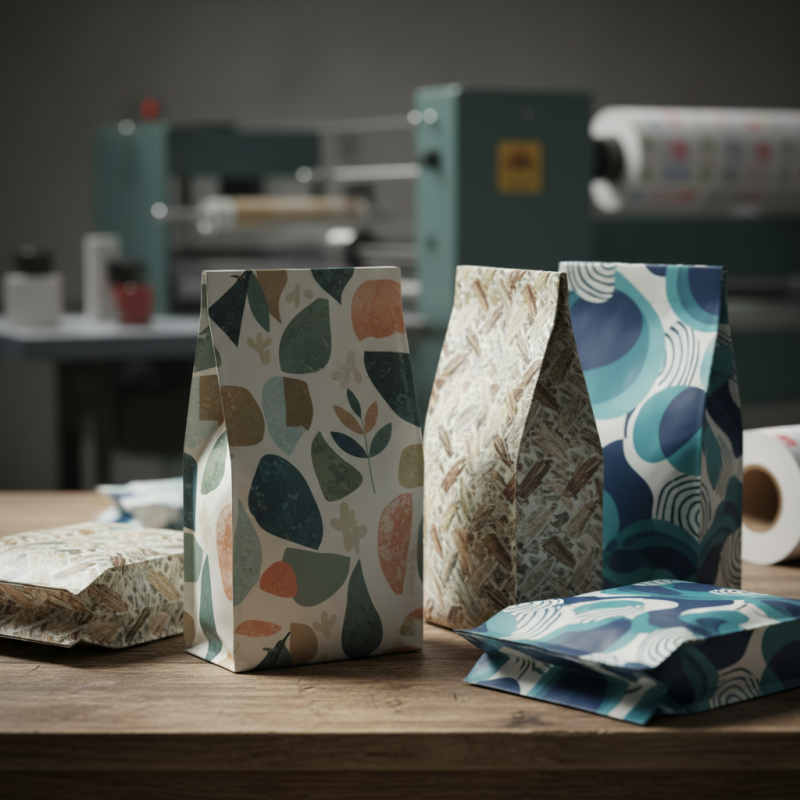
In today's fast-paced packaging industry, Printed Composite Bags are gaining immense popularity. These bags offer a blend of durability, versatility, and visual appeal. Renowned packaging expert, Lisa Thompson, emphasizes their importance: "Printed Composite Bags transform the way brands communicate their values."
Not only do these bags protect products effectively, but they also serve as a canvas for brand storytelling. The vibrant prints and sturdy materials create lasting impressions. However, it's crucial to consider the environmental impact of these materials. While Printed Composite Bags showcase innovative designs, we must ask if they're sustainable in the long run.
Brands are increasingly leveraging Printed Composite Bags for their marketing strategies. Yet, the choice of materials and printing techniques requires careful thought. Striking a balance between functionality and eco-friendliness is essential. With the right approach, these bags can be both attractive and responsible.
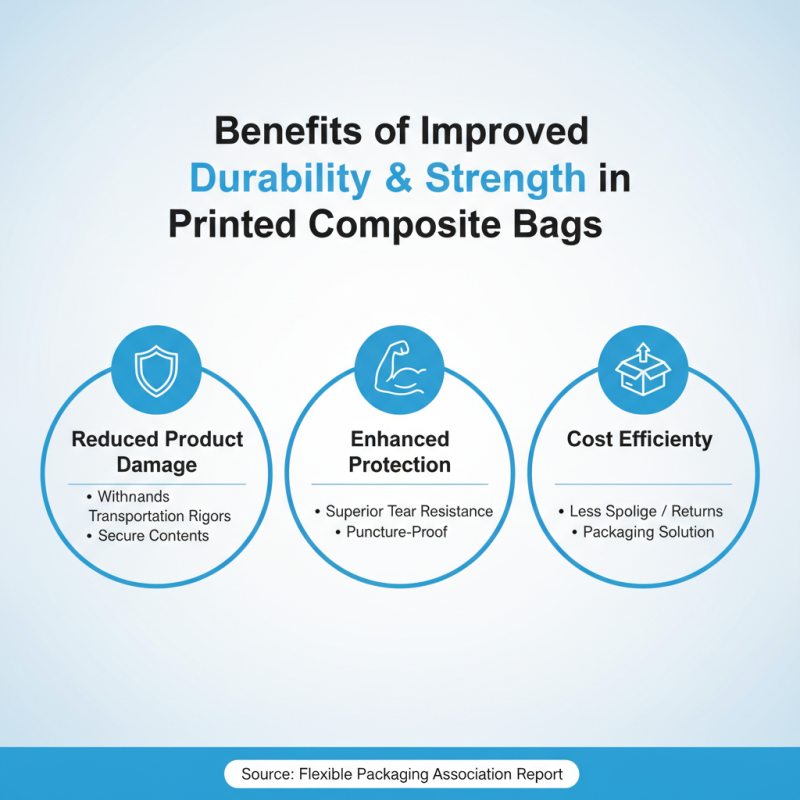
Benefits of Improved Durability and Strength in Printed Composite Bags
Printed composite bags are becoming a popular choice for packaging due to their enhanced durability and strength. This is crucial for businesses that require reliable solutions. A report from the Flexible Packaging Association notes that composite bags can withstand the rigors of transportation better than traditional materials. This reduces the risk of product damage significantly. Enhanced tear resistance and puncture strength ensure that the contents remain secure.
Many industries, particularly food and agriculture, rely on composite bags for their sturdy nature. A study from Smithers Pira indicates that composite bags reduce breakage rates by up to 30%. Packaging failures can lead to substantial losses, impacting both finances and reputation. The ability of these bags to maintain integrity under stress reflects positively on the brand. However, the reliance on synthetic materials needs careful consideration.
Sustainability is a growing concern. While composite bags offer strength, their environmental impact is not negligible. The balance between durability and sustainability requires reflection. Are businesses fully considering the lifecycle of their packaging? Innovative solutions may combine strength with eco-friendliness. Thus, the conversation around printed composite bags must evolve.
Cost-Effectiveness Compared to Traditional Packaging Solutions
Printed composite bags are increasingly favored for strategic packaging solutions. Their cost-effectiveness stands out compared to traditional options. These bags are often lighter yet equally durable, leading to reduced shipping costs. Companies can save significantly on material expenses without compromising quality.
Flexibility in design is another advantage. Custom printing allows brands to communicate effectively. This feature enhances brand visibility and consumer engagement. However, there can be a learning curve for businesses new to this packaging format. Understanding the material limitations is essential. Poor design choices may lead to quick wear and tear.
Moreover, cleaning up after improper use can be daunting. Some businesses might underestimate the importance of suitable storage. Ensuring that composite bags are stored in controlled environments helps them last longer. Careful planning and awareness are crucial for maximizing potential savings. Identifying the right supplier also matters greatly. An ill-informed choice can lead to inefficiencies. Balancing cost and quality remains a thought-provoking challenge for many.
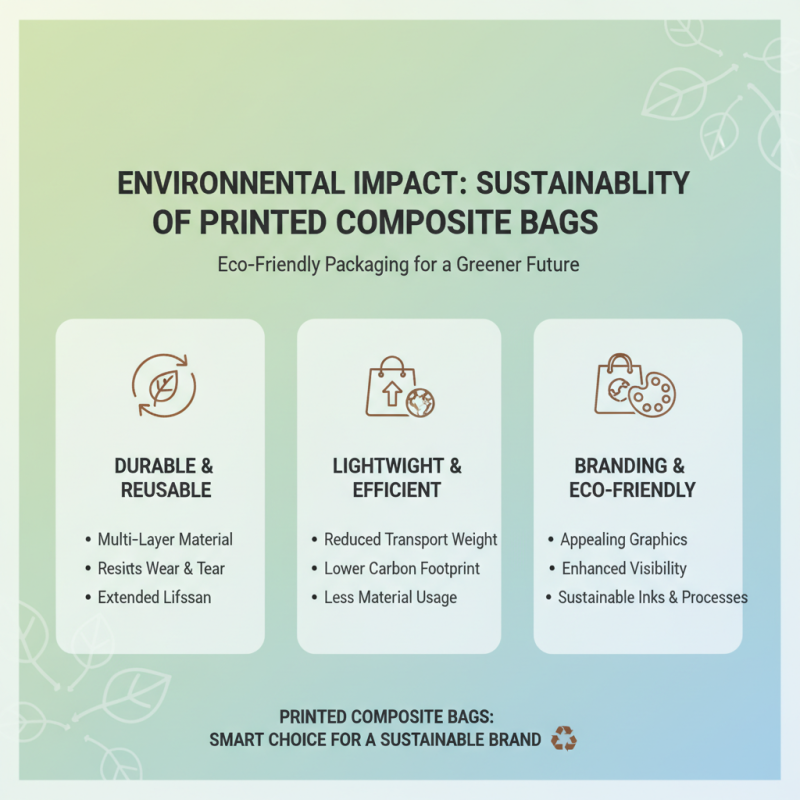
Environmental Impact: Sustainability of Printed Composite Bags
Printed composite bags are gaining popularity for their sustainable properties. Made from multilayer materials, they offer durability while also being lightweight. These bags can be designed with appealing graphics, enhancing brand visibility while remaining eco-friendly.
One major environmental benefit is their recyclability. When disposed of properly, these bags can be reprocessed into new materials. However, the recycling systems are still developing in many areas. There can be confusion about how to recycle composite materials effectively. Every consumer plays a role in this process.
Additionally, the production of printed composite bags often uses less energy than traditional packaging methods. This can lead to a smaller carbon footprint. Yet, the challenge remains in ensuring that all manufacturers follow sustainable practices. As the demand for greener solutions grows, so must the push for responsible sourcing and production. The journey towards sustainability is ongoing, and improvements are always needed.
Versatility in Applications Across Various Industries and Products
Printed composite bags are gaining popularity for their versatility in various industries. These bags can be used for packaging everything from food products to industrial materials. Their ability to customize size, shape, and print makes them adaptable to different needs. Imagine fresh produce packed securely while retaining its freshness. Composite bags can handle that.
In the construction industry, composite bags support heavy materials. They can withstand rough handling and harsh environments. Yet, there is a consideration. Over time, the environmental impact of these bags needs attention. Are users recycling them properly? Awareness is critical. Various industries can benefit from these bags, but sustainability must merge with utility.
Moreover, composite bags offer multiple barrier properties. They keep contents safe from moisture, light, and even odors. This makes them perfect for cosmetic products too. However, companies need to ensure they select the right materials. Choosing the wrong type can lead to compromised product quality. Despite their many advantages, the responsibility to innovate responsibly remains.
Top 10 Benefits of Using Printed Composite Bags for Packaging
| Benefit |
Description |
Industry Applications |
| Lightweight |
Reduces shipping costs and allows for easier handling. |
E-commerce, Retail |
| Durability |
High resistance to tearing and puncturing. |
Food Packaging, Industrial Supplies |
| Customizable |
Can be printed with various colors and designs. |
Consumer Goods, Marketing |
| Eco-Friendly Options |
Available in biodegradable and recyclable materials. |
Retail, Grocery |
| Cost-Effective |
Lower production costs compared to traditional packaging. |
Wholesale, Distribution |
| Versatility |
Suitable for various types of products and industries. |
Agriculture, Pharmaceuticals |
| Water Resistance |
Protects contents from moisture and spills. |
Food Service, Chemicals |
| Brand Visibility |
Enhances brand recognition through effective designs. |
Retail, Events |
| Security |
Tamper-evident options ensure product integrity. |
Pharmaceuticals, Electronics |
| Easy Storage |
Can be stacked and stored efficiently. |
Logistics, Warehousing |
Enhanced Brand Visibility Through Customizable Printed Designs
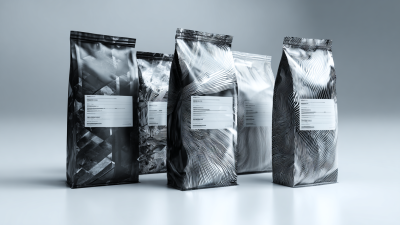
Customizable printed designs on composite bags can significantly boost brand visibility. Research shows that up to 85% of consumers remember brands showcased through unique packaging. When brands invest in visually striking designs, they not only attract attention but also enhance customer engagement.
Printed composite bags allow businesses to create tailored designs that reflect their values. Bright colors and innovative patterns can create a lasting impression. According to a recent industry report, nearly 70% of consumers are willing to switch brands based on packaging appeal alone. However, creating effective designs is often challenging. It’s crucial to balance creativity with clarity, ensuring that essential information remains prominent.
Moreover, the sustainability angle cannot be overlooked. Composite bags are often seen as eco-friendly options compared to alternatives. However, poor design choices can harm their perceived value. Companies need to be mindful of their messaging. A strong, clear brand story is key. Simplistic designs might overlook vital aspects of brand identity. Constant feedback and adjustment may be necessary to refine visual impact.