inquiry
Leave Your Message

7 Best Blanket Compression Bags for Storage and Shipping

Blankets are soft, but they take up stubborn amounts of space in closets, moving boxes, and delivery cartons. A queen-size comforter can fill a storage bin before you add sheets or pillows. A Blanket Compression Bag can reduce that bulk by letting you remove excess air and make the bundle easier to handle. That matters. Compression does not make a package lighter, and it cannot protect fabric from every puncture or wet surface.

The right choice depends on how you plan to use it. For closet storage, look for a reliable seal, a valve that fits your vacuum, and dimensions that suit your bedding. For shipping, pay closer attention to material thickness and closure quality, then place the compressed bag inside a sturdy outer carton. A bag that works well under a bed may not be the best option for repeated handling in transit. Not magic. Seams and seals still deserve a careful check.

This guide compares seven blanket compression bags for storage and shipping, with practical differences in size, closure, and everyday usability. Product details can change, so confirm measurements and care instructions before buying. I’d be cautious about calling any bag “shipping-proof”; that phrase promises too much. The better question is whether a bag suits your blanket, your storage space, and the trip ahead.

7 Best Blanket Compression Bags for Storage and Shipping

What Blanket Compression Bags Are and How They Work

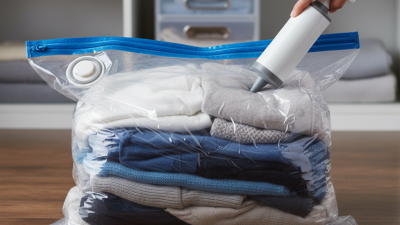
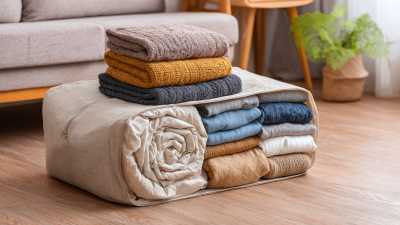
Blanket compression bags are flexible, sealable pouches that reduce the space bulky bedding takes up. They work by removing air trapped between the blanket’s fibers, rather than making the blanket itself smaller. Air leaves. Volume drops. Some bags use a one-way valve and a household vacuum; others let you press or roll the air out by hand.

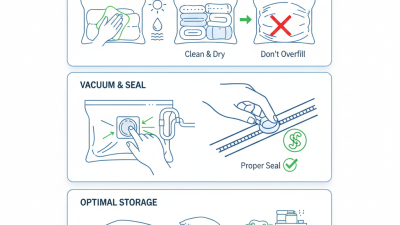
With a valve-style bag, fold the blanket evenly, place it inside, and close the zipper seal fully. Attach a vacuum to the valve and remove air until the bundle feels firm. For a roll-up design, start at the sealed end and push air toward the opening. Not magic. Thick quilts may still take up space, and sharp zipper pulls or uneven folds can strain the pouch.

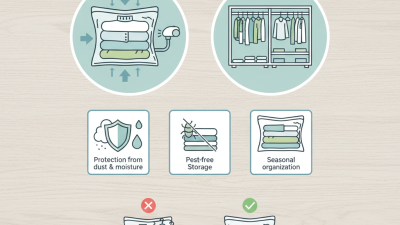
A compressed blanket is easier to stack in a closet or fit into a shipping carton, but compression does not reduce its weight. Check the bag’s dimensions and seal before packing, and keep the blanket clean and completely dry. Moisture trapped inside can cause odor or damage during storage. Some bags also lose their seal over time, so test one before relying on it for a long trip. Once opened, the blanket may need several hours to regain its loft; dense fillings can take longer.

Key Features to Compare Before Choosing a Compression Bag

A blanket compression bag should fit the folded blanket without forcing it into the seams. Compare the bag’s usable dimensions, not just its advertised capacity. A queen-size comforter may compress neatly, while a thick wool blanket can remain bulky. Measure it folded. Leave a little room.

Material thickness matters. A sturdy, flexible film is less likely to split during handling, but very stiff plastic can be awkward to pack. Check the zipper or slider for a consistent seal, and look for a valve that closes securely after air removal. Small leaks can undo the compression. Not instantly, perhaps, but over time.

For storage, consider whether the bag can be opened and reused without weakening its closure. For shipping, compression alone offers little protection from punctures or rough corners; an outer carton may still be needed. That extra layer takes space, which can partly cancel the benefit. Also compare how air is removed: a hand-rolling design needs no pump, while a valve-based bag may require one. I would avoid compressing delicate quilts too tightly. The fabric can crease, and those creases may not relax quickly. Labels help, too. A clear panel or writable area makes it easier to find the winter blanket later.

Seven Blanket Compression Bags for Storage and Shipping

Seven blanket compression bags for storage and shipping work best when matched to the blanket, available space, and handling conditions. A hand-roll bag suits short trips and needs no pump. A one-way valve bag works with a household vacuum. An electric-pump bag speeds packing, while a zipper-compression bag reduces bulk without vacuum equipment. A cube-shaped bag stacks neatly on shelves. A wide, flat bag fits folded comforters. A reinforced reusable bag is better for repeated handling. Check the seams and closure before packing.

For shipping, measure the packed bag rather than relying on its advertised capacity. Compressed blankets can expand if a seal leaks, and a soft bag alone offers limited puncture protection. Add a sturdy outer carton when parcels may be stacked. Avoid compressing delicate lofted fills for long periods; check the care label, and let blankets regain loft before use. The distinction matters. Compression saves space, not weight.

Storage also affects whether blankets stay usable. The U.S. Environmental Protection Agency’s Advancing Sustainable Materials Management: 2018 Fact Sheet estimated that 17 million tons of textiles entered the U.S. municipal waste stream that year, with 11.3 million tons landfilled. That figure covers many textile products, not blankets alone. Still, it gives a practical reason to keep household textiles clean, dry, and easy to inspect. A small trade-off remains: tightly packed blankets may wrinkle, and vacuum storage is not ideal for every fabric.

How to Pack Blankets Safely in Compression Bags

Before packing, make sure the blanket is fully dry. Even a little trapped moisture can create a stale smell during storage. Check the bag for sharp edges, damaged seams, or a faulty valve. Fold the blanket loosely enough to avoid forcing its corners against the plastic. Keep it dry.

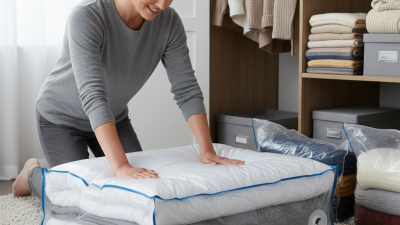
Place the blanket inside without stretching the zipper or sealing track. Smooth the opening before closing it; a fold caught in the seal can let air back in. Remove air gradually, following the bag’s instructions, and stop if the fabric is tightly crushed. Down and wool blankets can lose loft when compressed for long periods. Less is safer. If you are unsure, test a shorter compression period and check the blanket afterward.

For shipping, put the sealed bag inside a sturdy box, with cushioning around the edges. The compression bag saves space, but it is not a substitute for a protective carton. Keep the valve away from corners, and avoid packing heavy objects on top. A common mistake is squeezing out every last bit of air. That may make the package smaller, but it can strain the seal and flatten delicate filling. Before sending, check that the closure is clean and fully shut.

7 Best Blanket Compression Bags for Storage and Shipping - How to Pack Blankets Safely in Compression Bags

Compare these common, brand-neutral bag formats. Dimensions are typical nominal measurements; usable capacity and compression vary with blanket size, fabric, loft, and the bag’s closure.

Bag format Typical bag dimensions Suitable blanket Useful features Safe packing and shipping tip
Small flat vacuum bag About 20 × 28 in (51 × 71 cm) Baby blanket, throw, or a thin fleece blanket Compact shape for drawers and small parcels Fold the blanket to fit without forcing it against the zipper; place the sealed bag in a sturdy outer carton.
Medium flat vacuum bag About 24 × 32 in (61 × 81 cm) Single throw or lightweight twin blanket A practical size for everyday storage Keep the zipper track clean and fully closed. Avoid sharp folds or hard objects that could puncture the bag.
Large flat vacuum bag About 28 × 40 in (71 × 102 cm) One standard-size blanket or a bulky throw Broad opening makes folding and loading easier Use gentle, even compression. For shipping, protect the valve and seams from pressure and abrasion.
Extra-large flat vacuum bag About 30 × 40 in (76 × 102 cm) King-size blanket or a thick comforter, if the filled bag fits comfortably More room for bulky items than a standard flat bag Check the filled dimensions before choosing a carton; do not exceed the bag’s stated fill limit.
Roll-up compression bag About 18 × 24 in (46 × 61 cm) Thin travel blanket or compact fleece throw Air is pushed out by rolling; a vacuum cleaner is not required Roll on a clean, flat surface and close the valve as directed. The flexible shape may need an outer box for parcel shipping.
Square vacuum storage bag About 24 × 24 in (61 × 61 cm) Folded throw or smaller blanket with a regular shape Square profile stacks neatly on shelves Arrange folds evenly to avoid a lopsided parcel, then place the bag in a box that supports its edges.
Long vacuum storage bag About 24 × 40 in (61 × 102 cm) Long folded blanket or a lightweight bed blanket Length accommodates longer folds and reduces bunching Fold the blanket to match the bag’s length, leave room at the closure, and cushion the package corners during transit.

Safe packing reminder: Store only clean, completely dry blankets. Follow the care label, avoid excessive compression of delicate or highly lofted fills, and inspect the seal before storage or shipment. Compression bags reduce bulk but do not replace waterproof outer packaging for shipping.

Storage and Shipping Tips for Compressed Blankets

Before packing a blanket, make sure it is fully dry; trapped moisture can cause mildew and lingering odors. Fold it evenly, then choose a compression bag with enough room to close without forcing the zipper. Keep it dry. Overfilling can strain seams, while sharp buckles or corners may puncture the film. For wool or down, check the care label. Long compression may reduce loft, so use it mainly for moving or shorter storage.

Press out air gradually rather than leaning your full weight on the bag. Stop when the blanket is compact, not rock-hard. Close the valve or zipper fully, then run your fingers along the seal to check for gaps. For shipping, use a sturdy carton with padding at the corners. Too much empty space lets the bundle shift and rub. Record the parcel’s packed dimensions and weight after compression; estimates made beforehand can be off. A small test helps: pack one blanket, leave it overnight, and check whether air returns or the seal slips. That check is easy to skip.