Best Blanket Compression Bags for Efficient Storage Solutions?
In today's fast-paced world, efficient storage solutions are essential. The demand for innovative storage options has surged, particularly in urban areas where space is limited. According to a report by the International Storage Association, over 30% of households face challenges related to storage. This alarming trend drives consumers to seek practical alternatives, especially for bulky items like blankets.
The Blanket Compression Bag has emerged as a popular choice. These bags can reduce the volume of blankets by up to 80%, providing significant space savings. Their design not only maximizes storage potential but also protects items from dust and moisture. As highlighted by a recent study from the Home Organization Institute, 65% of users report a more organized living space after using compression bags. However, some consumers express concerns about potential durability issues and the effectiveness of sealing.
Transforming clutter into organized spaces is an ongoing challenge. Blanket Compression Bags offer a solution, yet not all products deliver the promised results. It's crucial to choose high-quality options to ensure reliability and performance. Reflecting on these aspects can lead to more informed decisions, paving the way for truly efficient storage solutions.
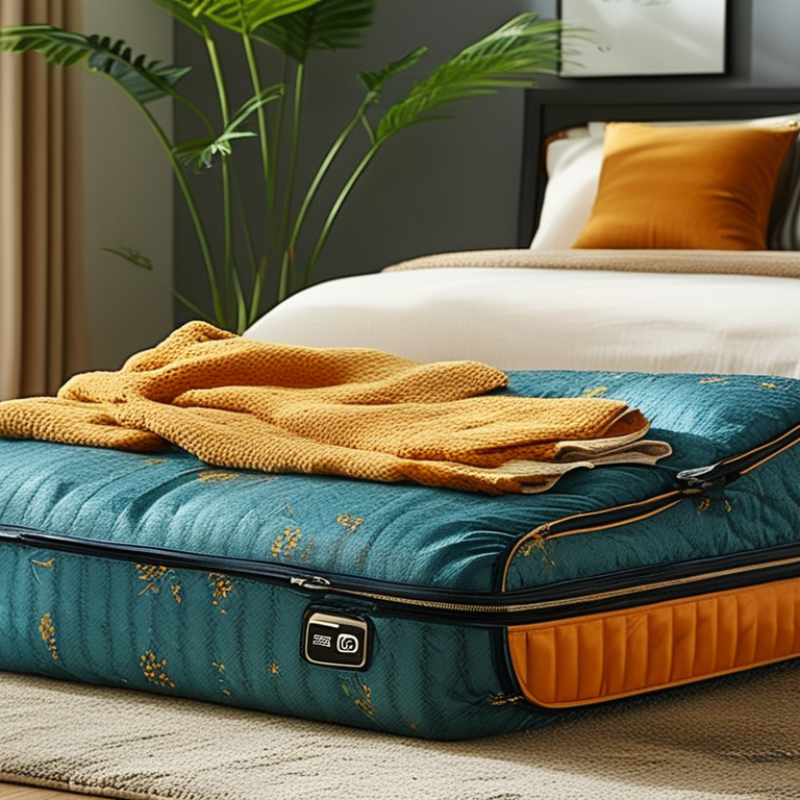
Overview of Blanket Compression Bags and Their Benefits
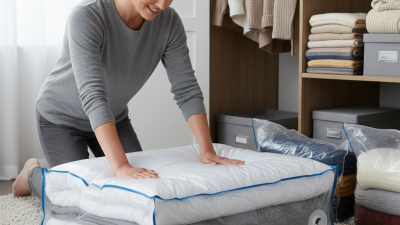
Blanket compression bags are a practical storage solution. They allow you to neatly store bulky items like blankets, duvets, and pillows. By vacuum-sealing these items, you can significantly reduce their volume. This is especially useful in small living spaces where every inch matters. The bags are often made of durable plastic, ensuring long-lasting use.
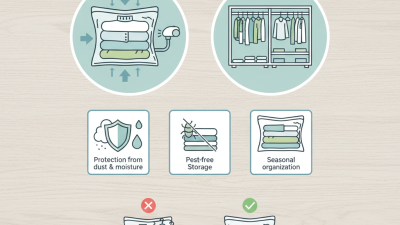
Using compression bags has several benefits. First, they protect against dust, moisture, and pests. Your stored items remain clean and fresh. Additionally, you can easily organize your belongings, making it simpler to find what you need. One can easily slide the bags under a bed or in a closet. However, some users may find it challenging to seal them properly, leading to leaks. Achieving an airtight seal requires practice and patience. This can be frustrating but is a crucial part of the process.
These bags come in various sizes. It's essential to choose the right size for your needs. Overstuffing can compromise the bag's integrity. If not sealed correctly, the contents may expand over time. It's a common mistake to underestimate the amount of space needed. Attention to detail can enhance your storage experience significantly.
Types of Compression Bags Suitable for Blankets
Compression bags offer an excellent solution for storing blankets. Different types suit various needs. Vacuum compression bags eliminate air, maximizing space. They can reduce the volume of blankets by up to 80%. This is particularly useful for seasonal storage.
Non-vacuum bags, however, allow for easy packing and unpacking. They are versatile and convenient. Industry reports indicate that these bags are ideal for travel, as they compress without needing a vacuum. These bags often feature a roll-up design, making them simple to use.
Consider durability when selecting compression bags. Some options may not withstand repeated use, leading to wear and tear over time. A report from the Home Storage Network suggests that over 30% of users experience failure with lower-quality bags. Investing in reliable options ensures your blankets stay safe and secure.
How to Choose the Best Compression Bags for Your Needs
When selecting compression bags, consider the material. High-quality plastic or fabric can significantly impact durability. Thinner bags may save space but often compromise strength. Look for bags with a sturdy seal. This feature prevents air from seeping back in, ensuring your items stay compact.
Another point to consider is the size of the bags. They come in a variety of dimensions. Assess your needs before making a choice.
Think about the intended use of your compression bags. If you plan to store seasonal blankets, opt for larger sizes. For travel, smaller bags work better. Pay attention to the vacuum or roll-up options available. Some users prefer vacuum bags for maximum space saving. Others might find roll-up bags easier for usage without needing a vacuum. Flexibility makes a significant difference in effectiveness.
User reviews can provide insights about real-life performance. Take note of comments about leaks or ease of use. It is also advisable to check return policies. This way, you can ensure satisfaction after purchase. Compression bags should meet your needs quite efficiently, but they may not be flawless. Reflect on your experiences and adjust your choices.
Effective Techniques for Using Compression Bags
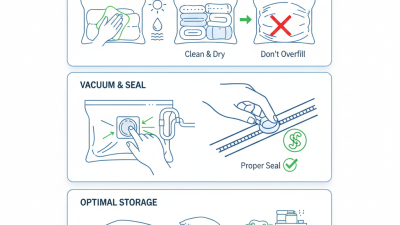
Using compression bags effectively can transform your storage strategy. These bags reduce the space taken by bulky items like blankets and quilts. The natural urge may be to cram everything in. This can lead to a mess or damage the bags. Instead, start by folding items neatly. Ensure there are no wrinkles. This helps create even more space.
Vacuum sealing is the best technique. Use a vacuum cleaner for tighter compression. For those without a vacuum, roll the bags tightly to push out air. This method allows for flexibility in storage. Consider glass containers or bins as alternatives. A clear view of stored items will help with organization later.
Be mindful of the volume you pack. Overstuffing can cause tears or leaks. Regularly check your bags for air leaks too. It's easy to forget about them once tucked away. Keeping a checklist of stored items can help prevent unwanted surprises later. Reflect on your methods. Efficiently using compression bags is an ongoing learning process. Adjust your techniques based on what works best for you.
Tips for Storing and Maintaining Compressed Blankets
When it comes to storing compressed blankets, proper maintenance is key. According to a recent study by the International Sleep Products Association, nearly 50% of consumers report issues with mold and odor in stored linens. To prevent these issues, ensure blankets are completely dry before compression. Any trapped moisture can lead to unpleasant smells or even mildew. Investing in high-quality vacuum bags can also minimize air exposure and combat mildew.
Another important tip is to avoid overstuffing bags. The same study indicates that bags filled beyond capacity lose their ability to stay airtight, risking deterioration of the blankets inside. Instead, aim to fill bags comfortably to allow for proper sealing. Using desiccants can add an extra layer of protection against moisture. Additionally, store packed bags in cool, dark places, as heat and light can weaken materials over time.
Finally, remember to periodically check stored blankets. Experts recommend inspecting them every six months to ensure they are in good condition. This habit not only prolongs their lifespan but also allows you to address any potential issues early. Keeping a detailed inventory can help track when you need to review and maintain your stored items.