Discover the Best Printed Composite Bag Solutions for Global Buyers?
The demand for Printed Composite Bags has surged in recent years. According to a report by Allied Market Research, the global market for flexible packaging, which includes composite bags, is expected to reach $410 billion by 2027. This significant growth reflects the increasing preference for eco-friendly packaging solutions.
Printed Composite Bags offer several advantages. They are durable, lightweight, and customizable. These features make them ideal for various industries, including agriculture and retail. However, not every printed bag meets the required quality standards. Buyers must prioritize vendors with a proven track record. Quality assurance is crucial in selecting the right Printed Composite Bag solutions.
With sustainability becoming a market focus, many manufacturers are adapting their processes. Buyers should expect transparency regarding material sourcing and production methods. While many options exist, not all Printed Composite Bags are equal. A discerning buyer must navigate this landscape wisely, ensuring they invest in high-quality solutions that align with their sustainability goals.
Understanding Printed Composite Bags: An Overview
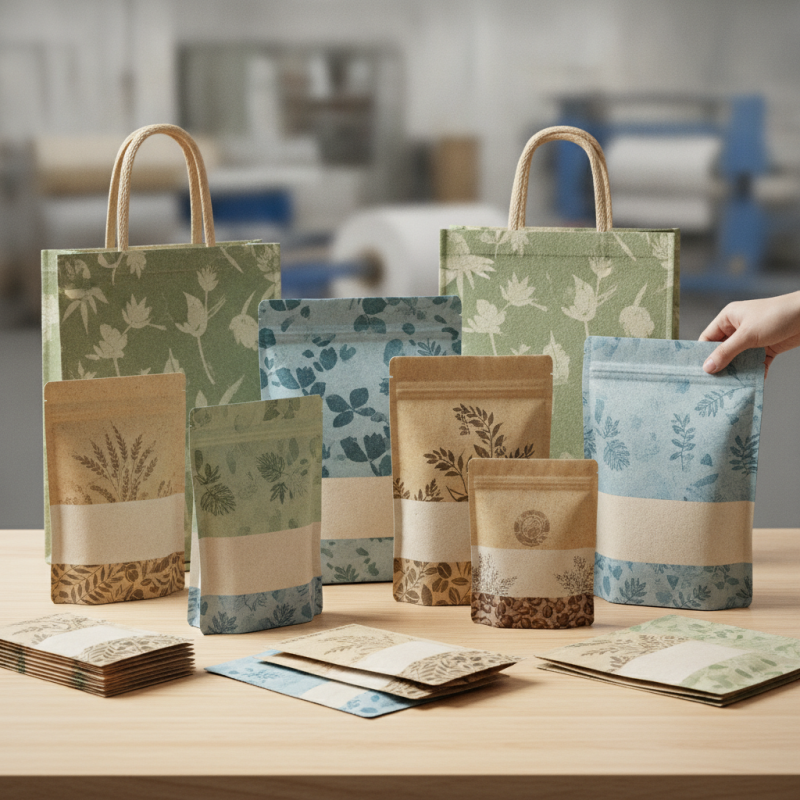
Printed composite bags are gaining traction in various markets due to their versatile applications. These bags, often made from a blend of materials like polyethylene and polypropylene, offer durability and excellent print quality. Research indicates that the global market for such bags is set to grow by 5.1% annually, showcasing their increasing popularity among manufacturers and retailers.
One crucial advantage of printed composite bags is their customizability. Brands can choose from a variety of sizes, shapes, and printing options to create eye-catching designs. According to recent industry reports, around 72% of consumers respond positively to attractive packaging. However, the environmental impact of composite materials raises concerns. Not all composite bags are recyclable, leading to discussions about sustainability in packaging. These challenges highlight the importance of selecting suppliers who prioritize eco-friendly practices.
Moreover, the production process of printed composite bags can be resource-intensive. It often requires a delicate balance between efficiency and environmental responsibility. While the demand for these bags is rising, industry players may need to reflect on their manufacturing processes to ensure they meet both market needs and sustainability goals. This complex landscape presents opportunities and reflections for global buyers looking to invest in printed composite bag solutions.
Key Features of Printed Composite Bags for International Markets
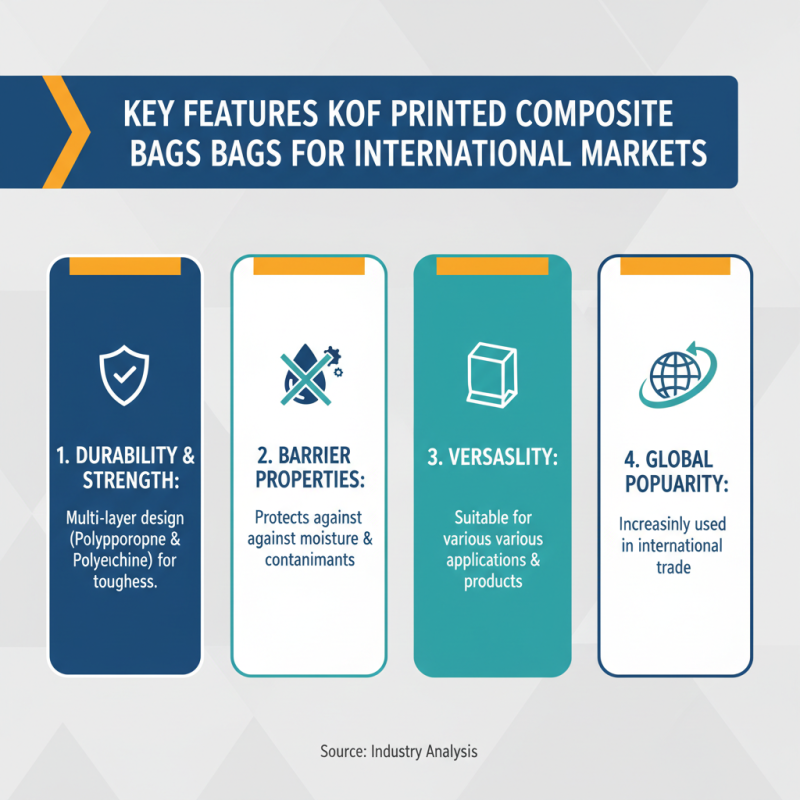
Printed composite bags have become increasingly popular in international markets. Their versatility and strength make them ideal for various applications. These bags often feature a multilayer design, combining materials such as polypropylene and polyethylene. This structure enhances durability and offers excellent barrier properties against moisture and contaminants.
One of the key features of printed composite bags is their customization potential. Buyers can choose from a variety of colors, designs, and sizes. This flexibility allows brands to effectively communicate their message. However, achieving the right balance between design and functionality can be challenging. Designers must consider not only aesthetics but also the bag's performance under different conditions.
Sustainability has emerged as a crucial concern for global buyers. Many seek eco-friendly options when selecting packaging solutions. Some printed composite bags can be recycled or made from recycled materials. Yet, the availability of such options varies widely. Stakeholders must remain informed about environmental regulations and innovations in sustainable packaging. The journey towards fully sustainable printed composite bags is ongoing, requiring continuous improvement and adaptation.
Evaluating Quality Standards for Printed Composite Bags
When evaluating printed composite bags, quality standards are crucial. The International Standards Organization (ISO) sets important benchmarks for material durability and print clarity. This ensures that bags can withstand various conditions during transport and storage. Composite bags, made from materials like woven polypropylene and paper, attract many global buyers due to their multifaceted applications. An industry report from Smithers notes that the worldwide demand for flexible packaging, including composite bags, is projected to grow by 4% annually through 2026.
Consider the testing procedures that determine quality. Rigorous assessments must include tear resistance, load capacity, and moisture barrier effectiveness. A recent analysis indicated that 30% of composite bags fail to meet the desired strength requirements. This inconsistency can lead to product damage and higher costs for manufacturers and consumers.
Furthermore, the recycling rate for these bags remains low, highlighting potential environmental concerns. Only 15% of composite bags are recycled effectively, raising questions about their sustainability. Addressing these issues requires ongoing innovation and adherence to strict industry standards. Buyers must prioritize suppliers who demonstrate commitment to quality and sustainability. The challenge lies in balancing cost, quality, and environmental impact while choosing the right printed composite bags.
Top Manufacturers of Printed Composite Bags: A Global Perspective
The global demand for printed composite bags continues to rise. Manufacturers worldwide are focusing on innovative designs and sustainable materials. These bags are versatile and can cater to various industries, from agriculture to retail. Companies are seeking reliable solutions to enhance their packaging strategies.
Top manufacturers are exploring eco-friendly options. They are using materials that reduce environmental impact. However, some still rely on traditional methods, which might not meet sustainability goals. This presents a gap in the market. Buyers should choose partners who prioritize sustainable practices. They must also consider the quality and durability of the bags offered.
Additionally, it’s essential for manufacturers to stay updated with market trends. Those who fail to innovate may lose their competitive edge. Effective communication with clients can help identify specific needs. Building strong relationships fosters trust and improves product offerings. The landscape is competitive, and continuous improvement is vital for success.
Trends in Printed Composite Bag Designs and Materials
The printed composite bag market is evolving rapidly. Recent reports indicate a 15% annual growth rate in demand for eco-friendly materials. Consumers prioritize sustainable options. This trend reflects a larger shift towards environmental responsibility in packaging. Printed composite bags can effectively highlight brand messages while being environmentally conscious.
Designs are becoming increasingly vibrant and intricate. Digital printing technology enhances the quality of graphics on bags. This technology allows for higher customization and shorter production runs, catering to diverse buyer needs. Research shows that 72% of consumers are influenced by packaging aesthetics. Brands recognize that eye-catching designs can significantly impact purchasing decisions.
Yet, challenges remain. Sourcing sustainable materials can be costly. Not all manufacturers have access to eco-friendly resources. There is also the question of durability versus eco-friendliness. Balancing these aspects requires careful consideration. In some cases, the push for cost reduction leads to compromises in quality. Continuous innovation and collaboration within the industry are critical for overcoming these issues.
Discover the Best Printed Composite Bag Solutions for Global Buyers
| Design Type |
Material |
Thickness (microns) |
Print Quality |
Eco-friendliness |
| Flat Composite Bag |
Polypropylene |
100 |
High Definition |
Recyclable |
| Gusseted Composite Bag |
Laminated Paper |
120 |
Full Color |
Biodegradable |
| Stand-Up Composite Bag |
Kraft Paper |
150 |
Vibrant |
Compostable |
| Zipper Bag |
Polyethylene |
90 |
Excellent |
Recyclable |
| Pouch Bag |
Mylar |
80 |
Premium |
Low Impact |