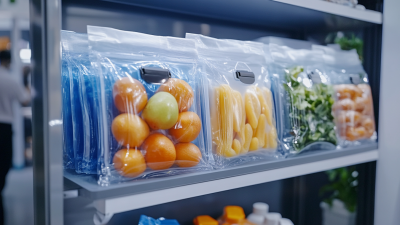
How to Choose the Best Universal Vacuum Sealer Bags?
In the realm of food storage, choosing the right Universal Vacuum Sealer Bags can make a significant difference. Industry expert Dr. Lisa Parent, a food preservation specialist, emphasizes, "The right vacuum sealer bags can enhance freshness and reduce waste." As consumers increasingly look for effective storage solutions, understanding what makes these bags the best choice is crucial.
Universal Vacuum Sealer Bags are designed for versatility and efficiency. They preserve the taste and quality of food longer than traditional methods. Yet, not all bags are created equal. Users often face confusion over material types, thickness, and compatibility with various sealing machines. Selecting inferior bags can lead to leakage and spoilage, raising questions about the effectiveness of the entire vacuum sealing process.
Using quality Universal Vacuum Sealer Bags can save both money and food. However, many consumers overlook the importance of features like puncture resistance and multi-layer construction. It’s essential to reflect on your storage needs to make informed choices. The market offers an array of options, and with the right knowledge, you can avoid common pitfalls and ensure your food storage efforts truly pay off.
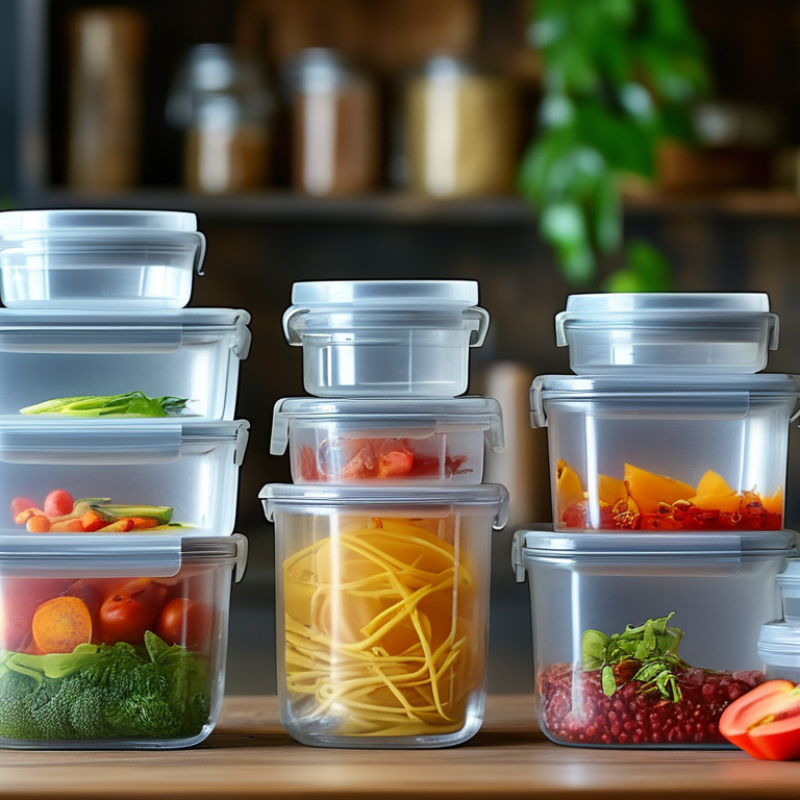
Understanding Vacuum Sealer Bag Materials: Types and Their Properties
When selecting universal vacuum sealer bags, it's essential to understand the materials they are made from. Vacuum sealer bags typically come in two main types: plastic and nylon. Plastic bags are often less expensive and provide a good seal for short-term storage. However, they may not be as durable for long-term freezing. On the other hand, nylon bags tend to have greater strength and are puncture resistant, making them suitable for tougher items.
Consideration of thickness is also important. Most vacuum bags range from 3 mils to 6 mils in thickness. Thicker bags provide better protection against freezer burn and infiltration of air. However, thicker does not always mean better for every application. Sometimes, users may find that overly thick bags are harder to seal properly. It is crucial to match the thickness of the bag with the intended use, as not every situation requires a heavy-duty option.
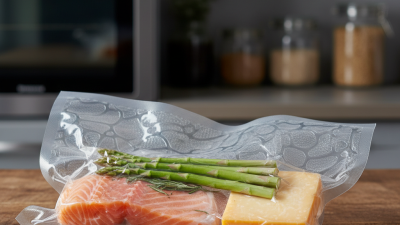
Additionally, check if the bags are embossed or smooth. Embossed bags allow for better air removal, ensuring a strong vacuum seal. In contrast, smooth bags are usually less efficient in air extraction. This understanding of bag properties can significantly influence your food storage success. It's crucial to weigh these factors while keeping in mind your specific storage needs and preferences.
Evaluating Thickness: Why 3-5 Mil Options Are Preferred for Longevity
When selecting universal vacuum sealer bags, thickness plays a crucial role. Industry research indicates that bags with a thickness of 3-5 mil are preferred by professionals for their durability. These thicker options provide a strong barrier against moisture and air, significantly extending the shelf life of food products.
Thinner bags may seem appealing due to their lower cost, but they often fail to provide the same level of protection. A study by the Food Science Institute shows that using bags below 3 mil can lead to increased spoilage rates. Maintaining food freshness is essential, so choosing the right thickness can make a big difference.
Tips: Always opt for bags that meet or exceed 3 mil for long-term storage. Consider how you'll use the bags too. If storing items with sharp edges, like bones or certain vegetables, thicker options are a must. Remember, a small investment in quality can lead to substantial savings by reducing food waste.
Compatibility with Sealing Machines: Ensure Optimal Performance
When selecting universal vacuum sealer bags, compatibility with sealing machines is crucial. Not all bags work seamlessly with every machine. Distinct machines often require specific sizes and thickness levels for optimal sealing. Using incompatible bags can lead to inefficiencies and wasted food.
Consider the thickness of the bags. Thicker bags are durable and provide better protection against freezer burn. However, they may not work well with lower-powered machines. Conversely, thinner bags might seal quicker but can tear more easily. Striking a balance in thickness is essential for effective usage.
It’s also important to review user experiences with different bags and machines. Some users report frustration with bags not adhering properly. This can lead to air leaks and spoilage. Reading reviews can offer insights into which bags work best for your specific model and needs. A thorough investigation ensures you make a wise choice, ultimately enhancing your food preservation efforts.
How to Choose the Best Universal Vacuum Sealer Bags? - Compatibility with Sealing Machines: Ensure Optimal Performance
| Bag Type |
Thickness (microns) |
Compatible Machines |
Seal Strength |
Ideal For |
| Standard Vacuum Bags |
90 |
Most Brands |
High |
Food Storage |
| Heavy Duty Bags |
130 |
Commercial Models |
Very High |
Sous Vide Cooking |
| Chamber Vacuum Bags |
100 |
Chamber Machines |
High |
Long-term Storage |
| Roll Bags |
110 |
Most Brands |
High |
Custom Sizes |
| Pre-Cut Bags |
90 |
Most Brands |
Medium |
Quick Use |
How to Assess Oxygen and Moisture Barrier Qualities in Bags
When choosing vacuum sealer bags, oxygen and moisture barrier qualities are crucial. These aspects directly impact the preservation of food. A good bag should limit air entry to prevent spoilage. Check the thickness of the material; thicker bags usually provide a better barrier. However, thicker doesn't always mean better. Some bags may be thick yet less flexible, hindering proper sealing.
Moisture barrier is equally significant. Excess moisture can lead to freezer burn or mold growth. Look for bags that are specifically designed to resist moisture. Consider conducting a simple test by sealing a moist item. If condensation forms inside, the barrier may not be effective. Analyze how the bags perform in real-life conditions, as manufacturer claims can be misleading.
Finally, keep in mind that not all bags are created equal. Sometimes, cheaper options appear to be a great deal. Yet, they may fail to deliver on their promises. It’s essential to weigh the cost against quality. Remember, a small investment in a reliable bag can save you food and money in the long run.
Cost Analysis: Balancing Quality and Affordability for Long-term Use
Choosing vacuum sealer bags involves balancing quality and affordability. Industry reports indicate that premium bags often outperform cheaper options in durability and seal strength. However, cost can be a significant factor for long-term use. On average, high-quality bags might cost 20% more upfront, but they can last up to 30% longer. This leads to more savings over time, especially for frequent users.
Understanding the material quality is crucial. Some bags are made from a multi-layer structure that enhances protection against moisture and air. While this offers better food preservation, it can be tempting to opt for lower-cost options. Cheap bags may result in food spoilage or freezer burn, leading to wasted food and money. According to a report by the Food and Drug Administration, improper sealing contributes to 25% of food waste in storage. Each penny saved today could ultimately lead to more expenses tomorrow.
Moreover, not all bags are created equal when it comes to compatibility. Many users overlook the importance of choosing bags that fit their vacuum sealers. Using incompatible bags may result in malfunction or incomplete seals. This inefficiency might lead to frustrations, causing users to reconsider their investment. Balancing initial cost against long-term reliability is a reflection of wise consumer habits in the vacuum sealing industry.