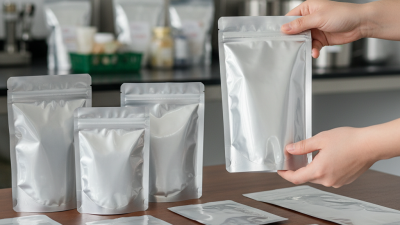
How to Choose the Right Blank Aluminum Foil Bag for Your Needs?
Choosing the right Blank Aluminum Foil Bag can significantly impact your product's packaging and preservation. Industry expert Dr. Lisa Hartman states, "Selecting the correct aluminum foil bag is essential for maintaining freshness and quality in today's market." The right bag not only protects your products but also plays a vital role in branding and visibility.
When considering a Blank Aluminum Foil Bag, think about its purpose. Is it for food, cosmetics, or electronics? Each application requires different properties. For example, food-grade bags must be non-toxic and resistant to moisture. Inadequate selection can lead to spoilage or damage.
Furthermore, size, thickness, and sealing options matter. You may find yourself wondering if you've chosen a bag that's too bulky or too flimsy. Customers notice this inconsistency, affecting their perception of your brand. Reflect on what your product truly needs. As the market evolves, understanding these nuances will become increasingly important for success.
Understanding the Different Types of Blank Aluminum Foil Bags
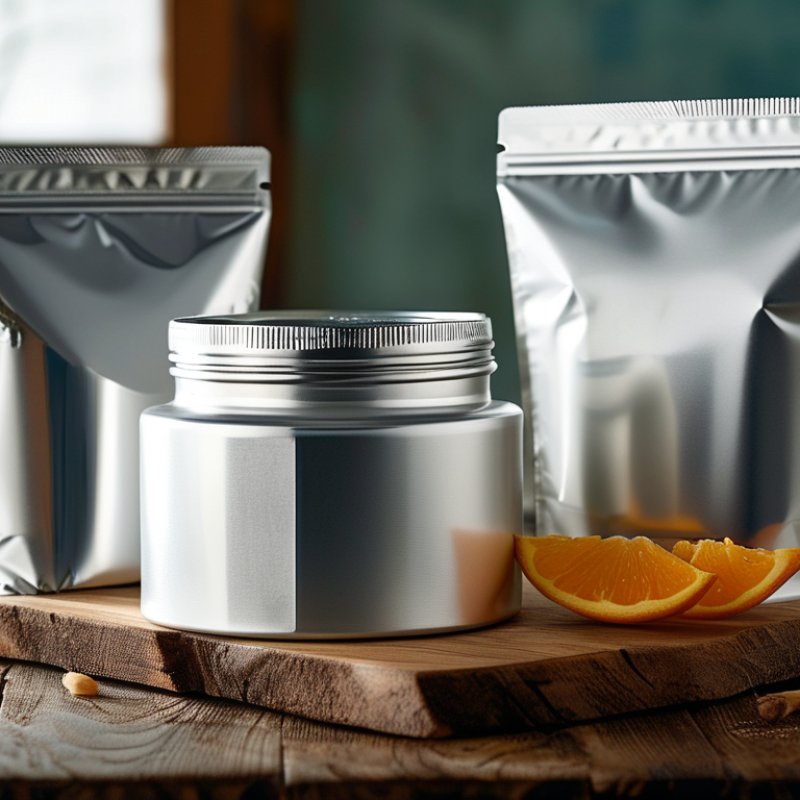
When considering blank aluminum foil bags, various types are available, each serving unique purposes.
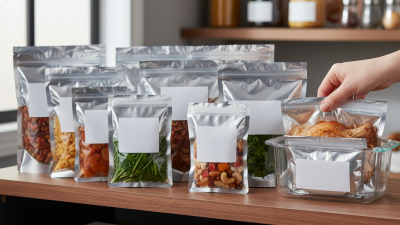
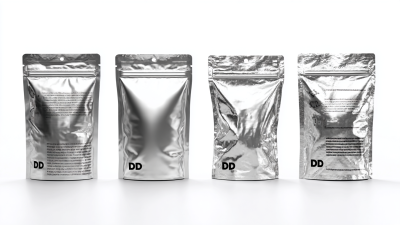
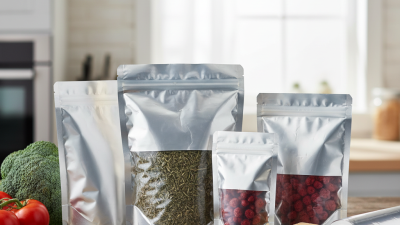
Stand-up pouches are popular for their ability to stand independently, making them ideal for retail. They often come with resealable features, enhancing convenience for users.
Flat bags, on the other hand, are simpler and work well for bulk packaging. Their flat design can be space-efficient, but they lack the visual appeal of more complex options.
Another option is the gusseted bag, which provides extra space for bulkier items. This design allows for expanded capacity, useful for products needing additional room.
However, choosing the right type isn't always straightforward. Each bag type has its pros and cons, influenced by the type of product it will contain.
Additional considerations include the bag's thickness and any special coatings needed for moisture or light protection.
It's crucial to evaluate your specific needs and how each bag performs. Reflect on what you value most: durability, aesthetics, or functionality.
There may be a perfect solution, but discovering it often requires trial and error. Perhaps you might find that what works for others won't suit your products as effectively.
Embrace the process, and be open to re-evaluating your choices.
Key Factors to Consider When Choosing Aluminum Foil Bags
When selecting the right blank aluminum foil bag, several key factors come into play. The material itself plays an essential role. Aluminum foil is known for its barrier properties, protecting contents from moisture, light, and oxygen. According to a recent industry analysis by Smithers Pira, the demand for flexible packaging, including aluminum bags, is expected to grow at a CAGR of 4.5% through 2025. This growth is driven by the need for better preservation of products, especially in food and pharmaceuticals.
The size of the bag is another critical consideration. Depending on the product being packaged, users must choose dimensions that provide adequate space without wasting materials. Suppliers often provide guidelines, but understanding specific requirements is essential for effective use. Weight matters too. A bag that is too light might compromise the product's integrity during transportation. A heavier option might be unnecessary for certain applications, leading to increased costs.
Finally, sealing options should not be overlooked. Different applications may necessitate various sealing methods, such as heat seals or zipper closures. Research shows that up to 40% of product spoilage is linked to inadequate sealing. That reveals an industry gap that could significantly impact your decision-making. It’s crucial to evaluate these factors based on your unique needs and to remain open to adjustments as products evolve.
Evaluating Size and Capacity for Your Specific Packaging Needs
Choosing the right size and capacity for aluminum foil bags is vital for effective packaging. A 2022 report by the Flexible Packaging Association shows that over 30% of packaging failures are due to improper sizing. It’s essential to evaluate your products and their dimensions closely before making a decision. Measure anything you plan to package. Consider the weight and volume. This will help you avoid wasted materials and space.
Packaging experts recommend considering not just the product size but also the intended use. If you are shipping items, a snug fit minimizes movement inside the bag. Conversely, for retail displays, a larger size may enhance visibility. The right capacity can improve shelf life as well. Studies indicate that proper sizing can extend freshness by up to 25%.
Reflecting on your choices is crucial. Overly large bags could lead to more air exposure, risking spoilage. Undersized options might lead to damage during transit. Always ask for samples if possible. Test them with your products to ensure an optimal match. In the long term, thoughtful sizing not only preserves product quality but also reduces costs.
How to Choose the Right Blank Aluminum Foil Bag for Your Needs? - Evaluating Size and Capacity for Your Specific Packaging Needs
| Size (inches) |
Capacity (grams) |
Material Thickness (microns) |
Seal Type |
Best Use Case |
| 6 x 9 |
100 |
50 |
Heat Seal |
Small snacks, herbs |
| 8 x 12 |
200 |
70 |
Zipper Seal |
Food items, powders |
| 10 x 14 |
500 |
90 |
Heat Seal |
Grains, bulk items |
| 12 x 16 |
1000 |
120 |
Zipper Seal |
Large food items, bulk storage |
Assessing Barrier Properties and Seal Integrity in Foil Bags
When selecting a blank aluminum foil bag, understanding barrier properties is crucial. The right barrier ensures that your product remains fresh and free from contaminants. Foil bags are designed to protect contents from moisture, light, and oxygen. Assessing these properties helps you decide on the suitable thickness and structure for your specific needs.
Seal integrity is another vital factor. A reliable seal prevents leakage and protects the contents. When choosing a bag, inspect the sealing options. Heat seals are common, but not all provide the same level of protection. A weak seal can lead to product spoilage. Testing your bags under real conditions is essential to confirm their performance.
Tip:
Always request sample bags to evaluate their barrier properties and seal integrity. Before you commit, conduct rigorous testing on the bags. Check for moisture resistance and light exposure. This practice will help identify potential flaws in seal quality and bag durability. Reflect on your testing process and be open to adjustments in your selection criteria.
Cost and Customization Options for Aluminum Foil Bag Solutions
When considering aluminum foil bags, cost and customization are key factors. Prices can vary based on materials and design intricacies. For basic, unprinted options, the cost is lower. However, adding features like resealable zippers or custom prints will increase the price. Be mindful of your budget while ensuring quality.
Customization can significantly enhance the utility of aluminum foil bags. There are options for varying sizes, thicknesses, and finishes. You might want to consider a matte or glossy finish based on your branding needs. Some bags have added barrier properties for better protection against moisture. This is crucial if you're packaging sensitive items.
Tips: Think about your target audience when selecting design elements. Simple yet effective customization can draw attention. Always ask for samples before placing a large order to evaluate quality. It’s vital to ensure consistency across batches. Analyzing your choices carefully can lead to better results in the long run.
Understanding Cost and Customization Options for Aluminum Foil Bags