How to Choose the Right Printed Composite Bag for Your Needs?
Choosing the right Printed Composite Bag is crucial for various applications. These bags are popular due to their durability and versatility. However, finding the perfect one can be challenging. Many factors influence the decision.
Consider the intended use. Will you use the bag for food, chemicals, or retail? Each purpose has specific requirements. The size and capacity are also important. A too-small bag can lead to spills, while an oversized one may waste materials. The design plays a role too. Well-designed Printed Composite Bags can enhance brand visibility.
It's essential to reflect on the bag's environmental impact. Some materials may be more eco-friendly than others. Researching manufacturers helps ensure quality and reliability. Not every Printed Composite Bag is created equal. Customers should seek products that meet their needs and offer good value. Choosing wisely can lead to more efficient storage and transportation.
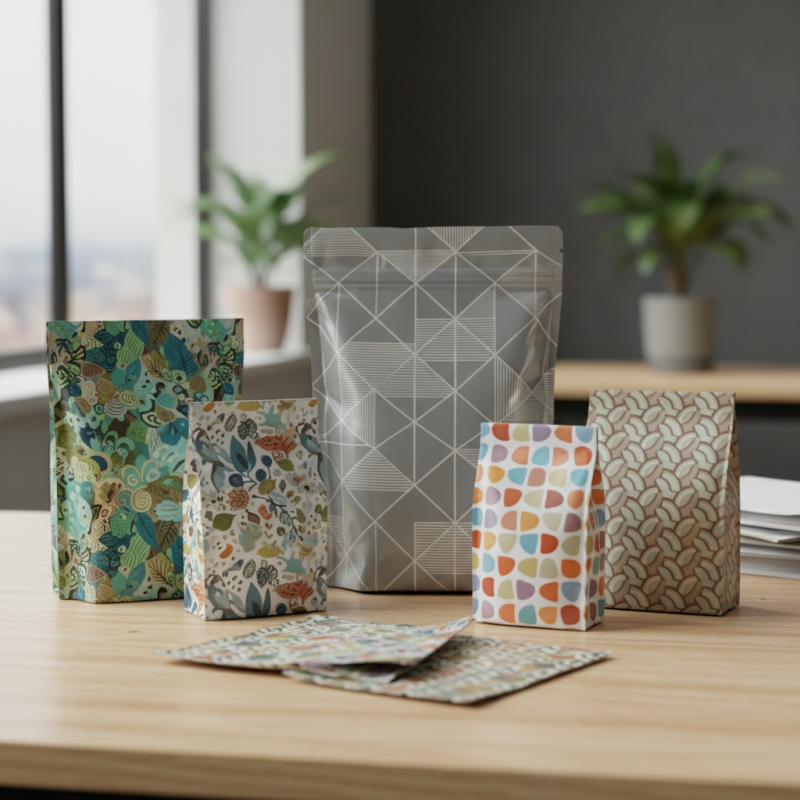
Understanding the Different Types of Printed Composite Bags
When selecting a printed composite bag, understanding the different types available is crucial. These bags come in various styles, each designed for specific applications. For instance, coated bags are water-resistant and suitable for outdoor use. Meanwhile, non-coated bags offer breathability, making them ideal for food products. Knowing your product’s requirements shapes your choice.
Another significant type is the multi-layer bag. This bag combines different materials to enhance durability and strength. It can withstand heavier loads while maintaining a lightweight design. While this seems advantageous, consider the environmental impact. Are you choosing materials that are sustainable? Reflecting on this can lead to better options.
Some bags feature special printing techniques. Each method, such as flexographic or gravure printing, offers unique benefits. These printing styles affect clarity and color vibrancy. While high-quality prints attract customers, they may come at a cost. Balancing aesthetic appeal with budget constraints is vital. Evaluate your priorities carefully before making a decision.
Key Factors to Consider When Selecting a Printed Composite Bag
When selecting a printed composite bag, consider your specific needs carefully. The bag's material plays a crucial role in its strength and durability. Evaluate if you need a lightweight option or something robust for heavy items. Ensure the bag can withstand various environmental factors, like moisture or UV exposure.
Print quality is another significant aspect. Vibrant colors and clear designs can enhance your brand’s image. Check the printing technology used. High-quality prints can handle wear and tear better than low-resolution options. Additionally, think about the bag size. Too small, and it won't fit your products; too large, and it wastes material.
Cost is undeniably a critical factor. Analyze your budget and weigh it against the quality offered. Sometimes, cheaper options can compromise reliability. Reflect on whether the savings are worth the potential issues in the long run. Lastly, consider the manufacturer’s reputation. Researching reviews can provide insight into their reliability and service quality.
How to Choose the Right Printed Composite Bag for Your Needs?
| Factor |
Description |
Importance Level |
| Bag Material |
Consider the strength and durability needed for your products. |
High |
| Print Quality |
Evaluate the clarity and vibrancy of the print, which affects branding. |
High |
| Size and Capacity |
Select a size that best fits your product dimensions. |
Medium |
| Customization Options |
Assess the ability to customize logos, colors, and designs. |
High |
| Sustainability |
Consider eco-friendly materials and production processes. |
Medium |
| Cost |
Analyze the cost per unit including design and shipping. |
High |
Assessing Durability and Strength for Your Packaging Needs
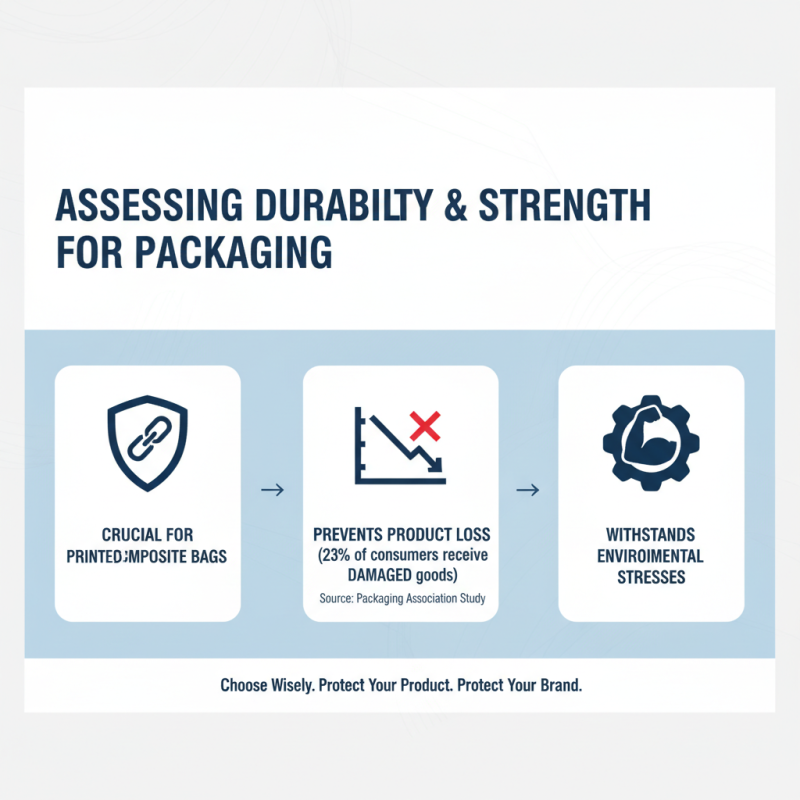
When selecting printed composite bags, assessing durability and strength is crucial. Statistics indicate that packaging failure can lead to significant product loss. According to a study by the Packaging Association, 23% of consumers report receiving damaged goods due to inadequate packaging. This highlights the importance of choosing a bag that can withstand environmental stresses.
Durability often boils down to materials. A bag should resist tears and punctures, especially in demanding conditions. A report by the Flexible Packaging Association shows that flexible bags exhibit a 30% higher resistance to punctures compared to traditional options. However, not all composite bags are created equal. Manufacturers may cut corners on materials to save costs, potentially sacrificing strength.
It’s worth considering the specific needs of your products. For instance, heavy or fragile items require thicker materials. A bag that seems strong may not hold up under pressure. Research suggests that bags with multiple layers often provide better protection. Evaluating the expected weight and nature of the contents can prevent costly failures down the line. The risk of underestimating packaging durability can lead to inventory losses and customer dissatisfaction.
Evaluating Print Quality and Design Options
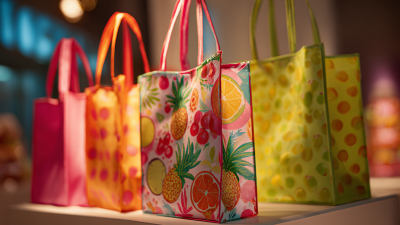
When choosing printed composite bags, evaluating print quality is crucial. The clarity and vibrancy of colors can significantly impact your brand image. Higher-quality printing methods ensure that your bag stands out on store shelves. Look for options that offer sharp text and vivid designs.
However, even the best printers can face challenges. Sometimes, color accuracy may not meet expectations. It's essential to work closely with your printer to resolve these issues.
Design options are equally important. A unique design can attract more customers. Consider the bag's shape and size. These elements should complement your design. Pay attention to how the graphics flow and integrate with the bag's structure.
Simple designs may seem effective at first. Yet, they can sometimes lack the impact you need. Be open to revisions and experiment with different layouts. Embrace feedback from potential users. Their insights can guide you toward a more compelling final product.
Cost-Effectiveness: Budgeting for Your Composite Bag Purchase
When budgeting for a printed composite bag, it’s essential to weigh the costs against the benefits. A good bag should balance quality and affordability. Low-cost options may save money up front but could fail to meet your needs. Poor durability may lead to additional costs, as you may have to replace them frequently.
Consider the materials used in composite bags. They can significantly affect both price and performance. Cheaper materials might not withstand the stresses of transport and storage. Look for bags that provide adequate strength without breaking the bank. It’s also crucial to evaluate the printing options. Simple designs often cost less. However, more intricate designs can elevate your brand's presence.
As you assess your budget, don’t forget hidden costs. Shipping and handling can add up. Choose a supplier that offers transparency in pricing. Understand the value of investing in a quality bag. The right choice not only meets your needs but also reflects your brand’s image. Don’t rush the decision; take the time to evaluate all aspects.