What is a Cloth Compression Bag and How to Use It?
Cloth Compression Bags are essential tools for maximizing storage efficiency. Renowned expert in home organization, Dr. Emily Watson, states, "Using a Cloth Compression Bag can revolutionize how we manage space." These bags not only reduce the volume of clothing but also protect items from dust and moisture. The innovation behind these bags allows users to compress bulky winter clothing or bedding down to a fraction of their original size.
Many people overlook the potential of Cloth Compression Bags. They are easy to use, yet underutilized. Simply place your item inside, seal it, and use a vacuum or manual method to expel air. However, some may struggle with sealing techniques or proper packing methods. This can lead to inefficient use of the bag's capacity.
Understanding the various types of Cloth Compression Bags is important. Not all bags are created equal. Choosing the right one can affect durability and effectiveness. Investing a bit of time in finding a quality bag is crucial. The difference can greatly influence your organizational efforts and overall satisfaction.
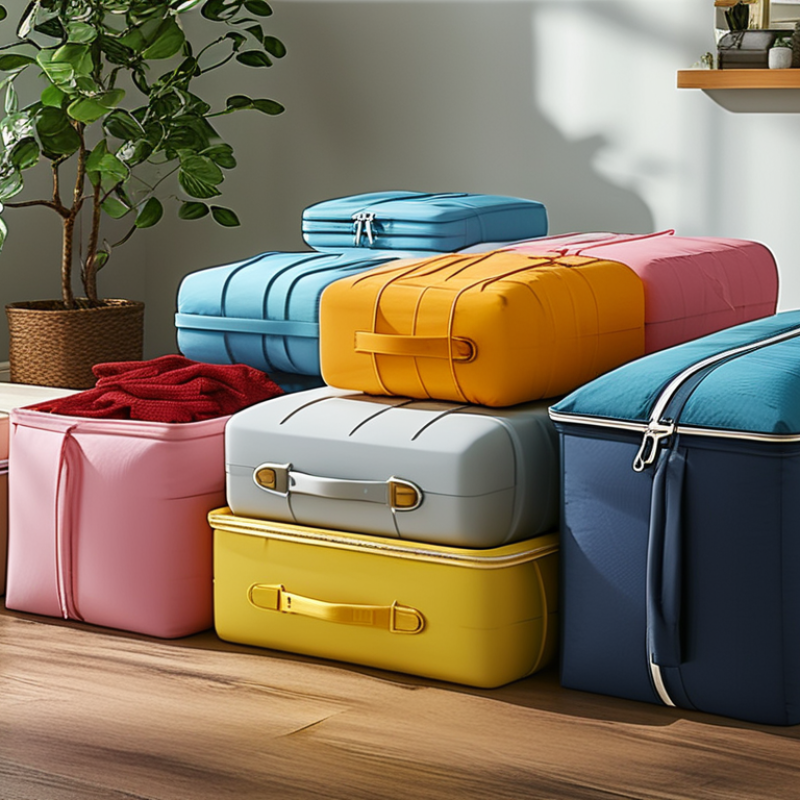
What is a Cloth Compression Bag?
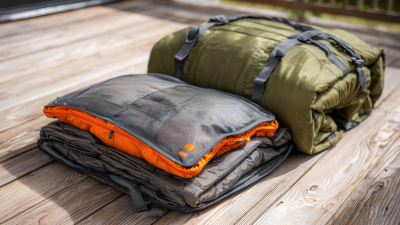
A cloth compression bag is an efficient storage solution designed to reduce the volume of bulky items, especially clothing. These bags use air-tight seals and compression technology to maximize space. According to industry reports, using compression bags can save up to 75% of storage space for soft items like jackets and blankets. This makes them perfect for travelers or those with limited closet space.
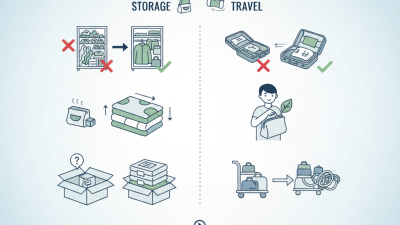
To use a cloth compression bag effectively, start by filling the bag with your chosen items. Ensure that the fabrics are clean and dry. Once filled, carefully seal the bag and use a vacuum or the manual rolling method to remove excess air. This process not only reduces volume but also protects against moisture, dust, and pests.
Tips: Always check the size of the bag before filling. Overstuffing can lead to ineffective compression and even damage. Additionally, assess the fabric types you are compressing. Not all fabrics respond well to compression. For instance, delicate fabrics may need extra care when stored. Storing these bags in a cool, dry place can greatly prolong the life of the contents inside.
Benefits of Using Cloth Compression Bags
Cloth compression bags are a game-changer for travelers and home organizers alike. These bags help reduce the amount of space your clothes occupy. With just a few simple steps, you can pack more efficiently for your next journey or tidy up your closet. Simply place your garments inside, seal the bag, and remove excess air. This process minimizes bulk and maximizes storage potential.
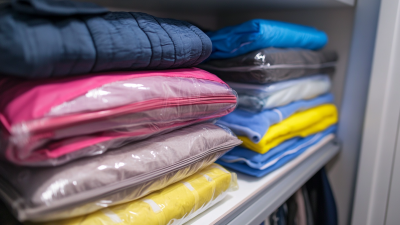
The benefits of using cloth compression bags are impressive. They not only save space but also protect your items from dust and moisture. Many users appreciate the ability to categorize their belongings easily. They can store seasonal clothing separately or keep travel clothes organized. The visibility of contents in transparent bags adds to the convenience. Additionally, these bags are reusable, making them an eco-friendly choice.
It's worth noting, however, that over-packing can lead to wrinkled clothing. Compression bags work best when items are rolled and not crammed. Using them might require some trial and error to achieve the best results. Overall, cloth compression bags are a smart solution for anyone seeking practical organization and more efficient packing tactics.
What is a Cloth Compression Bag and How to Use It? - Benefits of Using Cloth Compression Bags
| Feature |
Description |
Benefits |
| Material |
Made from durable fabric, often nylon or polyester. |
Resistant to wear and tear, ensuring longevity. |
| Compression Mechanism |
Utilizes a zippered design to reduce volume. |
Maximizes storage space in luggage or closets. |
| Capacity |
Available in various sizes, accommodating different items. |
Versatile for use with clothing, blankets, and more. |
| Portability |
Lightweight and easy to carry. |
Great for travel and organizing at home. |
| Maintenance |
Easy to clean and maintain. |
Promotes hygiene and fresh storage. |
Step-by-Step Guide to Using Cloth Compression Bags
Cloth compression bags are handy tools for anyone looking to save storage space. These bags allow you to compress bulky items like clothes or linens, minimizing the space needed. Understanding how to use them effectively can maximize their benefits.
Start by laying your items flat. Ensure they are clean and dry to prevent odors or mildew. Place them inside the bag without overstuffing. This step can be tricky; be mindful of the bag's capacity. Next, seal the bag securely, ensuring no air can escape.
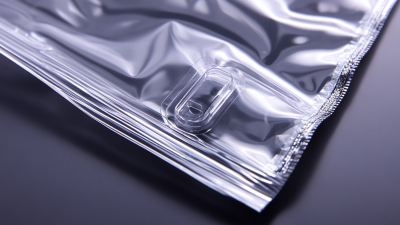
Using a vacuum cleaner, attach the nozzle to the bag's valve. This part can cause frustration if not done correctly. Squeeze the bag gently as the air is sucked out. Watch for any signs of stress on the seams. Once compressed, store the bags in a cool, dry area. Some users report that it takes practice to achieve optimal compression. Don’t rush, as this could lead to issues like tearing. Remember to check your bags regularly to keep your items in good condition.
Usage of Cloth Compression Bags Over Time
Tips for Maintaining Your Cloth Compression Bags
Using cloth compression bags is an excellent way to save space. However, they require careful maintenance to function at their best. To ensure these bags remain effective, regular cleaning is essential. Hand wash them with mild soap in cold water. Avoid using bleach or harsh chemicals. After washing, let them air dry completely before storing.
Storage is crucial, too. Keep your cloth compression bags in a cool, dry place. Avoid places with extreme temperatures or humidity. These conditions can weaken the fabric and reduce the bag's effectiveness. When not in use, make sure the bags are completely deflated and folded neatly. This helps preserve their shape and prevents wear and tear.
Check for any signs of damage regularly. Small holes or tears can occur, especially after repeated use. If you find any, patch them up immediately or consider replacing the bag. Remember, proper maintenance can extend the lifespan of your cloth compression bags and make packing easier. Consider sharing your experiences with friends for more tips.
Common Mistakes to Avoid When Using Compression Bags
Using cloth compression bags can be a great way to save space, especially while traveling. However, many users make common mistakes that reduce their effectiveness. For instance, overstuffing the bags can lead to insufficient compression. According to a study by the Travel Goods Association, using compression bags properly can increase packing efficiency by up to 50%. But if stuffed carelessly, you might only achieve a 10% reduction.
Another frequent mistake is neglecting the materials of the bags. Low-quality bags may not seal properly, allowing air to escape. This compromises the compression effect. A report from the American Society of Travel Agents indicates that poor-quality compression bags led to a 30% dissatisfaction rate among travelers. Choosing durable, high-quality materials is essential. It ensures longevity and effectiveness.
Additionally, users often forget to remove excess air before sealing. This step is crucial. Not sealing correctly can result in wasted space and increased bulk. So, always ensure the bag is tightly sealed to maximize compression. By being mindful of these common pitfalls, you can utilize cloth compression bags to enhance your packing strategy effectively.