Why Choose Clothes Zipper Storage Bags for Bulk Buying?
Buying Clothes Zipper Storage Bags in bulk can make sense for apparel brands, retailers, and fulfillment teams. A clear bag lets staff identify folded garments without opening each package. A reliable zipper helps keep dust and handling marks away during storage and shipping. But bulk buying is not automatically the cheaper choice. Bag dimensions, film thickness, zipper quality, and print requirements all affect the final cost. A low unit price means little if bags split at the seams or fail to fit the garments.
For dependable guidance, this introduction needs a verified quotation from a named clothes-packaging expert. No source or expert quotation was provided, so I won’t invent one. Insert a sourced comment here, such as: “[Verified expert name] says, ‘[Exact, verifiable quotation about bulk buying or garment-storage bags].’” The right quote should reflect practical experience, not just sound persuasive. Buyers should also test samples with real garments. Check how the zipper closes, how the material feels, and whether the bag stacks neatly on a shelf. Even small details matter. A bag that looks fine in a sample can be awkward in daily packing. Bulk purchasing rewards careful planning, though every forecast can miss something. Sometimes the best decision is a smaller trial order before committing to a full run.
What Clothes Zipper Storage Bags Are and How They Work
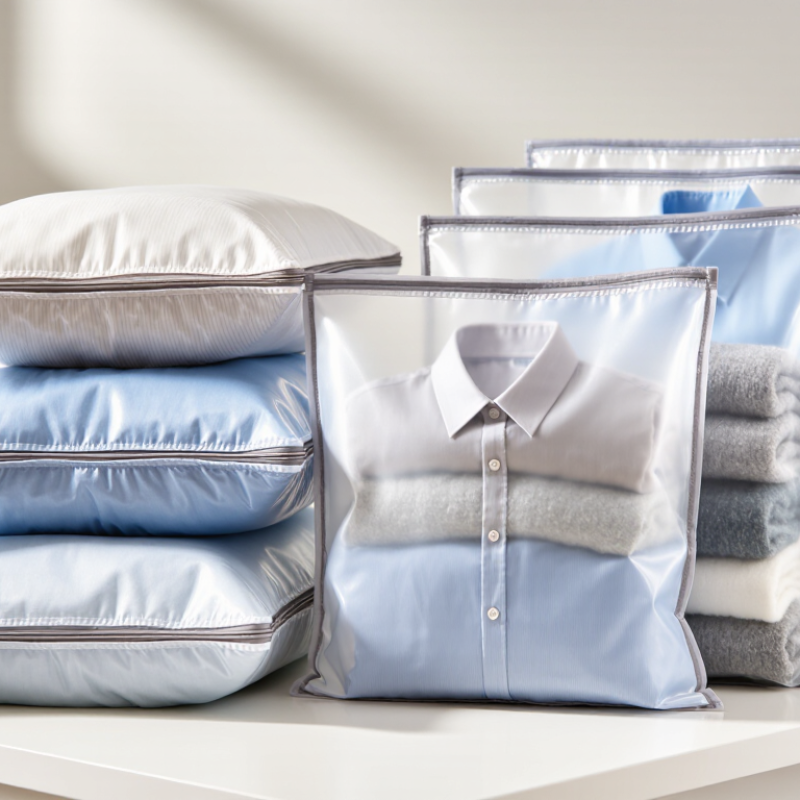
Clothes zipper storage bags are flexible pouches, usually made from clear plastic film, with a press-to-close track along the opening. They hold folded shirts, sweaters, or children’s outfits together and help keep dust and handling marks away. The clear sides make contents easy to identify without opening every bag. Simple, but useful. For bulk buying, choosing a consistent size can make stacks easier to arrange on shelves or in drawers. Sizes and film thickness vary, so check dimensions and intended use before ordering a large quantity.
Before packing, make sure garments are clean and fully dry; trapped moisture can create odors or harm fabric. Fold each item to fit, keeping cloth clear of the zipper area. Press the track closed from one end to the other. Some bags include a slider, while others close by hand. They can reduce exposure to dust and minor splashes, but ordinary zipper bags are not necessarily airtight or waterproof. Do not overfill. Excess bulk can strain the seams and make the zipper harder to close. For long-term storage, occasional checks are sensible, especially in humid rooms.
Why Choose Clothes Zipper Storage Bags for Bulk Buying?
A zipper closure helps keep grouped garments together during storage and handling. The chart shows how the number of bags changes with order size and packing quantity.
Example calculation: bag counts are rounded up to whole bags and assume 1, 2, or 4 garments per bag. Actual capacity depends on garment bulk and bag dimensions.
How Zipper Bags Protect Clothing During Storage
Clothes zipper storage bags help keep bulk clothing orders cleaner from packing table to closet. A closed zipper limits dust, lint, and contact with nearby items. This matters when several garments share a carton or storage shelf. Smooth plastic also helps reduce snagging on rough cardboard edges. Clear bags make it easier to identify sizes and colors without opening each package.
Protection depends on how the clothes are packed. Store garments only when they are clean and fully dry. Even a little dampness can linger inside a closed bag and lead to musty odors. Press excess air out gently, but do not crush collars, pleats, or padded areas. A folded cotton shirt needs less room than a structured jacket. Leave enough space for the zipper to close without pulling against the fabric.
Zipper bags are useful, not magic. They can reduce dust and handling, but they do not replace cool, dry storage or careful stacking. For long storage, check the contents now and then, especially after humid weather. That extra check takes time. Still, finding a dry, clean garment is better than discovering a damp corner weeks later. Bulk buyers may also separate delicate pieces from heavier clothing to prevent pressure marks.
Why Bulk Buying Can Reduce Costs and Replenishment Effort
Buying clothes zipper storage bags in bulk can lower the cost per bag, especially when a shop, laundry service, or household uses them every week. Instead of placing small orders repeatedly, buyers can compare pack sizes and shipping costs in one purchase. The savings are not automatic, though. A large carton may cost less per unit but still tie up money and shelf space.
Bulk stock can also make replenishment easier. Keep a measured quantity near the packing table, and staff can grab a bag without pausing to check whether another order has arrived. Clear bags help identify folded shirts or seasonal garments, while zipper closures reduce the chance of items slipping out during handling. That adds up. Before ordering, check bag dimensions against the clothes most often stored; a bag that is too tight can strain its zipper, while an oversized one wastes space. Not always obvious.
A simple usage record helps estimate a sensible order size. Note how many bags are used each week, then allow for busy periods and delivery time. If designs or garment sizes change often, a smaller bulk order may be wiser. I have seen neat cost calculations overlook storage clutter. Keep cartons dry, label the opening date, and review the remaining stock before buying again.
How to Choose Bag Sizes, Materials, and Closure Types
Bulk buying zipper storage bags works best when size follows actual inventory, not guesswork. Measure folded garments, then allow extra room for air and easy removal. A bag that is too tight can strain its seams; an oversized one wastes shelf space. Small bags suit socks, scarves, and children’s shirts, while larger formats fit sweaters or bedding. Small loads vary.
Material affects handling and storage. Clear polyethylene makes contents easy to identify, while flexible film fits soft clothing without adding much bulk. For frequent packing, compare film thickness and seam quality; thicker material may resist punctures better, but it can also cost more. Store only clean, fully dry garments to reduce trapped moisture and odor. If recyclability matters, check whether local collection accepts the specific film.
Choose a closure that matches how often bags will be opened. A press-seal track is simple for occasional use, while a slider can be easier when staff pack many items in a row. Check that the zipper runs smoothly across the full width and stays closed after gentle handling. Test one carton before placing a large order. That small trial can reveal awkward sizing or closures that catch on fabric.
How to Store and Organize Bulk-Purchased Bags
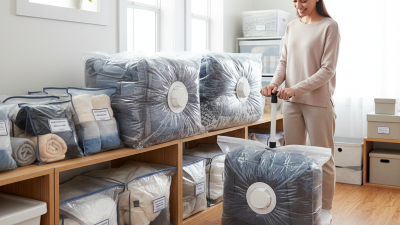
When bulk-buying clothes zipper storage bags, keep the unused bags clean, dry, and away from direct sunlight. A lidded shelf bin or drawer helps prevent dust and keeps the packs from spreading across a closet. Store bags flat when possible; heavy items stacked on top can crease them or stress the zipper tracks. Keep one small batch within easy reach and the rest together as reserve stock.
Leave some room. Overfilling bags can strain the closure, so match each bag to the garment rather than forcing in extra items. Before storing clothes, make sure they are fully dry, then zip the bag without catching fabric in the track. A quick check along the seal can reveal gaps. Add a simple label with the garment type or season, and place labels where they remain visible in a stack.
It is easy to over-organize. A few broad categories, such as daily wear, travel, and seasonal clothing, are often easier to maintain than labels for every item. For long-term storage, check the fabric’s care guidance; some garments may need breathable storage instead of a sealed bag. Review the stored clothes occasionally, especially in humid rooms, and replace any bag that has a damaged zipper or cloudy, brittle plastic.