10 Tips for Using Blanket Compression Bags Effectively for Space Saving
When it comes to maximizing storage space, few products are as effective as the Blanket Compression Bag. Industry expert Sarah Johnson, a renowned home organization consultant, once stated, “Using the right compression bags can transform clutter into organized space.” Her insight captures the essence of why blanket compression bags have gained popularity in homes everywhere.
In our fast-paced lives, it’s easy to accumulate items. Blankets, comforters, and seasonal clothing often take up more space than we can afford. Many people struggle with clutter and organization. The Blanket Compression Bag offers a straightforward solution. These bags not only reduce bulk but also protect your belongings from dust and moisture. Imagine reclaiming valuable closet space by simply squishing those oversized blankets into compact bags.
However, maximizing their effectiveness requires some practical tips. Are you aware of the right way to fill a bag for optimal compression? Or how to properly seal it for longevity? Missteps can lead to wasted space and damaged items. Understanding both the advantages and limitations of Blanket Compression Bags is crucial for successful organization. Reevaluate your storage methods and consider the potential of these innovative solutions.
Understanding Blanket Compression Bags and Their Benefits
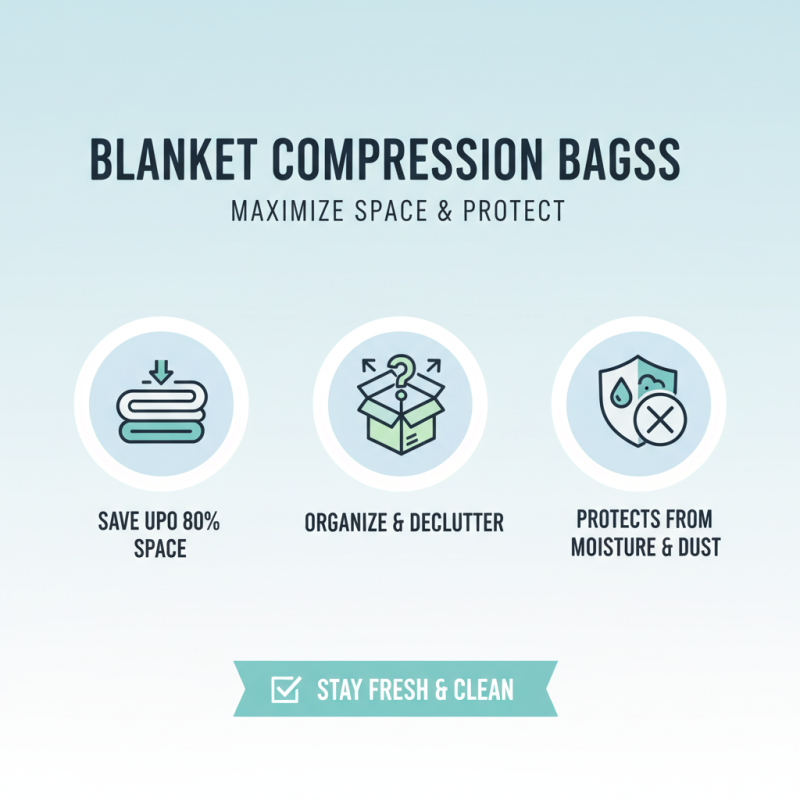
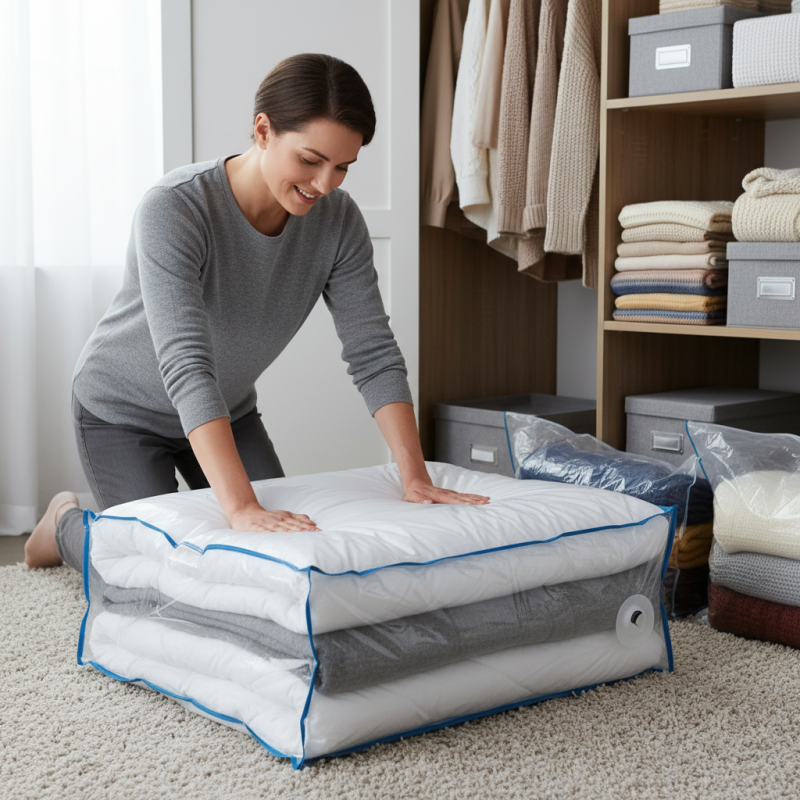
Blanket compression bags are a fantastic solution for maximizing space in your home. They allow you to store large items like blankets, comforters, and seasonal clothing efficiently. By reducing bulk, these bags help keep your living spaces organized and clutter-free. The airtight seal prevents moisture and dust from entering, ensuring your items stay fresh and clean.
One tip for effective use is to fold your items neatly before placing them in the bags. This can help achieve better compression. You don’t need to cram everything in haphazardly. Remove as much air as possible during sealing for optimal space savings. It can be frustrating when the bags don’t seal properly, so take your time with this step.
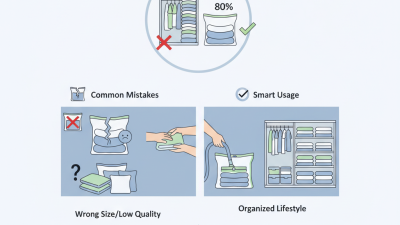
Another important aspect is to choose the right size bag. Oversized bags can lead to wasted space, while too-small bags might not hold all your items. Consider sorting your belongings beforehand. This makes the packing process much smoother. Keep in mind that not every item may compress well. Some pillows or thick blankets may need separate storage methods.
How to Choose the Right Size Compression Bag for Your Blankets
Choosing the right size compression bag for your blankets is crucial.
An ill-fitting bag can lead to wasted space and ineffective compression.
Measure your blankets before purchasing. This simple step can save you time and frustration.
Consider the thickness and material of your blankets.
Thick, fluffy blankets may require larger bags. On the other hand, lightweight and thin blankets can fit snugly in smaller sizes.
Checking manufacturer recommendations can be beneficial, but don't rely solely on that. Each brand can differ in sizes.
Some users often underestimate how many blankets will fit.
It's not uncommon to find yourself needing more than anticipated.
While larger bags offer more room, overstuffing can compromise compression efficiency.
This experience teaches the importance of evaluating your storage needs accurately.
Remember to take care when sealing a bag that’s too full.
It’s about achieving that perfect balance between space saving and organizing effectively.
Step-by-Step Guide to Properly Packing Blankets in Compression Bags
Packing blankets in compression bags in compression bags can drastically save space in your home. Start by choosing the right bag size. A bag that is too large may waste space, while a bag that is too small can damage your blankets. Fold each blanket neatly, aiming for uniformity in size. This helps maximize the bag's capacity.
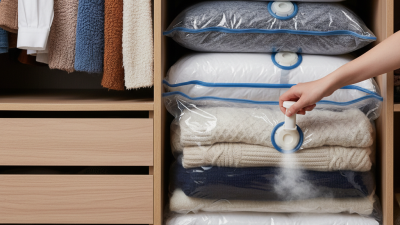
Place the folded blankets into the bag. Ensure no sharp objects or zippers are present inside. These can cause punctures over time. After filling, seal the bag tightly. Use a vacuum to remove air efficiently. This step is critical. Sometimes, air can sneak back in if the bag isn't sealed correctly.
After packing, store the bags in a cool, dry place. Moisture can lead to mold and mildew, which can be tough to clean. Regularly check on your bags. Over time, seams might weaken. This requires attention to ensure your investment in space-saving is worthwhile. Keep an eye on any signs of damage. Reacting early can save both the blankets and the storage effort.
Tips for Maximizing Space Efficiency When Using Compression Bags
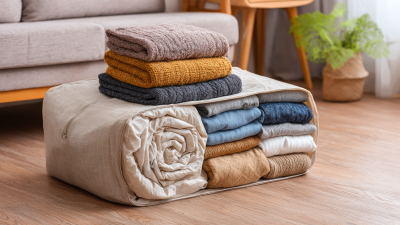
Using compression bags to maximize space can be a game changer for your storage needs. Start by selecting the right size bag for your items. A bag too large may not compress well. Before packing, fold your blankets neatly. Rolling or folding them tightly can aid compression and save more space. Remember, don’t overstuff the bags. This could lead to poor air removal and less effective compression.
When sealing your bags, ensure they’re completely airtight. This helps in maintaining shape while maximizing space. Look for bags with double zippers or seals for added reliability. After sealing, use a vacuum for best results. If a vacuum isn’t available, press the bag with your hands to remove excess air. Keep in mind that some bags may lose their shape over time, so it’s wise to recheck them periodically.
Store your compressed bags in a cool, dry area. Heat and humidity can damage materials. Be mindful of the weight of your compressed items. Heavy bags can be cumbersome to lift or move. Evaluate your storage strategy regularly to identify areas for improvement. Make adjustments based on your experiences. Learning what works best will enhance your space-saving efforts.
10 Tips for Using Blanket Compression Bags Effectively for Space Saving
| Tip Number |
Tip |
Benefits |
| 1 |
Choose the Right Size |
Maximizes storage space |
| 2 |
Use a Vacuum Pump |
Ensures maximum air removal |
| 3 |
Seal Carefully |
Prevents leaks and loss of compression |
| 4 |
Store at Room Temperature |
Maintains fabric integrity |
| 5 |
Avoid Overstuffing |
Ensures effectiveness and ease of use |
| 6 |
Label Your Bags |
Easily identify contents |
| 7 |
Use Soft Items First |
Compresses more efficiently |
| 8 |
Exclude Sharp Objects |
Prevents damage to bags |
| 9 |
Clean Before Storing |
Prevents odor and mold |
| 10 |
Rotate Regularly |
Maintains fabric quality |
Maintenance and Storage Tips for Long-Lasting Compression Bag Use
Proper maintenance and storage of compression bags significantly extend their lifespan. According to recent industry reports, well-maintained bags can last up to five times longer than those that are improperly cared for. Always ensure your bags are clean before storage. Stains or dirt can lead to deterioration and compromise the bag's fabric. Regularly inspect for wear and tear; any small punctures can rapidly expand, reducing effectiveness and increasing storage risks.
Storage conditions also play a crucial role. Avoid keeping compression bags in damp areas. Moisture can lead to mold growth, rendering bags unusable. Ideally, store them in a controlled, dry environment. Some experts recommend using desiccants to absorb excess moisture. Accumulating dust can affect sealing efficacy. Use a soft cloth to wipe the bags down before sealing.
It’s important to reflect on how these storage habits affect bag performance. Careless handling, such as stuffing bags too tightly, can cause seams to fail. Think about how much space you save against the durability of the bag. A little attention to maintenance goes a long way in keeping compression bags functional, promoting a clutter-free living space effectively.