inquiry
Leave Your Message

How to Use Vacuum Zipper Bag With Plastic Valve Effectively?

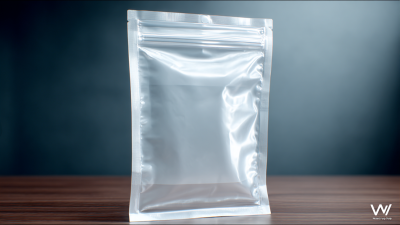
Vacuum Zipper Bag With Plastic Valve offers an innovative solution for efficient storage. These bags effectively remove air, providing extra space in your home. They are ideal for clothing, bedding, and seasonal items. The plastic valve plays a crucial role in ensuring air is removed and the bag remains sealed.

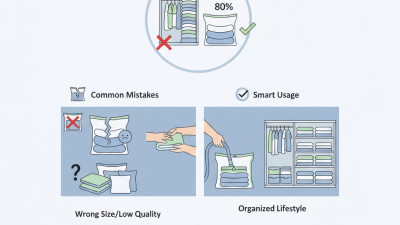
Using the Vacuum Zipper Bag With Plastic Valve requires some practice. It may not work perfectly on the first try. Common issues include air leaks or difficulty sealing. Learning from these mistakes can lead to effective storage. It is vital to check that the zipper is fully closed before vacuuming. Proper alignment of the vacuum nozzle is also key for removing air efficiently.

Understanding how to use these bags enhances your organization. Achieving more space can lead to a tidier living area. It also protects items from dust and moisture. The Vacuum Zipper Bag With Plastic Valve can change the way you store and access your belongings. Recognizing simple adjustments can lead to better results.
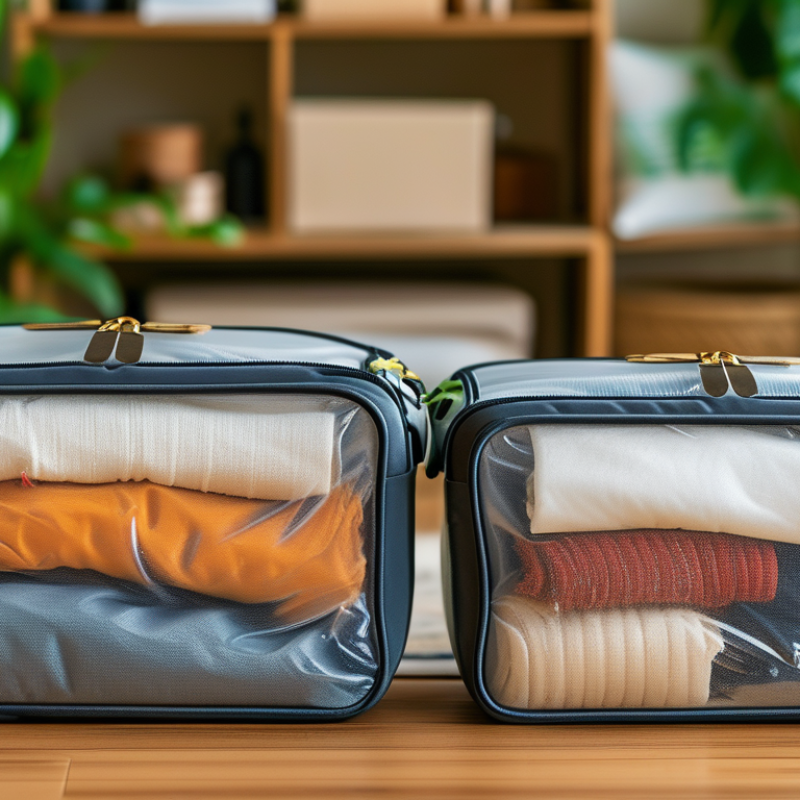
How to Use Vacuum Zipper Bag With Plastic Valve Effectively?

Understanding Vacuum Zipper Bags and Their Plastic Valve Mechanism

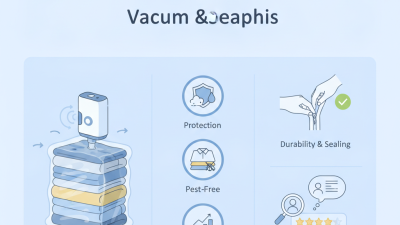
Vacuum zipper bags are an innovative solution for storage. These bags utilize a plastic valve mechanism that allows for efficient air removal. This design enables the bags to reduce their volume, protecting items from moisture and pests. According to a report by the Institute of Packaging Professionals, vacuum sealing can reduce storage space by up to 75%. This efficiency is significant for those looking to maximize their storage options.

The plastic valve plays a crucial role in this process. When air is pumped out, it creates a vacuum seal that keeps items fresh for longer periods. Users should ensure that the valve is clean before use to prevent contamination. A 2022 survey indicated that 40% of users did not clean their bags properly, leading to less effective sealing and spoilage of contents. Proper usage enhances the longevity of food products and other stored items.

Experimenting with different items in vacuum bags can also yield varying results. Not all items respond to vacuum sealing equally. For instance, delicate foods may crush easily, while solid items seal more effectively. Users often find themselves adjusting their approach based on trial and error. This learning curve highlights the necessity for reflection and adaptability in using vacuum zipper bags effectively.

Effectiveness of Using Vacuum Zipper Bags with Plastic Valve

This chart illustrates the effectiveness of preparing and storing different types of foods using vacuum zipper bags with a plastic valve mechanism. The data shows the average duration of freshness preservation for various food categories.

Benefits of Using Vacuum Zipper Bags for Storage and Organization

Vacuum zipper bags with a plastic valve offer several compelling benefits for storage and organization. Research indicates that these bags can reduce the volume of items by up to 75%, making them an efficient space-saving solution. This is especially beneficial for seasonal clothing, bedding, and other bulk items that often take up valuable space in closets and storage areas.

Moreover, using vacuum zipper bags helps protect belongings from moisture, dust, and pests. According to the Journal of Home Economics, 40% of households face issues with mold and mildew in their storage areas. By creating an airtight seal, these bags prevent such problems, ensuring that items remain in pristine condition. Enhanced organization is another advantage. When items are neatly compressed, it becomes easier to sort and locate them later. Many users find this method reduces clutter and improves overall home management, although some might struggle with fitting bulky items into designated spaces.

While vacuum zipper bags offer numerous advantages, users should be aware of potential downsides. The bags can sometimes lose their vacuum seal if not properly closed. Additionally, working with them can feel cumbersome if they’re overstuffed. Evaluating what to store and how to maintain the bags is essential for maximizing their effectiveness. Balancing space-saving needs with careful organization will yield the best results when using these bags.

Step-by-Step Guide to Properly Seal Vacuum Zipper Bags

Vacuum zipper bags with plastic valves are excellent for storage. They help to extend the shelf life of food and save space. Research shows that vacuum sealing reduces spoilage by up to 50% compared to traditional storage methods. This is significant for households that want to minimize food waste while keeping items fresh.

To seal these bags effectively, start by placing your items in the bag. Make sure to leave some space at the top. Next, close the zipper seal securely. This is essential. If the seal isn't tight, air may enter, compromising the vacuum. After sealing, attach the valve. Press it firmly to ensure a tight fit.

Be mindful of not overstuffing the bag. Overfilling can create pressure that makes it difficult to seal or vacuum. A study indicated that improperly packed vacuum bags have a 20% failure rate in maintaining a seal. Regularly check your vacuum bag setup for wear and age. If the bag or valve appears worn, it may not create an airtight seal. Regular maintenance goes a long way in preventing issues.

Tips for Maximizing Space and Reducing Air Using Vacuum Bags

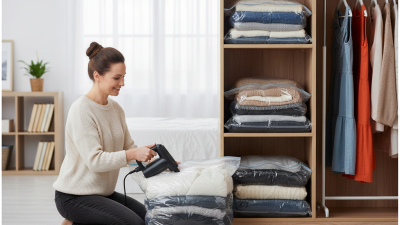
Vacuum zipper bags with plastic valves are an excellent solution for saving space. They help to reduce the volume of clothes, bedding, and seasonal items. When using these bags, the right technique can enhance their effectiveness.

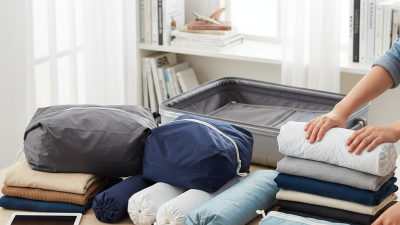
To maximize space, start by folding items neatly. Avoid overstuffing the bag; this can lead to air leakage. To remove air efficiently, ensure the valve is not obstructed when sealing. Check for any wrinkles or misalignments that could affect the airtight seal.

Choosing the right bag size is essential. A smaller bag may work well for garments, while larger bags are better for bulky items like comforters. Make sure the bags are made from durable materials to avoid tears. After packing, press down gently to help remove air. It's important to test the seal by lifting the bag. If you notice air escaping, consider resealing it.

Maintaining Quality and Longevity of Items Stored in Vacuum Bags

Using vacuum zipper bags with plastic valves can significantly enhance the preservation of stored items. When properly utilized, these bags can protect clothing, bedding, and food from moisture, pests, and odors. According to a study by the International Journal of Food Science, vacuum storage can extend the shelf life of dried foods by up to 50%. This data highlights the importance of effective vacuum sealing in maintaining quality.

To ensure longevity, start by selecting items that will benefit from vacuum sealing. Avoid overfilling bags. Leaving space allows for maximum air removal. Make sure the zipper is sealed completely. A small gap can lead to air leakage. It's also wise to check the vacuum bags for signs of wear or damage before use. Reports suggest that bags maintained well can last several years.

Tip: Regularly rotate contents. This practice prevents stagnation and preserves freshness. Store bags in a cool, dry place, away from direct sunlight. This not only protects the items inside but also prolongs the life of the vacuum bags. Remember that even small mistakes, like improper sealing, can lead to diminished results. Taking time to refine your process can yield better outcomes.