2026 How to Choose the Best Paper Vacuum Bags for Your Needs?
In recent years, the demand for Paper Vacuum Bags has significantly increased, with market research predicting a steady growth in this sector. According to a report by Grand View Research, the global vacuum bag market is expected to reach USD 2.78 billion by 2027. This growth highlights the importance of selecting the right paper vacuum bags tailored to individual needs.
When choosing paper vacuum bags, consumers often overlook key features. Factors like size, filtration efficiency, and material play a critical role in performance. A study by the American Cleaning Institute indicates that efficient filtration can improve indoor air quality by reducing allergens by up to 95%. This statistic underscores the need for thoughtful selection when investing in vacuum bags.
Despite their benefits, not all paper vacuum bags are equally effective. Some may tear easily, compromising their functionality. It’s essential to consider user reviews and expert recommendations to avoid common pitfalls. By understanding the essential aspects of paper vacuum bags, customers can ensure they make an informed choice, ultimately enhancing their cleaning experience.
Understanding Different Types of Paper Vacuum Bags Available
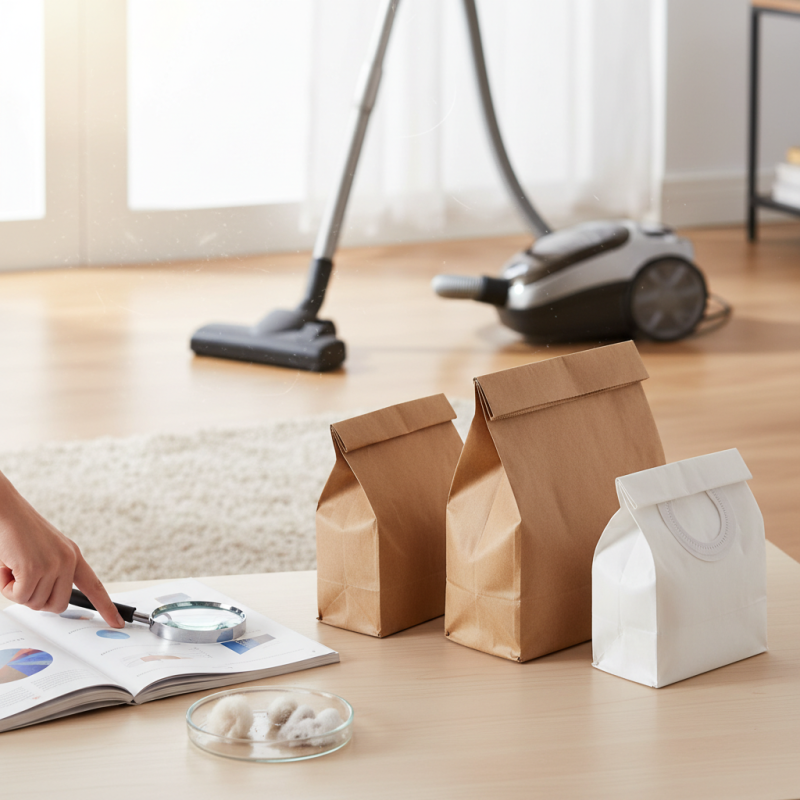
When selecting paper vacuum bags, it's crucial to understand the various types available. There are primarily two types: standard and heavy-duty. Standard paper vacuum bags are designed for everyday use. They offer adequate performance for light to moderate tasks. In contrast, heavy-duty bags are reinforced. They can withstand more significant pressure and are better suited for demanding applications. Industry reports indicate that heavy-duty bags reduce the risk of tears by up to 30%.
Material composition plays an essential role in the effectiveness of each type. Most paper vacuum bags are made from recycled paper. This not only supports sustainability but also affects durability. Some manufacturers incorporate coatings that enhance moisture resistance. A study found that bags with coatings retain effectiveness for an extended period, especially in humid environments. However, these coatings may influence cost, requiring careful consideration.
Understanding your specific needs can guide your choice. Consider the volume of waste and type of materials you'll be using. Using the wrong type of bag can lead to inefficiencies. For instance, using a standard bag for heavy waste may result in breakage. This leads to messy situations and wasted resources. Evaluating your requirements ensures that you select the most suitable paper vacuum bag for optimal performance.
2026 Paper Vacuum Bags: Types and Efficiency Comparison
Assessing Your Vacuum Cleaner Compatibility for Paper Bags
When selecting paper vacuum bags, compatibility with your vacuum cleaner is paramount. Every vacuum model has specific requirements, and using the wrong bag can lead to poor performance or damage. It's essential to check the manufacturer's specifications for your vacuum cleaner. Look for details about the type and size of bags it requires. Ensure you have this information handy when you shop for replacements.
Additionally, consider the design of the paper bags. Some bags feature multiple layers for enhanced filtration. This can be beneficial for filtering dust and allergens. However, they might not fit all models. Double-check if your cleaner supports these advanced options. Ignoring this compatibility might lead to frustration during use.
Remember, not all paper vacuum bags are created equal. Some may not maintain their structure well, leading to leaks or tears. Choose bags that are sturdy and reliable. As you explore options, be mindful of your needs. Reflect on your cleaning habits and the types of debris you often encounter. Balancing effectiveness and compatibility will lead to the best choice for your home.
Evaluating Key Features of Paper Vacuum Bags for Efficiency
When evaluating paper vacuum bags, consider their construction material. High-quality bags use dense paper that withstands wear and tear. Look for a sturdy seal and well-constructed seams. These features enhance efficiency and durability. You want bags that retain their shape when filled.
Bag size is another crucial factor. Ensure the bag fits your vacuum model well. A proper fit prevents air leaks and maximizes suction. Look for bags that can handle the volume of debris you typically collect. Too small a bag can lead to frequent changes, while oversized bags may not perform effectively.
Evaluate the filtration capabilities of the bags. Some are designed to capture fine dust and allergens. This is essential for maintaining a clean environment, especially for allergy sufferers. However, not all bags perform equally. Testing and researching bag performance can reveal insights. Pay attention to dust retention and airflow ratings for optimal results.
Determining Capacity and Size of Paper Vacuum Bags for Your Needs
Choosing the right size and capacity for paper vacuum bags is crucial. The capacity often dictates how much material you can store. A bag that is too small may require frequent changes. Conversely, an excessively large bag can lead to inefficient space use and reduced suction power. Consider your cleaning routine when selecting your bags.
Understanding the dimensions of the bag is also essential. Measure the area where you will use the vacuum. The width and length should match your vacuum's specifications. Additionally, think about the type of debris you commonly collect. Larger particles may require a larger bag for optimal performance.
Trying out different sizes may reveal unexpected challenges. You may start with a size that seems ideal but later find it inconvenient. It’s essential to reflect on your needs regularly. Adjusting bag size based on usage patterns can lead to better efficiency and satisfaction over time.
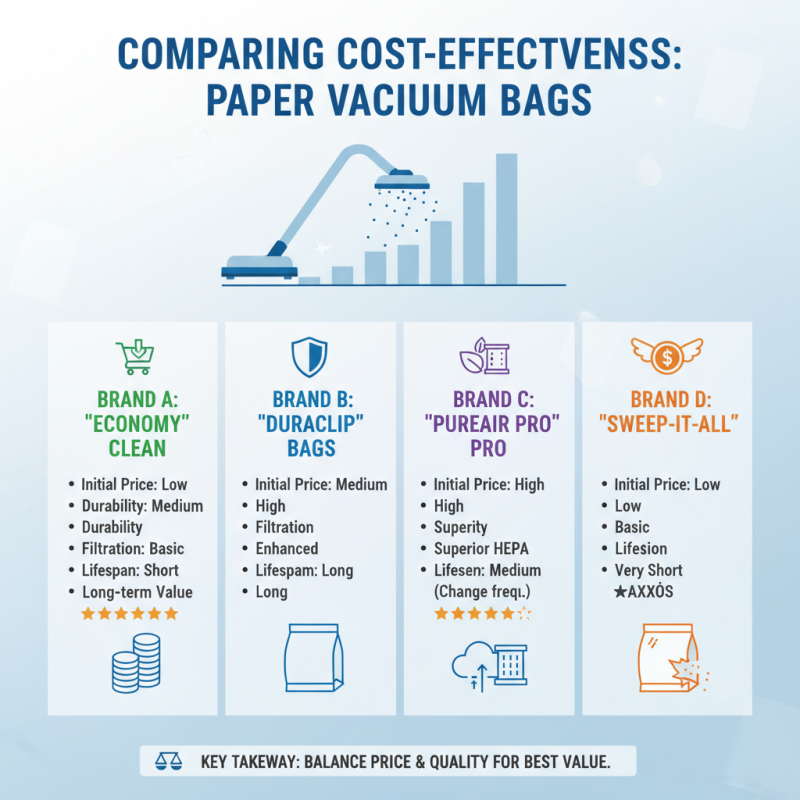
Comparing Cost-Effectiveness of Various Paper Vacuum Bag Brands
When choosing paper vacuum bags, cost-effectiveness is crucial. With many brands available, it’s essential to compare their pricing and features. Some bags may seem cheaper but lack durability. Others may have a higher initial cost but perform better in the long run. Understanding the balance between price and quality is key.
In terms of environmental impact, paper bags often have the edge. They can decompose naturally, unlike plastic options. However, not all paper bags are created equal. Some may tear easily, leading to wasted resources. It’s worth reflecting on how much you value sustainability versus upfront costs. Often, buyers may overlook the long-term savings from investing in better quality bags. You might spend more initially, but a reliable bag reduces the need for frequent replacements.
Moreover, the size and compatibility with your vacuum should not be ignored. Some bags might fit perfectly but fail to retain suction power. Others might not fit at all, causing inconvenience. Consider these factors as you evaluate your options. It’s essential to find a balance that meets both your financial and functional needs.