What is a Paper Dust Bag for Vacuum Cleaner and How Does It Work?
In the cleaning industry, the "Paper Dust Bag for Vacuum Cleaner" plays a crucial role. Renowned expert Dr. Emily Johnson states, “These bags are essential for effective dirt containment.” Many users may overlook this component, but it significantly impacts vacuum performance.
Paper dust bags are designed for efficient filtration and ease of disposal. Unlike reusable bags, they trap dust and allergens effectively. Their lightweight nature makes them simple to handle when it's time to replace them. However, many people underestimate their importance. A poorly chosen dust bag can hinder a vacuum's cleaning ability.
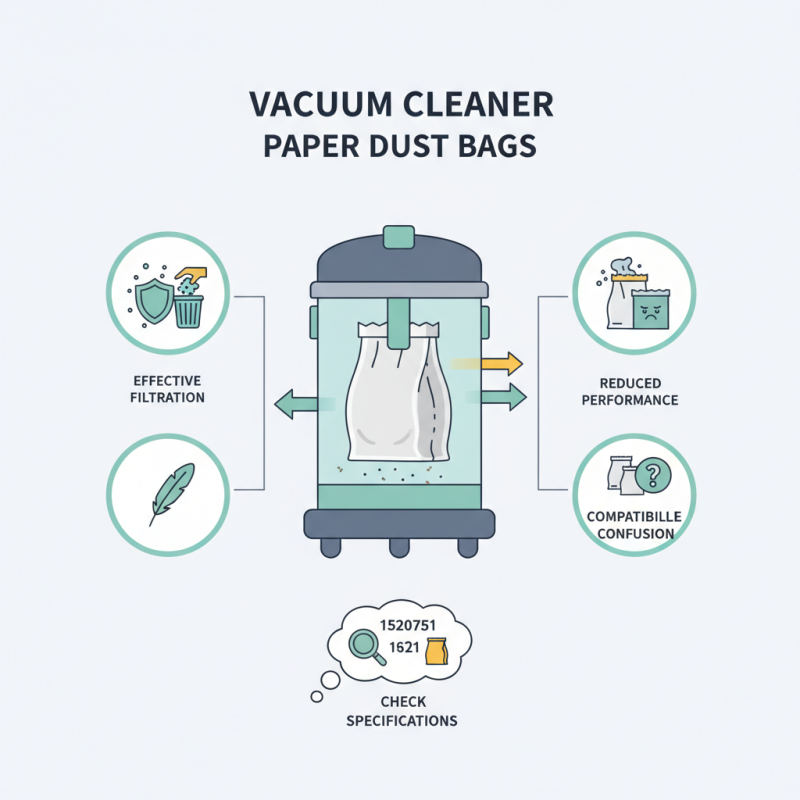
The design of these bags allows for maximum dust absorption. However, not all paper bags are created equal, which can cause confusion. For optimal results, users need to pay attention to the specifications of their vacuum models. Failing to do so can lead to frustrating cleaning experiences. It's a small detail that deserves more consideration.
What is a Paper Dust Bag for Vacuum Cleaners?
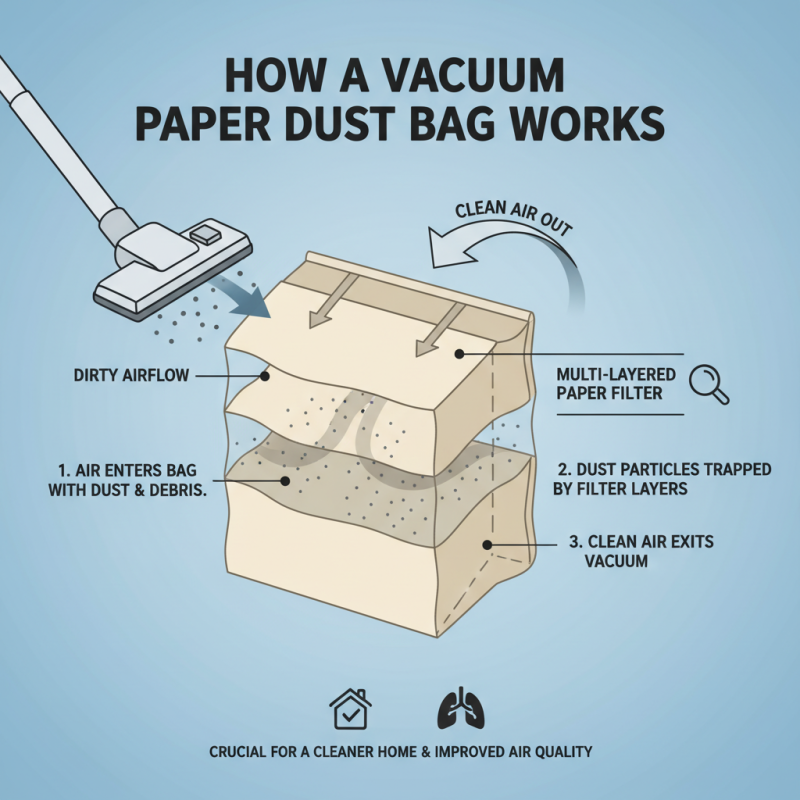
A paper dust bag is a crucial component of many vacuum cleaners. It acts as a filter for dust and debris. When a vacuum operates, air flows into the bag. Dust particles get trapped inside, keeping your home cleaner. Paper dust bags are usually made from multiple layers of paper. This design allows for effective filtration and improved airflow.
Research shows that quality dust bags can significantly improve vacuum performance. According to a study by the International Journal of Environmental Science and Technology, well-designed bags can capture up to 98% of dust particles. However, many users neglect to replace these bags regularly. As a result, vacuum efficiency decreases. Continuous use of a full bag can lead to reduced suction power and increased motor strain.
Environmental concerns also arise with paper dust bags. Manufacturing processes may have a carbon footprint. Using bags made from recycled paper may mitigate some impacts. Yet, consumers often overlook sustainable options. Awareness about dust bag recycling remains low. Shifting towards eco-friendly choices could benefit both users and the environment.
Historical Development of Paper Dust Bags in Cleaning Technology
The development of paper dust bags in vacuum cleaners is a fascinating journey. In the early days of cleaning technology, vacuum cleaners used metal filters and cloth bags. These methods often clogged easily. Dirt and dust remained trapped, reducing efficiency. The introduction of paper dust bags marked a significant improvement. They offered a lightweight, disposable option that caught tiny particles more effectively.
Initially, paper dust bags were simple. They were made from thick paper with limited filtration properties. Over time, manufacturers experimented with different materials. Some bags became multi-layered, enhancing filtration. This evolution led to better air quality in homes. However, not all advancements were perfect. Early paper bags sometimes tore, spilling debris. Users had to be cautious. They learned through trial and error.
Despite their drawbacks, paper dust bags revolutionized cleaning. They made vacuuming more convenient and hygienic. As technology progressed, many people began relying on them for daily cleaning tasks. Still, the environmental impact of disposable bags cannot be ignored. Some consumers now question their sustainability. New alternatives are emerging, but the legacy of paper dust bags remains strong in cleaning history.
How Paper Dust Bags Improve Filtration Efficiency
Paper dust bags are a common feature in many vacuum cleaners. They play a crucial role in trapping dust and allergens. Made from fine paper or a combination of materials, these bags help improve filtration efficiency. When the vacuum operates, the motor creates suction. This suction pulls air and debris inside the bag. The dust gets trapped inside, while clean air flows back into the room.
Using paper dust bags offers several benefits. They can capture small particles that other types may miss. This leads to cleaner air and a healthier environment. However, not all paper dust bags are created equally. Some may tear easily or allow fine dust to escape. It's essential to check the quality before buying.
**Tips:** Consider checking the filtration rating of the bags. Higher ratings often indicate better performance. Also, replace the bags regularly. Full bags can reduce suction power and lead to dust leaks. Keep an eye on your vacuum's performance to ensure it’s working efficiently.
Filtration Efficiency Comparison of Paper Dust Bags vs. Other Bag Types
This chart illustrates the filtration efficiency of different types of vacuum cleaner dust bags. Paper dust bags offer the highest filtration efficiency at 95%, significantly outperforming plastic and cloth alternatives. This efficiency is crucial for maintaining air quality and ensuring effective cleaning.
Comparative Analysis of Dust Collection Methods: Paper vs. Others
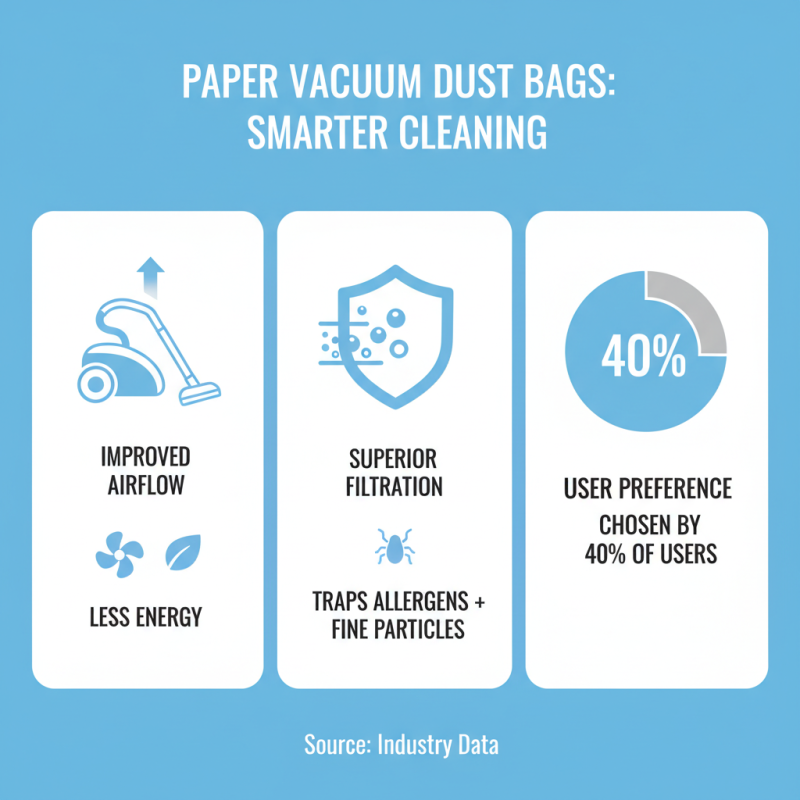
When it comes to dust collection methods, paper dust bags for vacuum cleaners have distinct advantages. According to industry data, nearly 40% of vacuum users prefer paper dust bags due to their high filtration efficiency. These bags trap fine particles, including allergens and dust mites. The design allows for a better airflow, which means less energy consumption during cleaning cycles.
In contrast, other dust collection methods like plastic containers can present challenges. They often require regular emptying, which can release previously trapped dust back into the air. Additionally, studies have shown that plastic containers can become breeding grounds for bacteria if not cleaned frequently. The convenience of disposing of paper bags aligns well with modern consumer preferences for hassle-free maintenance.
However, paper bags are not without their downsides. They can be less cost-effective over time compared to reusable containers. Some users may find them to be less durable, especially when picking up heavier debris. Considering these factors is essential for a well-rounded decision on dust collection methods. Balancing efficiency with practicality can be tricky for consumers, leading to an ongoing debate in the vacuum cleaner market.
Environmental Impact of Using Paper Dust Bags in Household Cleaning
The environmental impact of using paper dust bags in household cleaning is significant. Paper dust bags are made from natural materials, which means they can be biodegradable. According to a report by the Environmental Protection Agency (EPA), biodegradable materials can break down within a few months under optimal conditions. This is a stark contrast to plastic bags, which can take hundreds of years to decompose.
However, not all paper dust bags are created equal. Some are treated with chemicals, which can hinder their biodegradability. A study from the Waste Management Journal highlights that 30% of consumers are unaware of the treatment some paper products receive. This lack of awareness can lead to improper disposal and increased landfill waste. While paper bags are better than plastic, they are not a perfect solution.
Moreover, the production process for paper dust bags can also have a negative impact on the environment. The paper industry consumes large amounts of water and energy. A report from the Forest Stewardship Council indicates that producing one ton of paper requires over 24,000 gallons of water. This raises important questions about sustainability. Although paper dust bags are more eco-friendly than their plastic counterparts, we must consider the entire lifecycle to make informed choices.