inquiry
Leave Your Message

What is a Printed Composite Bag and Its Benefits?

In today's packaging industry, the **Printed Composite Bag** is gaining significant traction. This innovative solution merges aesthetics with functionality. According to a recent report from Smithers Pira, the global demand for composite bags is projected to grow by 4.5% annually. This trend reflects a shift towards more sustainable and visually appealing packaging options.

The versatility of Printed Composite Bags is noteworthy. They can be customized in various ways, enhancing brand visibility on store shelves. Yet, while they offer these benefits, some manufacturers face challenges in balancing durability and environmental impact. It's essential to consider the materials used. Eco-friendly alternatives are available but may increase production costs.

Market insights reveal that consumers are becoming more conscious of packaging sustainability. A survey indicated that 74% of shoppers prefer products in eco-conscious packaging. Companies must adapt to this demand. In this context, Printed Composite Bags not only meet functional needs but also align with evolving consumer preferences. However, there remains room for improvement in material sourcing and waste management within the industry.

What is a Printed Composite Bag and Its Benefits?

What is a Printed Composite Bag?

Printed composite bags are innovative packaging solutions made from multiple materials. These bags often combine polyethylene, polypropylene, and paper. This composition allows for lightweight design and enhanced durability. They are commonly used in various industries, including agriculture and retail.

One key feature of printed composite bags is their ability to showcase vibrant graphics. This can significantly improve product visibility. According to industry reports, 72% of consumers are influenced by packaging when making a purchase. Therefore, attractive designs can lead to increased sales. However, the environmental impact of these composite materials raises concerns. Many companies are moving towards more sustainable practices.

While printed composite bags offer many benefits, companies must navigate their recycling challenges. Not all facilities can process these materials effectively. A study from the Flexible Packaging Association noted that 30% of consumers are unaware of how to recycle flexible packaging. This gap presents an opportunity for brands to educate customers. Addressing this issue is essential for a sustainable future.
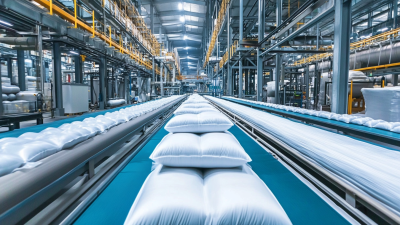
Materials Used in Printed Composite Bags

What is a Printed Composite Bag and Its Benefits?

Printed composite bags are gaining popularity for their versatility and durability. The materials used in these bags play a crucial role in their overall performance. Typically, they are made from a combination of plastic films, woven polypropylene, and paper. Each material contributes unique properties to the bag, ensuring it meets various packaging needs.

Woven polypropylene is strong and resistant to tearing. This makes it an excellent choice for heavy loads. Plastic films offer moisture resistance, which protects the contents from humidity. In contrast, paper can add a natural, eco-friendly touch to the bag. Combining these materials allows for printed composite bags that are not only functional but also visually appealing. The options for customization in design can enhance brand visibility.

While the materials are effective, there can be drawbacks. Some users may find that not all composites are recyclable. This raises questions about sustainability and environmental impact. Choosing the right materials is essential. Striking a balance between durability and eco-friendliness is an ongoing challenge. The evolution of materials in printed composite bags may lead to more sustainable solutions in the future.

Advantages of Using Printed Composite Bags

Printed composite bags have gained popularity in various industries due to their unique advantages. One major benefit is their ability to enhance brand visibility. According to a study by Packaging Strategies, products with attractive packaging can see a sales increase of up to 30%. Printed bags serve as walking advertisements, capturing consumer attention effectively.

Moreover, these bags are strong and lightweight. They can hold heavy loads while remaining easy to transport. A report from Smithers Pira indicates that flexible packaging, including composite bags, is expected to grow at a rate of 4% per year. This growth suggests that many businesses are embracing the efficiency and appeal of printed composite bags.

However, there are challenges. Some companies find it hard to balance sustainability with performance. While many bags are recyclable, not all products are designed with eco-friendliness in mind. The industry must focus on developing solutions that reduce environmental impact. Creating more sustainable options remains a critical goal. The interplay of design and practicality is an ongoing discussion in the realm of printed composite bags.

What is a Printed Composite Bag and Its Benefits? - Advantages of Using Printed Composite Bags

Feature Description Benefits
Material Composite materials, often layered with plastic and paper Durable and provides strength against breakage
Custom Printing Allows for brand logos and designs to be printed Enhances brand visibility and marketing
Sustainability Can be made from recycled materials Environmentally friendly option for packaging
Cost-Effectiveness Relatively low production costs for large volumes Affordable for businesses looking to minimize packaging costs
Versatility Suitable for various products across different industries Flexible solution for multiple packaging needs

Applications of Printed Composite Bags in Various Industries

Printed composite bags are becoming essential in various industries. Their unique structure often combines multiple materials, offering durability and flexibility. These bags are popular in food packaging, construction, and agriculture. According to a report by Smithers Pira, the global market for printed composite bags is projected to reach $5 billion by 2025. This surge indicates their growing importance in packaging solutions.

In the food industry, these bags ensure freshness and safety. They provide an airtight seal, which is vital for preserving perishable goods. In agriculture, printed composite bags are commonly used for fertilizers and seeds. They can withstand harsh conditions, making them ideal for outdoor use. A study by the Flexible Packaging Association shows that 40% of agricultural products are now packaged in composite bags. These figures reflect an increasing reliance on this type of packaging.

However, there are challenges. The recycling of composite materials can be complex. Not all facilities can process them effectively. This raises questions about sustainability. As industries shift towards more eco-friendly practices, it’s crucial to address these issues. Continuous innovation is necessary. The potential for printed composite bags is enormous, yet there are hurdles to overcome.

Applications of Printed Composite Bags in Various Industries

Sustainability and Environmental Impact of Printed Composite Bags

Printed composite bags are gaining attention for their unique benefits in various industries. They provide enhanced durability and flexibility, making them a popular choice for packaging. But what truly sets them apart is their environmental impact.

Sustainability is a pressing concern. Printed composite bags are often made from recyclable materials. This eco-friendly characteristic reduces waste in landfills. However, it’s essential to consider the entire lifecycle of these bags. While they offer advantages, the production process can still be energy-intensive. It raises questions about the carbon footprint associated with these bags.

Moreover, the biodegradability of printed composite bags varies significantly. Not all materials used break down easily in the environment. Consumers must remain vigilant and make informed choices. Choosing sustainable options is important, but it’s equally crucial to be aware of potential drawbacks. The push for greener packaging must also address these imperfect aspects to ensure a truly positive impact on our planet.