inquiry
Leave Your Message

What Is a Storage Logic Mattress Vacuum Bag?

A Storage Logic Mattress Vacuum Bag is a protective cover designed to compress and store mattresses with reduced bulk. It uses a sealed plastic barrier and controlled air removal. This can make a bulky mattress easier to move, stack, or store beneath a bed. It is not magic. Compression saves space, but it does not remove the mattress’s weight.

Understanding the bag’s construction helps users choose and handle it responsibly. Thicker plastic, reinforced seams, and a dependable valve can improve durability during storage. Before packing, inspect the mattress for moisture, stains, sharp objects, or loose hardware. A damp mattress may develop odors or mold inside an airtight bag. Dry conditions matter. Measure twice. The bag should fit the mattress without extreme stretching, which may damage its seals or fabric.

Practical experience also shows that vacuum storage requires realistic expectations. Foam mattresses may regain their shape slowly after unpacking, while springs can respond differently. Follow the manufacturer’s instructions for compression time, lifting, and reopening. Do not place heavy items on top unless the packaging guidance permits it. Keep the sealed mattress away from heat, sunlight, rodents, and rough flooring.

This guide explains how a Storage Logic Mattress Vacuum Bag works, when it is useful, and where caution is necessary. Results can vary. Product claims should be checked against verified specifications, user instructions, and the mattress warranty. A careful approach protects both the mattress and the person handling it.
What Is a Storage Logic Mattress Vacuum Bag?

Definition and Purpose of a Storage Logic Mattress Vacuum Bag

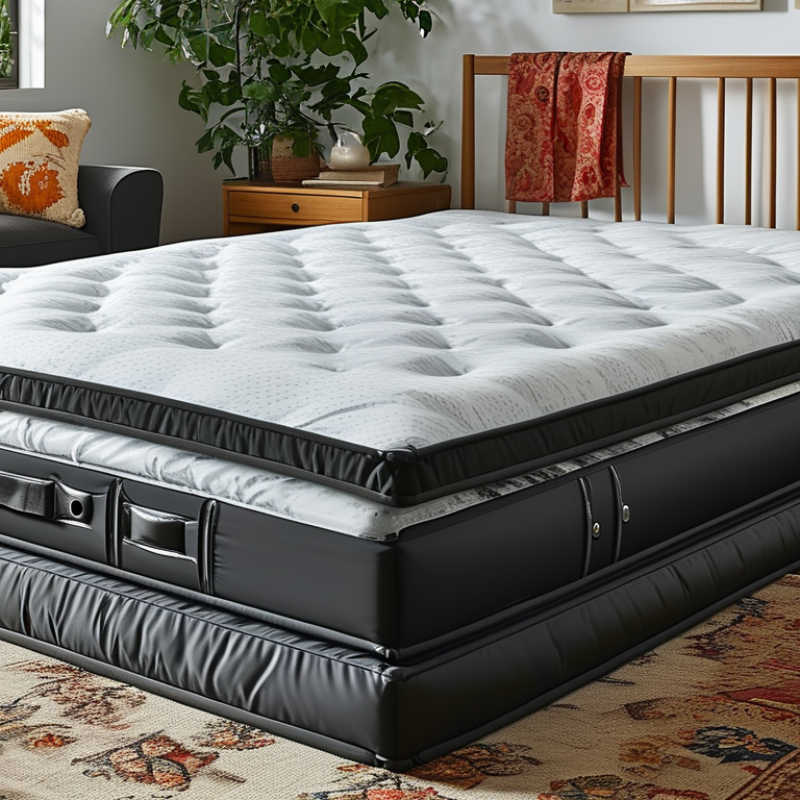
A storage logic mattress vacuum bag is a heavy-duty plastic cover designed to reduce a mattress’s size during storage. An air valve allows a vacuum pump to remove excess air. The compressed mattress becomes easier to move and takes up less closet or warehouse space. The bag also creates a barrier against dust, light spills, odors, and insects. It is useful during relocation, seasonal storage, or room renovations. However, it is not a replacement for a clean, dry storage area.

The mattress should be completely dry before sealing. Even a small amount of trapped moisture may encourage mold growth. Place the mattress flat, smooth the bag around its edges, and check the valve and seal carefully. Foam mattresses need extra care because strong compression can change their shape. Some models may not fully recover after long storage. I would avoid treating vacuum storage as a permanent solution. A breathable cover may suit extended storage better. Check the manufacturer’s care guidance when available, and inspect the mattress after opening. Let it expand in a well-ventilated room before using it. A few hours may be enough, but thicker materials can need longer.

How the Vacuum Compression and Storage Process Works

What Is a Storage Logic Mattress Vacuum Bag?

A storage logic mattress vacuum bag is a thick, airtight cover designed to reduce a mattress’s volume. It uses a valve and a household vacuum to remove trapped air. The mattress becomes flatter, but its weight remains unchanged. This difference matters when moving or storing it.

How the Vacuum Compression and Storage Process Works

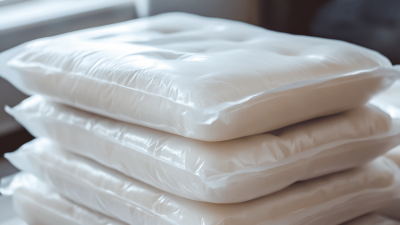
Place the clean, completely dry mattress inside the bag. Keep the mattress flat and avoid sharp bed-frame parts nearby. Close the zipper carefully, then connect the vacuum hose to the valve. As air leaves, the plastic presses evenly against the mattress surface. Stop when the bag feels firm and compact. Excessive suction may strain foam cells or create lasting creases. Not every mattress should stay compressed for months, so check its care instructions first. After sealing, store it horizontally in a cool, dry area. Avoid damp floors, direct sunlight, and heavy objects on top. When needed, open the valve and let the mattress expand naturally. This can take several hours. Sometimes, it needs a full day.

Tips

Clean first.

Use a moisture barrier underneath the bag in humid rooms. Inspect the seal after several hours, because small leaks can slowly restore the mattress’s original size. A gentle compression cycle is usually safer than forcing maximum flatness. I would also test a small section or use a spare cover first; this step feels unnecessary, but it can reveal weak seams or material sensitivity.

What Is a Storage Logic Mattress Vacuum Bag? How Vacuum Compression and Storage Works

Vacuum compression removes air from the bag and reduces the mattress volume before storage. Foam mattresses usually compress more effectively than latex, hybrid, or innerspring models. The percentages shown are practical planning ranges rather than guaranteed results because mattress materials, thickness, moisture, and bag size affect the final compression level. Always ensure the mattress is completely dry before sealing, and do not compress spring mattresses unless the manufacturer permits it.

Key Materials and Features of the Bag

What Is a Storage Logic Mattress Vacuum Bag?

Key Materials and Features of the Bag

A storage logic mattress vacuum bag is a protective cover designed to compress bulky bedding. Its main material is usually a multilayer plastic film. Polyethylene provides flexibility and moisture resistance. Nylon can improve puncture strength and dimensional stability. The exact structure varies, so checking the product specification matters.

A reliable bag should have reinforced seams and a wide airtight valve. The valve connects to a household vacuum cleaner and removes trapped air from the mattress. A double-track zipper helps prevent slow leaks during storage. Some bags include textured internal channels. These channels guide air toward the valve instead of leaving flat pockets inside.

The film should feel thick enough to resist ordinary handling. However, thickness alone does not guarantee durability. Sharp bed frames, rough floors, and overfilled bags can still cause damage. I once assumed that a stronger seal solved every problem. That assumption was too simple. Clean the zipper before closing it, and keep the mattress dry. Moisture trapped inside may create unpleasant odors or encourage surface growth.

Choose a bag slightly larger than the mattress. A tight fit can strain the zipper and seams. After vacuuming, inspect the edges and valve for air returning. Store the compressed mattress away from heat, sunlight, and sharp objects. Do not exceed the recommended compression period, especially with foam materials. Some mattresses recover slowly, and a perfect shape may not return immediately. That detail is easy to overlook.

Suitable Mattress Types and Storage Conditions

What Is a Storage Logic Mattress Vacuum Bag? Suitable Mattress Types and Storage Conditions

A storage logic mattress vacuum bag removes air and reduces a mattress’s packed volume. It can simplify moving, seasonal storage, or guest-room preparation. However, not every mattress should remain compressed for months. Memory foam mattresses are often suitable when their care instructions permit vacuum packing. Some foam toppers also recover well after unpacking. Latex, hybrid, and traditional innerspring mattresses need more caution. Their layers may deform, crease, or lose support under prolonged pressure. Check the manufacturer’s guidance before sealing them.

The storage space matters as much as the bag. Choose a cool, dry, and clean room with stable temperatures. Avoid basements, damp garages, and areas with direct sunlight. Moisture trapped inside can encourage odors or mildew. Place the sealed bag on a raised, flat surface. Do not stack heavy boxes on it. Short-term compression is generally safer than indefinite storage. I once assumed a thicker bag guaranteed protection, but poor sealing caused dust and moisture problems. That experience changed my approach. Inspect the bag regularly, even when it looks secure.

Tips: Clean and fully dry the mattress before packing. Use a low vacuum setting when possible. Leave enough room for the material to expand later. After opening, allow the mattress to rest in a ventilated room. Recovery may take several hours or longer. Some mattresses never regain their original feel completely.

What Is a Storage Logic Mattress Vacuum Bag? - Suitable Mattress Types and Storage Conditions

Mattress Type Vacuum-Bag Suitability Recommended Storage Period Suitable Storage Conditions Important Precautions
Polyurethane Foam Generally suitable when the mattress is specifically designed for compression. Short to medium term; follow the manufacturer’s instructions. Clean, completely dry, dark, and well protected from sharp objects. Do not fold or compress for longer than recommended, as permanent deformation may occur.
Memory Foam Often suitable for mattresses sold as roll-packed or compression-packed. Temporary or medium-term storage is preferred. Stable indoor temperature, low humidity, and a flat or manufacturer-approved position. Allow the mattress to return fully to its original shape before use; cold temperatures can make foam less flexible.
Latex Foam Conditionally suitable; only compress if the product instructions permit it. Short-term storage is safer than prolonged compression. Cool, dry, ventilated, and protected from direct sunlight and heat sources. Avoid excessive bending, high heat, and tight compression that may damage the latex structure.
Traditional Innerspring Usually unsuitable unless the mattress was factory-compressed. Store uncompressed whenever possible. Dry indoor storage, supported horizontally to prevent sagging. Vacuum pressure and bending can distort coils, edge support, and upholstery layers.
Hybrid Mattress Conditionally suitable; depends on its coil system and construction. Use the shortest practical storage period. Dry, temperature-controlled indoor space with adequate support. Do not independently vacuum-pack a non-compressible hybrid mattress without written product guidance.
Futon or Fiber-Filled Mattress Conditionally suitable; compression may alter loft and filling distribution. Short-term storage only unless the care label states otherwise. Very dry, clean, pest-protected, and periodically ventilated. Dry thoroughly before sealing; trapped moisture can encourage mildew and odors.
Mattress with Built-In Electronics Not recommended unless approved by the manufacturer. Follow the product-specific storage procedure. Dry indoor location, disconnected from power, with cables and controls protected. Pressure, folding, and moisture may damage wiring, sensors, pumps, or control components.
Storage Checklist: Clean and dry the mattress completely, use a puncture-resistant bag, remove as much air as the care instructions allow, keep the sealed package away from moisture and direct sunlight, avoid heavy objects on top, and inspect the package periodically for leaks or condensation.

Safe Usage, Maintenance, and Reuse Guidelines

What Is a Storage Logic Mattress Vacuum Bag?

A storage mattress vacuum bag is a thick plastic cover that removes air around a mattress. It reduces bulk and helps limit dust, moisture, and everyday odors during storage. The bag is not a repair tool. It cannot make a damp or damaged mattress safe to store.

Safe usage starts with a completely dry mattress. Check seams, valves, and the zipper before sealing. Use a compatible vacuum pump, and stop when the mattress is compressed firmly, not crushed. Excessive pressure may damage foam layers or stitching. Keep the sealed bag away from sunlight, heat sources, sharp objects, and heavy items. Store it on a clean, level surface. A mistake I sometimes see is ignoring the storage area itself. A dry bag cannot protect a mattress from a wet floor.

Tips: Label the packing date and mattress size. Inspect the bag every few weeks for air loss or condensation. If moisture appears, open the bag and dry the mattress fully. For reuse, release air slowly, remove the mattress carefully, and wipe the bag with mild soap and clean water. Let it dry completely before folding. Do not reuse a bag with torn seams, a weak valve, or persistent odor. Small damage can spread quickly. Follow the bag and mattress care instructions, because compression limits differ by material and construction.