2025 Top 5 Printed Composite Bag Innovations for Sustainable Packaging Solutions
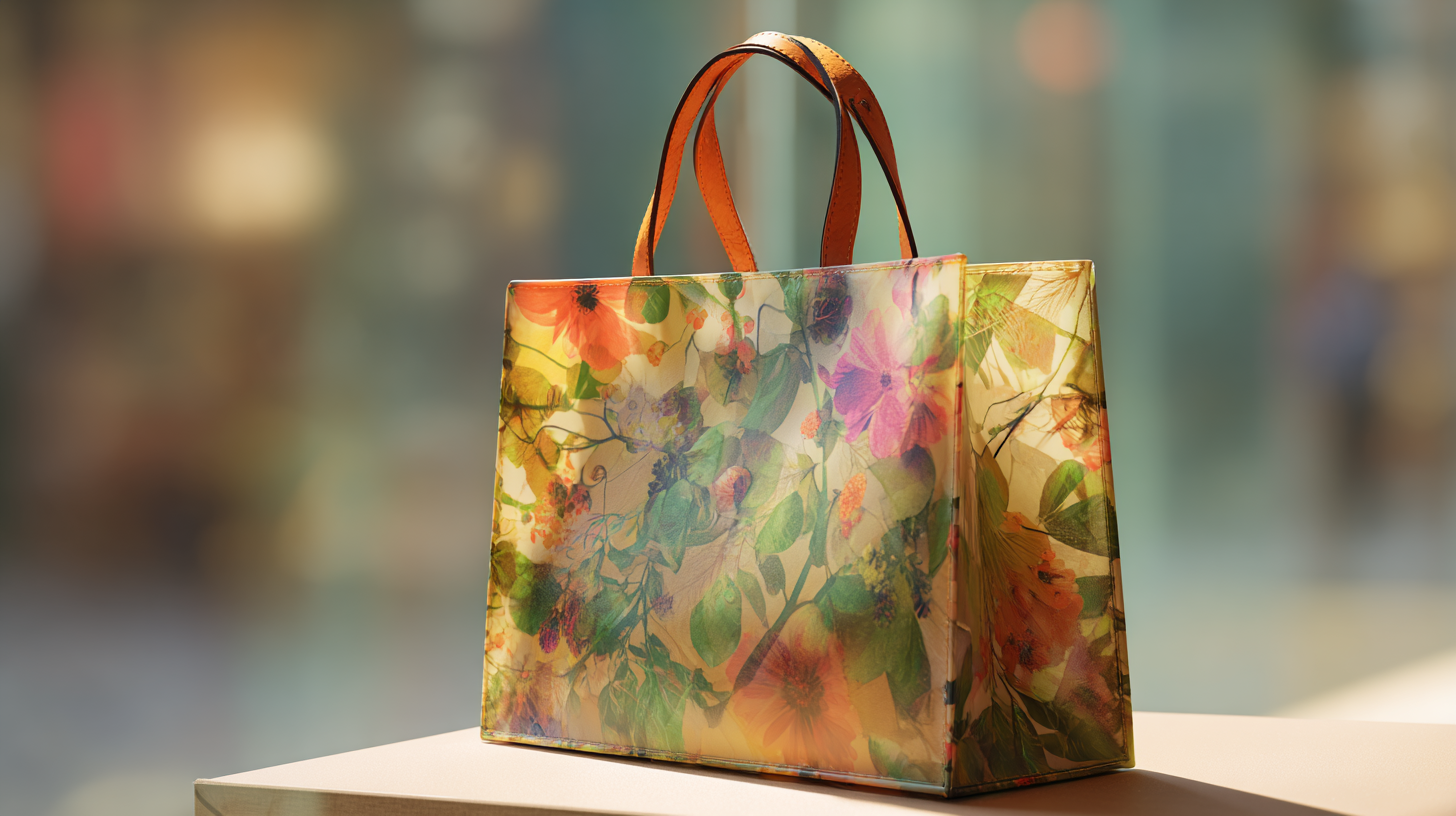
In recent years, the global shift towards sustainability has prompted businesses across various industries to seek innovative packaging solutions that minimize environmental impact. Among these advancements, the Printed Composite Bag has emerged as a revolutionary option for companies aiming to enhance their eco-friendly initiatives. This versatile packaging solution not only offers superior barrier properties and durability but also presents an opportunity for brands to elevate their marketing through customizable printed designs.
As we look ahead to 2025, it's essential to explore the top five innovations in Printed Composite Bag technology that are set to redefine sustainable packaging practices. These innovations reflect a growing commitment to reducing plastic waste and promoting circular economy principles while meeting the diverse needs of consumers and businesses alike. By emphasizing sustainability, functionality, and aesthetic appeal, these cutting-edge solutions not only contribute to environmental stewardship but also align with the evolving demands of the marketplace.
In this article, we will delve into the key features and benefits of these top 5 Printed Composite Bag innovations, showcasing how they are paving the way for a more sustainable future in packaging. Join us as we uncover these exciting developments that promise to transform not just the packaging industry, but also the way brands engage with environmentally conscious consumers.

Innovative Materials Redefining Printed Composite Bags for Sustainability
The demand for sustainable packaging solutions continues to rise as industries strive to reduce their environmental impact.
Innovative materials are at the forefront of redefining printed composite bags, which are increasingly being utilized across various sectors due to their versatility and eco-friendliness.
According to a report from Smithers Pira, the global market for flexible packaging is expected to reach $248 billion by 2025, with printed composite bags playing a significant role in that growth.
This shift is propelled by the need for lightweight, durable, and recyclable packaging options that do not compromise on performance.
Recent innovations in materials have introduced bio-based polymers and biodegradable laminates that enhance the sustainability profile of printed composite bags.
For instance, a study from the European Bioplastics organization states that the production of bio-based plastics could reduce greenhouse gas emissions by up to 30% compared to conventional plastics.
This significant environmental benefit, coupled with advancements in printing technology that allow for high-quality graphics on sustainable substrates, opens up new avenues for brands aiming to communicate their commitment to sustainability.
As consumers increasingly prioritize eco-friendly options, the evolution of printed composite bags is set to lead the charge toward a more sustainable packaging future.
Eco-Friendly Inks and Printing Techniques for Sustainable Packaging
As the demand for sustainable packaging solutions continues to rise, eco-friendly inks and innovative printing techniques are emerging as key elements in the development of printed composite bags. Advances in technology are enabling the use of water-based and soy-based inks, which minimize environmental impact while maintaining high-quality printing standards. These inks not only reduce harmful emissions but also enhance recyclability, making them a favorable choice for brands committed to sustainability.
Additionally, new printing techniques are contributing to the production of lighter and more versatile composite bags. Techniques such as digital printing offer flexibility and customization while minimizing waste during the process. This shift toward sustainable practices in printing not only caters to consumer demand but also reinforces the packaging industry's commitment to reducing its carbon footprint. By integrating eco-friendly inks and modern printing methods, companies can effectively balance functionality with environmental responsibility, positioning themselves at the forefront of the packaging innovation landscape.
Smart Packaging Features Enhancing Functionality and Sustainability
The demand for sustainable packaging solutions is significantly reshaping the cosmetics packaging market. With over 70% of brands aligning their practices with consumer preferences for eco-friendly options, there is a clear shift away from traditional materials. Although plastic remains a dominant player in the packaging landscape, innovations in printed composite bags are emerging, combining functionalities like reusability, recyclability, and improved shelf-life. These advancements not only cater to sustainability concerns but also enhance the aesthetic appeal of products, attracting environmentally conscious consumers.
Moreover, smart packaging features are gaining traction as they enhance functionality alongside sustainability. Technologies such as QR codes, NFC tags, and temperature indicators are being integrated into packaging designs, allowing brands to communicate directly with consumers and provide critical information about product usage and recycling. Such innovations not only strengthen brand loyalty but also promote responsible consumption. As the industry continues to evolve, printed composite bags with smart features will be at the forefront, driving both sustainability and consumer engagement in the market.
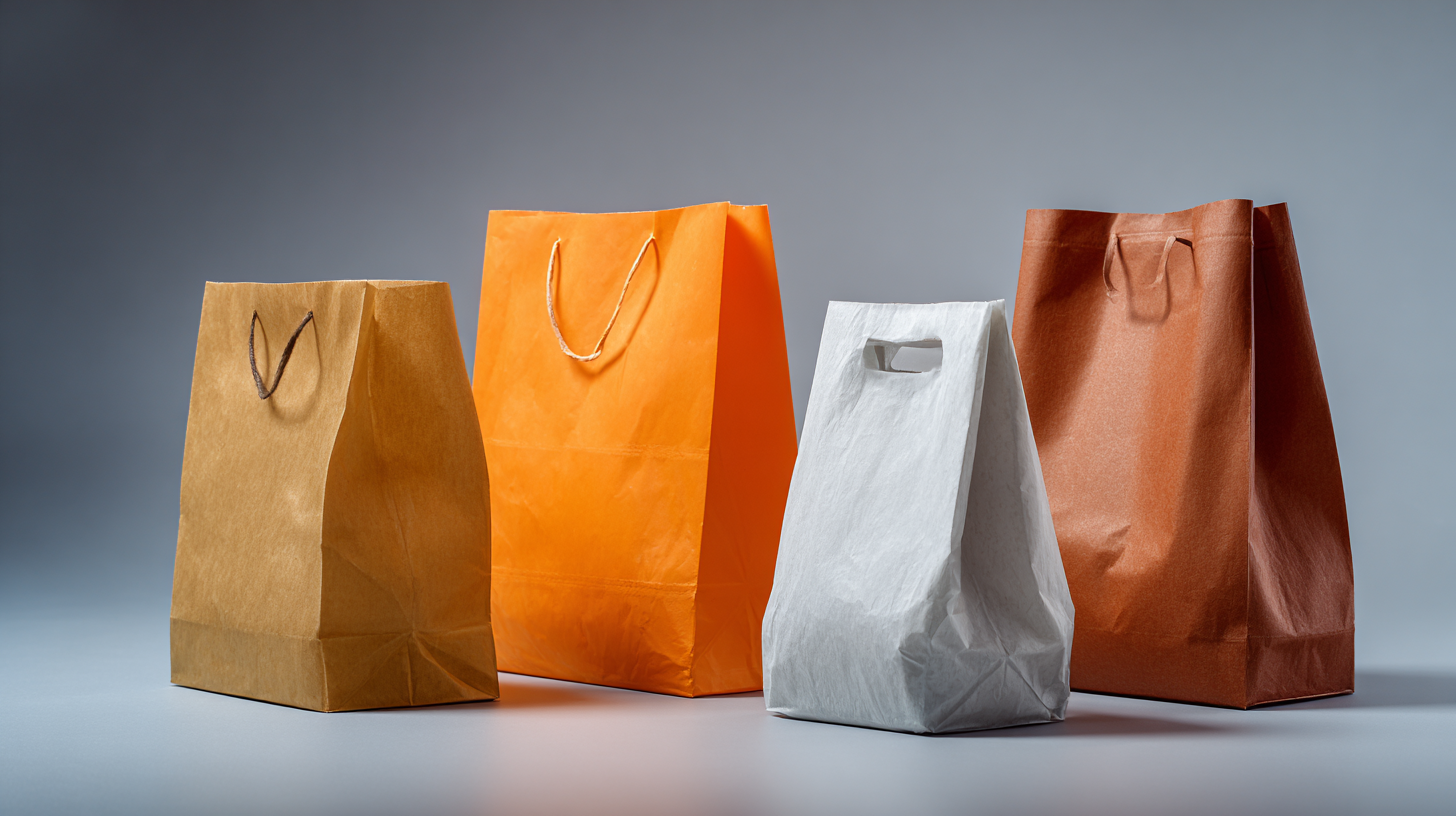
Biodegradable and Recyclable Options for Printed Composite Bags
As the global food packaging market continues to expand, reaching a valuation of $533.22 billion in 2025 and projected to soar to $815.51 billion by 2032, the focus is increasingly on sustainable solutions. The shift towards biodegradable and recyclable printed composite bags is essential for addressing mounting environmental concerns surrounding packaging waste. These innovative materials promise to meet consumer demand for eco-conscious products while also supporting business practices that prioritize sustainability.
The emergence of biodegradable options in printed composite bags represents a significant advancement in reducing plastic waste. Unlike traditional plastic bags, which can take centuries to decompose, biodegradable bags break down more swiftly in appropriate conditions, minimizing their environmental footprint. As more businesses recognize the importance of sustainable packaging, integrating these solutions not only aligns with eco-friendly values but also caters to a growing consumer base that favors companies committed to environmental stewardship. This dual benefit positions biodegradable printed composite bags as a key innovation in the sustainable packaging market.
Consumer Trends Driving the Adoption of Sustainable Packaging Solutions
As consumers become increasingly aware of environmental issues, there is a notable shift in their preferences towards sustainable packaging solutions. The demand for eco-friendly alternatives is impacting various industries, leading brands to innovate and adopt printed composite bags that not only meet functionality requirements but also resonate with consumers' values. This trend indicates a growing expectation for packaging to be both sustainable and visually appealing, as consumers seek products that reflect their commitment to the planet.
Moreover, the rise of online shopping has heightened consumer scrutiny of packaging materials. Shoppers are now more likely to choose brands that utilize sustainable packaging, influencing companies to prioritize environmentally friendly practices in their packaging processes. Printed composite bags, made from recycled or biodegradable materials, are increasingly being recognized for their potential to reduce waste and carbon footprint. As companies respond to these consumer trends, we can expect a wave of innovations in the development of packaging solutions that align with the evolving values of the modern consumer.