inquiry
Leave Your Message

Top 10 Universal Vacuum Sealer Bags for Global Buyers

Choosing the right vacuum bag can affect freshness, sealing strength, storage space, and cooking results. This guide introduces the Top 10 Universal Vacuum Sealer Bags for Global Buyers, focusing on practical compatibility rather than attractive claims. Universal Vacuum Sealer Bags should work with common external suction sealers, but “universal” does not mean identical.

Douglas Baldwin, food scientist and author of A Practical Guide to Sous Vide Cooking, writes, “Sous vide (French for ‘under vacuum’) is a method of cooking in which food is placed in a plastic pouch and cooked in a water bath.” His explanation highlights an important point: bag structure matters when heat, pressure, and moisture work together.

Good bags should offer reliable channels, clear sealing lines, and suitable thickness. A firm seal feels smooth, not brittle. The material should resist punctures from bones, frozen edges, or rough food surfaces. Small details matter.

So does machine fit.

Some products perform well with dry ingredients but struggle with juicy foods. Others save space in a freezer yet feel difficult to cut open cleanly. This comparison considers bag dimensions, texture, seal consistency, food-contact information, and everyday user experience. It also examines whether product descriptions provide enough technical detail for international buyers.

No ranking is perfect. Machine performance, storage temperature, and handling habits can change results. Buyers should still check their sealer’s manual and the manufacturer’s usage guidance. A bag that looks universal may not suit every heat-sealing system. That is the honest limitation.

The selections ahead aim to make comparison clearer, safer, and more practical for households, restaurants, meal-preparation businesses, and global sourcing teams.
Top 10 Universal Vacuum Sealer Bags for Global Buyers

What Universal Vacuum Sealer Bags Are and How They Work

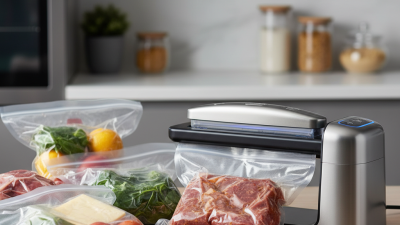
Universal vacuum sealer bags are pre-made food-storage pouches designed to fit many external suction machines. Their structure usually combines several plastic layers. One layer protects contents, while the textured surface creates tiny air channels. These channels guide air toward the machine’s suction port. The bag then collapses around vegetables, meat, dry goods, or prepared meals. The texture matters. A completely smooth pouch may block airflow on some external sealers. In practice, buyers should check bag width, length, and seal-bar capacity before ordering.

During use, place the food below the marked fill line and keep the opening clean and dry. The machine removes air through the embossed channels, then applies heat across the open edge. Heat softens the inner sealing layer and forms an airtight closure as it cools.

A firm seal should look even, continuous, and free from wet food or wrinkles. Double-sealing can improve confidence with sharp-edged contents, but it does not repair punctures. Leave enough headspace. This small detail is often missed.

“Universal” means broadly compatible, not guaranteed for every device or application. Chamber machines may require smooth pouches, while external machines commonly need channelled bags. Thickness, material type, and temperature settings also influence performance. From routine kitchen testing, bags fail most often when trapped liquid reaches the seal area or bones press against the film. A rigid container may be safer for fragile food. Users should follow storage temperatures and inspect seals before use. Packaging claims can sound more certain than real-world results. That deserves careful review.

Key Materials and Features for Reliable Food Preservation

Top 10 Universal Vacuum Sealer Bags for Global Buyers

Key Materials and Features for Reliable Food Preservation

Reliable vacuum bags begin with material selection. Most dependable designs combine polyamide for puncture resistance with polyethylene for heat sealing. A coextruded PA/PE structure can protect sharp bones, wet marinades, and frozen food. Thicker bags usually resist tearing better, but they also require stronger sealing temperatures. “Universal” is an uneasy word.

The FAO and UNEP Food Waste Index Report 2024 estimated 1.05 billion tonnes of food waste in 2022. Better packaging may reduce avoidable spoilage, but it cannot correct poor storage. Buyers should check oxygen transmission, moisture resistance, seal width, and temperature tolerance. Embossed channels can improve air removal in external suction machines. Smooth bags may suit chamber systems more effectively.

Safety needs equal attention. USDA FSIS guidance states that vacuum packaging does not make perishable food shelf-stable. Refrigeration remains essential, and frozen storage may be safer for longer periods. A clear bag helps users inspect leaks, freezer burn, or unusual discoloration. Food-contact compliance should match the destination market, since requirements differ across regions. In practical tests, a double seal often improves confidence, though it increases material use. That trade-off deserves review. A bag can look strong and still fail at a weak corner. Testing filled samples matters more than trusting specifications alone.

How to Compare Bag Sizes, Thicknesses, and Compatibility

Choosing universal vacuum sealer bags starts with accurate measurements. Measure the product, not only the storage space. Allow extra width for sealing and a small headspace above uneven items. Common sizes range from compact 15 × 20 cm bags to wider 30 × 40 cm formats. Metric measurements reduce confusion between suppliers. Measure twice.

Thickness affects puncture resistance, flexibility, and sealing performance. Thin bags can work for soft vegetables or dry portions. Sharp bones, frozen edges, and dense foods need stronger material. A practical range is often 70 to 120 microns, but thickness alone does not guarantee quality. Film structure matters too. Look for even texture and clean edges. I have seen thick bags fail when the seal area held moisture or crumbs.

Compatibility deserves careful checking. External suction machines usually require embossed channel bags, while chamber machines may accept smooth pouches. Some bags fit both systems, but “universal” is not always universal. Check the machine’s maximum width, seal bar length, and recommended bag type. Test one bag before ordering cartons. A weak seal, trapped air, or warped edge signals a mismatch. It is easy to overlook storage temperature and repeated handling. That oversight can waste more bags than choosing a slightly higher grade.

Top 10 Universal Vacuum Sealer Bags for Global Buyers

How to Compare Bag Sizes, Thicknesses, and Compatibility

The chart compares commonly sold vacuum bag dimensions with their typical nominal thickness. Smooth bags are generally used with chamber vacuum sealers, while embossed or textured bags are commonly used with external suction sealers. Bags labeled for both systems can support broader household and commercial use. Actual thickness may vary by supplier and product specification.

Top Ten Universal Vacuum Sealer Bags for Global Buyers

Top Ten Universal Vacuum Sealer Bags for Global Buyers

Universal vacuum sealer bags should fit common external suction machines and chamber-style sealers. However, no bag works perfectly with every model. Check the machine manual before ordering large quantities. A practical top-ten selection may include embossed rolls, pre-cut pouches, freezer bags, heavy-duty bags, small snack bags, wide meal bags, reusable bags, boil-safe pouches, puncture-resistant bags, and commercial-size options. Each type serves a different storage task.

Look for food-contact documentation, clear material specifications, and stable sealing temperatures. Multilayer construction can improve oxygen resistance and reduce leaks. A textured channel should remove air without collapsing easily. Test one sample with a damp item, a sharp-edged bone, and a frozen portion. The result may surprise you. Some bags seal well but wrinkle near the edge. Others look strong but split after freezing. Buyers should also confirm roll width, bag thickness, and storage temperature limits. Requirements can vary between countries, so supplier records matter.

Tips:

Leave at least eight centimeters above the food. Wipe the sealing area completely dry. Use double seals for oily or heavy contents. Do not assume “universal” means unlimited compatibility. Compare test results, certificates, and replacement availability before placing a bulk order. A small trial order is often wiser than a confident guess.

Safe Usage, Storage, and Maintenance Guidelines

Top 10 Universal Vacuum Sealer Bags for Global Buyers

Safe Usage, Storage, and Maintenance Guidelines

Choose bags that match your sealer’s width, sealing temperature, and vacuum strength. “Universal” does not always mean compatible. Check the material, thickness, and food-contact instructions before use. In routine packing, leave at least eight centimeters above the contents for a clean seal. Keep liquid below the seal line. Chill soups, sauces, and marinades before vacuuming, or freeze them briefly first. A wet sealing area can cause leaks.

Use clean, dry hands when handling each bag. Remove sharp bones, shells, and rough edges, or cover them with a soft food-safe layer. Never use a damaged, cloudy, or swollen bag. Do not heat a sealed bag unless its instructions specifically permit cooking or reheating. Some materials soften quickly. That detail is easy to overlook. After sealing, label the date and contents, then store food at the proper refrigerated or frozen temperature. Vacuum packaging slows spoilage; it does not make food permanently safe.

Wipe the sealer’s sealing strip and vacuum channel after every session. A damp cloth is usually enough, but follow the machine’s care instructions. Let removable parts dry fully before reassembly. Inspect seals for wrinkles, crumbs, or trapped moisture. I have seen a perfect-looking bag fail because one tiny crumb crossed the seal. Store unused bags flat, away from sunlight, heaters, and insects. Avoid heavy objects on top, which can create permanent creases. If the machine sounds strained or loses suction, stop and inspect it rather than forcing another cycle.