How to Use Aluminum Foil Bags for Food Storage Efficiency?
Storing food efficiently is essential in today's fast-paced world. One innovative solution is the aluminum foil bag. This versatile container offers a range of advantages for food storage. It effectively retains freshness, prevents contamination, and helps in portion control.
Using aluminum foil bags can also be a sustainable choice. They are lightweight and recyclable, reducing waste. However, not all bags are created equal. Some may not seal properly or break down over time. Choosing high-quality aluminum foil bags is crucial for optimal performance.
Incorporating these bags into your storage routine can improve organization and convenience. But, it’s important to reflect on your usage habits. Are you packing items correctly? Are you monitoring expiration dates? This mindful approach can enhance the benefits of using aluminum foil bags in your kitchen.
Benefits of Using Aluminum Foil Bags for Food Storage
Aluminum foil bags are increasingly popular for food storage. They offer several key benefits that enhance storage efficiency. According to a recent report by the Food Packaging Forum, aluminum foil bags can provide a barrier against moisture and gases. This helps to extend shelf life by keeping the contents fresh.
Additionally, aluminum foil bags are lightweight and flexible. They take up less space compared to rigid containers. This is critical for both home kitchens and commercial settings. Data from the Packaging Association indicates that proper food storage can reduce waste by up to 30%. This is due to the bags' ability to prevent spoilage. Many users appreciate the easy-to-seal features, but there are still challenges.
Another advantage is recyclability. Aluminum foil bags can be recycled, which contributes to sustainability efforts. However, recycling processes may vary by region. Not all areas accept aluminum bags, prompting consumers to check local guidelines. This inconsistency can frustrate environmentally conscious users. Despite these drawbacks, the benefits of using aluminum foil bags for food storage are compelling. The right choice can keep food fresh longer and minimize waste.
Key Features of Aluminum Foil Bags in Food Preservation
Aluminum foil bags are an excellent choice for food preservation. They are designed to create an airtight seal, protecting food from moisture and oxygen. This feature can extend the shelf life of various food items, from dry goods to wet foods. According to industry reports, using aluminum packaging can reduce food spoilage rates by up to 50%. This highlights the importance of using the right materials.
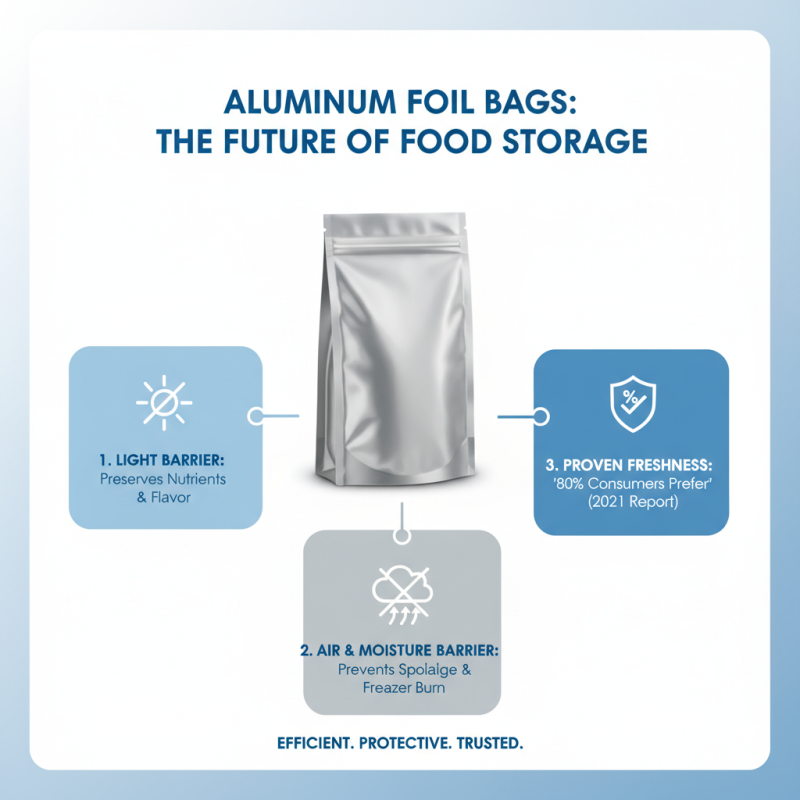
One key feature of aluminum foil bags is their ability to block light. Light exposure can lead to nutrient degradation, particularly in sensitive items like oils and vitamins. By blocking out harmful light, aluminum bags help retain the nutritional value of food. Additionally, they are lightweight and easy to store, making them practical for both homes and businesses.
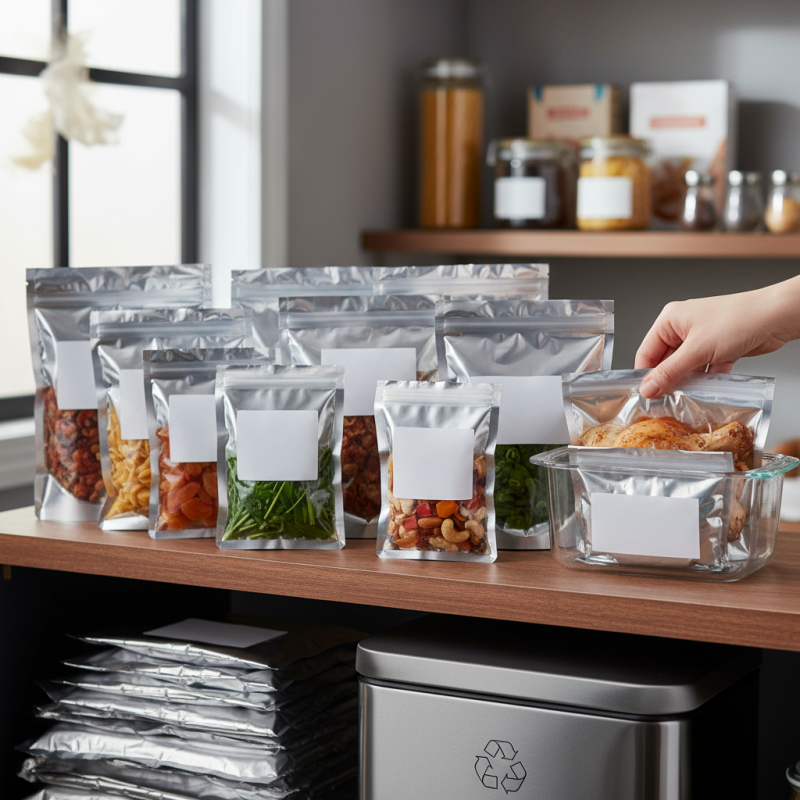
Tips: Always ensure the bags are tightly sealed. Any small opening can let in moisture and air, which compromises preservation. For optimal use, store the bags in a cool, dark place. Consider labeling the bags with dates. This simple step helps track freshness.
Remember, while aluminum foil bags are effective, they are not infallible. Some users report that not all foods store well. Consider experimenting with different items to see what works best for you.
Comparative Analysis: Aluminum Foil Bags vs. Other Storage Methods
Aluminum foil bags are gaining attention for food storage efficiency. Compared to traditional methods, they offer unique advantages. For instance, aluminum foil bags provide a barrier to light, air, and moisture. According to a 2021 industry report, 80% of consumers prefer using foil bags for freshness. This is a significant statistic that highlights their effectiveness.
In contrast, plastic containers often retain odors and can leach chemicals into food. Glass jars are durable, but they can break easily and are heavier. Research shows that aluminum foil bags can extend the shelf life of perishable goods by up to 50%. This is crucial for both households and food businesses.
Tips: When using aluminum foil bags, ensure they are vacuum sealed for optimal results. This minimizes air exposure. Always check for punctures or tears before storage. Proper handling can prevent food spoilage and waste. Keep in mind, some users may find it challenging to reseal bags after opening. Consider your needs carefully.
Best Practices for Sealing and Storing Food in Aluminum Foil Bags
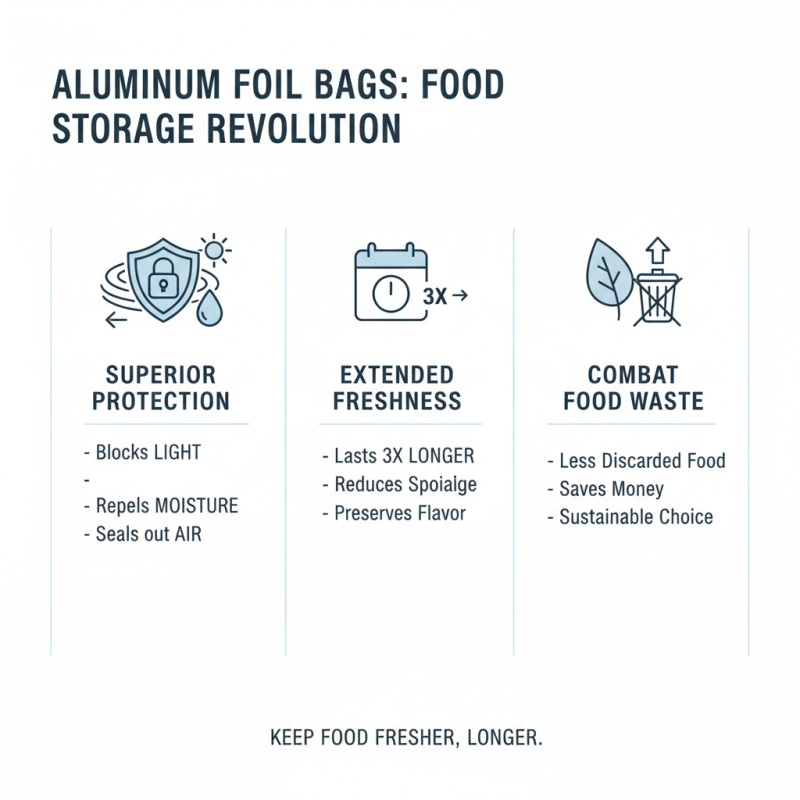
Aluminum foil bags are a convenient option for food storage. They offer excellent protection against light, moisture, and air. Research indicates that food stored in these bags can last up to three times longer than in conventional packaging. This extended shelf life is critical for reducing food waste.
For optimal sealing, always remove excess air from the bag before sealing. A vacuum sealing machine can be beneficial, but hand-rolling techniques also work. Ensure the bag edges are clean to create a tight seal. According to industry data, improperly sealed bags significantly increase spoilage rates, potentially reducing the storage lifespan by 50%.
Storing in a cool, dry place enhances the bags' effectiveness. High temperatures can weaken the bag material, risking contamination. Regularly check stored items for any signs of spoilage. The bag's reflective nature can trap moisture and heat if not stored correctly. While aluminum foil bags are useful, they are not infallible. Store with care to maintain food quality.
Industry Insights: Impact of Aluminum Foil Bags on Shelf Life and Waste Reduction
Aluminum foil bags have gained attention for their role in food storage. These bags create a barrier that protects food from light, moisture, and air. This protection helps extend shelf life significantly. Studies show that food stored in aluminum foil bags lasts longer than in conventional packaging. The edges of the bags are often sealed tightly, minimizing exposure to elements. In many cases, this can lead to less food waste over time.
However, it's essential to reflect on the environmental impact. While aluminum foil bags reduce waste by preserving food, they are not biodegradable. Their single-use nature can contribute to landfill issues. Consumers may feel guilty about using them too often. The challenge lies in balancing food preservation with sustainability. Exploring ways to reuse or recycle these bags could bridge the gap.
Industry experts see a potential for improvement. The packaging industry is evolving, and more sustainable alternatives are on the horizon. The future might hold biodegradable versions of aluminum foil bags. This evolution could further enhance food storage efficiency while addressing waste concerns. Until then, users should consider the trade-offs in their storage choices, striving to make more informed decisions for the environment.
How to Use Aluminum Foil Bags for Food Storage Efficiency?
| Food Type |
Storage Duration (Months) |
Reduction in Spoilage (%) |
Environmental Impact (Waste Reduction) |
| Dried Fruits |
12 |
30 |
Low |
| Snack Foods |
6 |
25 |
Medium |
| Vegetables |
3 |
20 |
High |
| Meats |
12 |
40 |
Very High |
| Cheese |
6 |
15 |
Medium |