How to Use Vacuum Zipper Bags with Plastic Valve Effectively?
In today's world, efficient storage solutions are essential. Vacuum Zipper Bags with Plastic Valve have gained popularity for their convenience and effectiveness. Expert Lisa Martinez, a storage solutions specialist, emphasizes, "These bags maximize space while keeping items safe."
Using a Vacuum Zipper Bag with Plastic Valve can seem straightforward. However, many users make common mistakes. Not removing enough air or not sealing properly can reduce effectiveness. Proper technique is crucial for optimal results.
When packing items, pay attention to details. Ensure the bag is clean and dry. Overstuffing can lead to leaks and compromised seals. The vacuum valve is essential for maintaining an airtight environment. With practice, users can master this method, leading to better organization and longevity of stored items.
Understanding Vacuum Zipper Bags and Plastic Valves
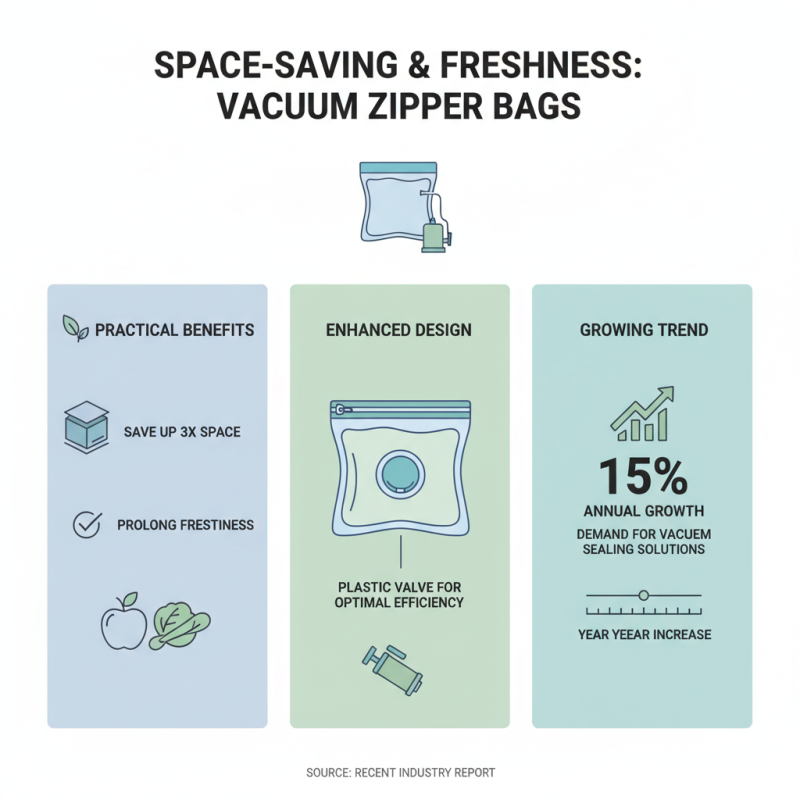
Vacuum zipper bags are a practical solution for saving space and keeping items fresh. They come with a plastic valve, which enhances their efficiency. According to a recent industry report, the demand for vacuum sealing solutions has grown by 15% annually. This indicates a clear trend towards more efficient storage methods.
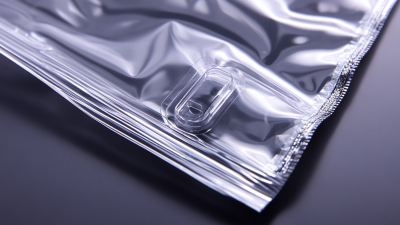
Understanding how these bags work is essential. The plastic valve helps remove air from the bag, creating a vacuum seal. This process not only preserves food but also protects textiles from moisture and pests. However, improper use can lead to complications. For instance, if the zipper is not sealed properly, air could seep back in, degrading the contents. A study showed that improperly sealed bags could lose up to 30% of their effectiveness over time.
Maintaining the bags is crucial for their optimal performance. Regularly checking the seals and valves ensures they work effectively. Neglecting small damages can result in wasted space and spoiled food. Users often underestimate the wear over time, which can affect performance. Being mindful of these details can improve storage outcomes significantly.
Benefits of Using Vacuum Zipper Bags with Plastic Valves
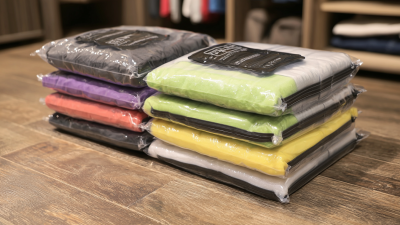
Vacuum zipper bags with plastic valves are great for storage. They help save space by compressing items effectively. You can pack clothes, bedding, or seasonal items without taking up too much room. This makes finding storage solutions easier, especially in small areas.
Another benefit is the protection they offer. These bags are airtight, preventing moisture and pests from ruining your belongings. Imagine pulling out your winter sweaters in spring, and they smell fresh and clean. However, mishandling can lead to leaks. Be gentle when sealing and opening the valves.
Using vacuum zipper bags also promotes organization. It’s easy to label each bag. This way, you can quickly find what you need. Despite their many advantages, some users might struggle with vacuuming out air effectively. Practice makes perfect here. Understanding the right technique matters. Each bag can be a little different.
Step-by-Step Guide to Packing Items in Vacuum Zipper Bags
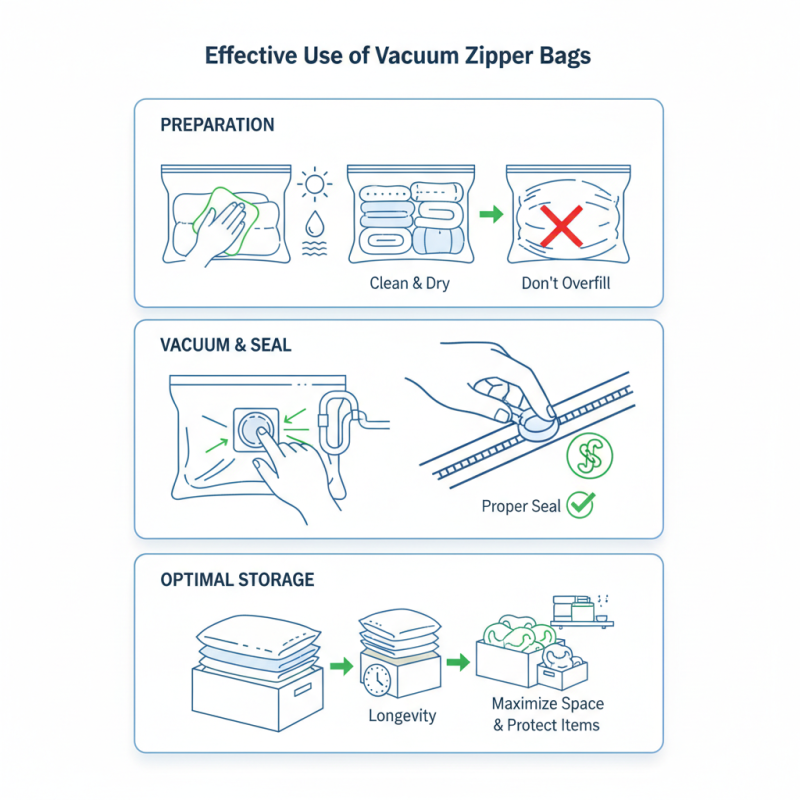
Packing items in vacuum zipper bags can be a smart way to save space and protect your belongings. Start by gathering all the items you want to pack. Consider using vacuum zipper bags for clothes, blankets, or seasonal items. Make sure everything is clean and dry. This helps avoid mold and odors when sealed.
Place the items into the bag. Don’t overstuff it; items need room to compress. After sealing, use a vacuum to remove air. The bags will shrink down, saving space in your closet or suitcase. If you’re using the valve method, ensure the valve is clean. Sometimes, they can jam or fail. Test it the first time to avoid frustration later.
**Tips:** Always check the seal before storing. Air leaks can happen. If you notice anything unusual, reseal the bag. When unpacking, stay organized. It’s easy to lose track of items once the bags are opened. Label your bags clearly to find items quickly. Consider how long you plan to store them. Longer storage might require more care.
Effectiveness of Vacuum Zipper Bags in Different Packing Scenarios
Proper Techniques for Removing Air Using Plastic Valves
Using vacuum zipper bags with a plastic valve is a game changer for storage. These bags save space while keeping items fresh. However, mastering the air removal process can be tricky. It’s important to follow proper techniques so you can enjoy their full benefits.
Start by filling the bag but don’t overstuff it. Leave some space at the top for the zipper to close properly. Once filled, seal the zipper about 90%. This small gap allows air to escape when you initiate the vacuum process. It’s crucial not to skip this step; otherwise, air might get trapped inside, rendering the vacuum ineffective.
Next, attach the vacuum nozzle to the plastic valve. Ensure a snug fit. If it feels loose, you may not achieve optimal air removal. Press down on the bag while vacuuming to help force the air out. Watch for any bulging or odd shapes; they can hinder air removal. After vacuuming, quickly seal the zipper completely. Sometimes, the valve may require a gentle tap to ensure all air has escaped.
Best Practices for Storing Vacuum-Sealed Bags for Longevity
Vacuum-sealed bags can extend the life of food and other items. Proper storage enhances their effectiveness. When using vacuum zipper bags with plastic valves, consider how you stack them. Lay each bag flat when storing. This avoids creases, which may compromise the seal. You want to prevent air leaks.
Temperature plays a crucial role in longevity. Keep bags in a cool, dry place. Moisture can damage the seals over time. Remember, sunlight can degrade plastic. Dark cabinets or pantries are ideal. If bags are exposed, they may develop holes or weak spots.
Even with the best practices, some mistakes happen. Rushing the sealing process can lead to air pockets. Double-check your bags before storing. Regularly inspecting the bags is wise. It helps catch potential issues early. Use this method wisely, and your vacuum-sealed bags will serve you well for a long time.