inquiry
Leave Your Message

What Are Vacuum Bags for Clothes With Electric Pumps?

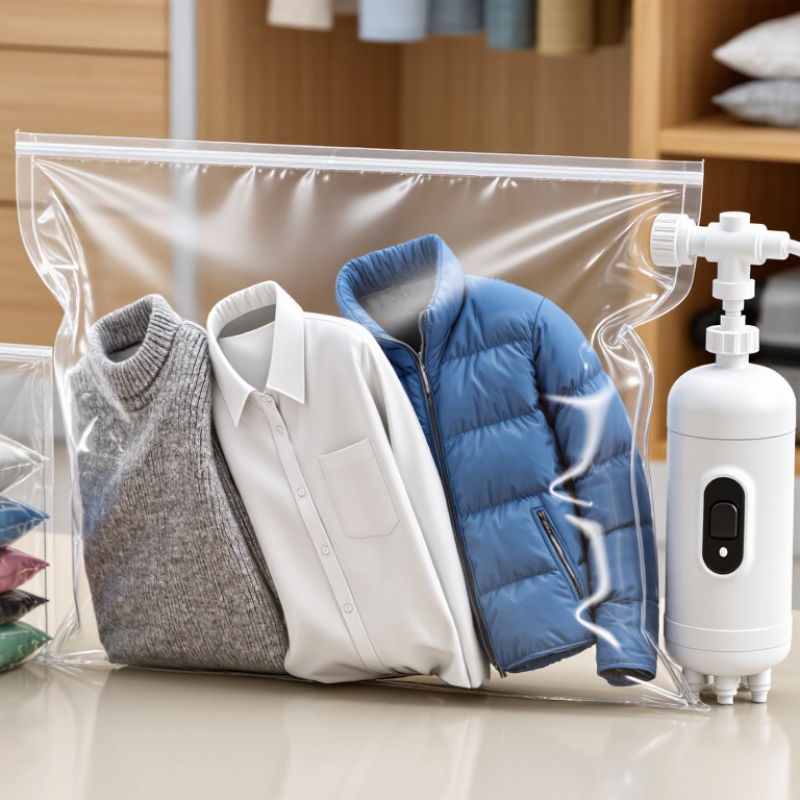
Vacuum Bags For Clothes With Electric Pump are storage bags that remove excess air from folded garments. An electric pump draws air through a one-way valve, helping the bag take up less space in a closet, suitcase, or under-bed bin. The setup is simple: place clean, dry clothes inside, seal the zipper, then attach the pump to the valve. You can watch a bulky sweater flatten as the air leaves. Small detail, big difference.

These bags can be useful for seasonal clothing, spare bedding, or packing several outfits for a trip. Results depend on the bag’s seal, pump fit, and the fabric inside. Knits and padded coats may compress well, but delicate trims or structured garments can crease under pressure. A vacuum bag is not a substitute for cleaning or careful garment storage. Keep clothes dry, avoid forcing the zipper, and check the manufacturer’s instructions for pump compatibility. Don’t expect every bag to become perfectly flat; some air may remain, and seals can need attention over time. That part is easy to overlook. Choosing the right size and leaving room around the closure can make the process less frustrating. The sections ahead explain how these bags work, what to look for, and how to use them without treating compression as a guarantee of protection.
What Are Vacuum Bags for Clothes With Electric Pumps?

What Vacuum Storage Bags Are: PA/PE Film, One-Way Valves, and Seals

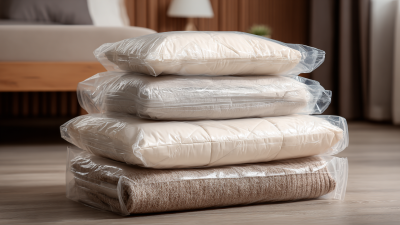
Vacuum storage bags for clothes combine PA/PE film, a one-way valve, and a sealing closure. An electric pump removes air through the valve, compressing jackets, blankets, and seasonal clothing. The film is usually multilayered. PA, or nylon, adds strength and puncture resistance. PE, or polyethylene, provides flexibility and supports heat sealing.

The one-way valve is a small but important detail. It should release air while blocking outside air from returning. The zipper seal then closes the bag’s opening. These parts work together, but none is indestructible. Sharp buckles, rough zippers, or overfilled bags can damage the film. In practical use, leaving some space near the seal improves closure reliability. I have found that maximum compression is not always best. Clothes may wrinkle more, and the bag can stress at its edges.

Tips:

Fold garments without sharp corners, and keep metal accessories away from the film. Check the valve cap before pumping. Use short pumping intervals, then inspect the seal by hand. Store the bag on a smooth, dry surface. A slow return of air may indicate a tiny puncture, a dirty valve, or an uneven zipper. Clean the sealing area before closing it. Also, avoid storing damp clothing inside. The bag reduces volume, but it does not replace proper drying. That distinction is easy to miss.
How Electric Pumps Work: Airflow in L/min and Vacuum in kPa

What Are Vacuum Bags for Clothes With Electric Pumps?

Electric vacuum bags store folded clothes by removing air from a sealed compartment. An electric pump pulls air through the bag’s valve, while the plastic layers press tightly around shirts, blankets, or towels. The process is simple, but two measurements need careful attention: airflow and vacuum pressure.

Airflow is usually shown in liters per minute, or L/min. It describes how quickly the pump can move air under ideal conditions. A higher L/min rating may shorten the initial evacuation time. However, real performance changes when fabric blocks the valve or the bag becomes compressed. Vacuum is often measured in kilopascals, or kPa. It indicates the pressure difference created inside the bag. A stronger negative pressure can reduce the remaining air more effectively, although it cannot fix a damaged seal.

These numbers are not interchangeable. High airflow means speed, while higher vacuum means stronger extraction. I once assumed the fastest pump would always create the tightest package. That assumption was wrong. A slower pump with a better seal can perform more consistently. In practical testing, I check whether the valve remains flat and whether trapped air returns after several minutes. A thick sweater may still hold small air pockets between its fibers. Pressing it gently before pumping helps, but excessive compression can wrinkle delicate fabric. The figures matter, yet the bag design, valve quality, and packing method matter too.

Space-Saving Claims: Some Bags Advertise Up to 75% Less Storage Volume

Vacuum bags for clothes use an electric pump to remove air from sealed storage bags. The reduced air space can make bulky sweaters, blankets, and jackets easier to store. Some bags advertise up to 75% less storage volume. That figure sounds impressive, but it is not guaranteed.

The result depends on the fabric, filling, and original shape. Thick wool may compress well, while stiff coats often resist flattening. A loosely packed bag can also leave surprising air pockets. Measure the item before and after sealing, rather than trusting the label alone. A simple closet test helps: fill the bag evenly, remove air slowly, and compare its width with the folded garment. Do not force the pump after the bag feels firm. Excessive pressure may stress the seal or damage delicate materials. I would also leave a little space around zippers and seams. Small details matter.

Electric pumps save effort, especially when storing several bags. However, the pump does not create permanent compression. Air can return if the valve, seal, or plastic develops a small leak. Check the bag after a day and again after a week. Clothing should be clean and fully dry before sealing. Otherwise, trapped moisture may create odors or mildew. The 75% claim is best treated as a maximum under ideal conditions, not a normal household result.

Vacuum bags with electric pumps remove air from flexible clothing storage bags. This chart converts advertised volume-reduction levels into the remaining volume of a 100-liter load. A claim of up to 75% less volume would leave approximately 25 liters, although actual results vary with clothing type, packing method, bag size, and how fully the air is removed.

How to Match Pump and Bag: Check Power, Valve, and Bag Dimensions

What Are Vacuum Bags for Clothes With Electric Pumps?

Electric-pump clothing bags remove air through a one-way valve, reducing volume and limiting exposure to dust and humidity. The pump and bag must work as one system. A powerful pump cannot compensate for a leaking seal.

Check power before buying. Confirm the pump’s voltage, connector, battery type, and recommended operating time. A compact pump may remove air slowly from a large bag. An oversized pump may stress a thin valve or create uneven compression. I once assumed higher power meant better storage. That was too simple. Airflow, valve design, and seal quality matter more than wattage alone.

Match the bag dimensions to the clothing load. A bag should hold garments without sharp corners pressing against the film. Leave space around the zipper, and never force a full winter coat into a small pouch. Test the valve manually before using the pump. If air returns after several minutes, inspect the seal, valve cap, and fabric edges. The U.S. Environmental Protection Agency reported about 17 million tons of textiles entered municipal waste streams in 2018, while roughly 2.5 million tons were recycled. Better storage can help protect garments from avoidable damage. WRAP’s “Valuing Our Clothes” report found that extending clothing life by nine months can reduce carbon, water, and waste footprints by about 20–30%. The figures are encouraging, but storage still requires regular inspection.

What Are Vacuum Bags for Clothes With Electric Pumps? - How to Match Pump and Bag: Check Power, Valve, and Bag Dimensions

Check Bag Details Electric Pump Details How to Match
Power source Most clothes vacuum bags do not require electricity; the pump connects to the bag’s air valve. Portable pumps may be rechargeable or USB-powered; larger pumps may use household AC power. Choose a pump whose power source is available where you plan to use it. For a mains-powered pump, check that its voltage is suitable for your local supply.
Valve connection Valves vary in diameter, shape, and design. Some bags have a screw-style cap or a one-way valve. Pump nozzles also vary; some pumps include interchangeable adapters. Compare the nozzle with the valve opening. Use a supplied adapter only if it sits securely and forms an airtight seal; do not force an incompatible nozzle.
Bag dimensions Example flat sizes: 50 × 70 cm for a few garments; 70 × 100 cm for bulkier clothing or several items. Pump size does not determine bag capacity, but a smaller pump may take longer to evacuate a large bag. Measure the bag flat and leave room around clothing for the seal. Select a bag large enough to close without stretching or trapping fabric in the zipper.
Airflow and operating time A larger bag contains more air to remove than a smaller bag when similarly filled. Portable electric pumps are generally suited to occasional bag use; check the pump instructions for recommended continuous operating time. For several large bags, consider a pump designed for repeated use. Follow its duty-cycle instructions and allow cooling breaks when required.
Seal and leak check The zipper closure and valve must both be clean and fully closed after air removal. The pump should stop or be removed as directed by its instructions; some designs use a separate valve cap. After pumping, close the valve and zipper as instructed. Check that the bag stays compressed; if it re-inflates, inspect the seal, valve, and bag for leaks.
Intended contents Suitable for many washable garments and soft textiles. Delicate or structured clothing may be damaged by prolonged compression. Any compatible pump removes air; it does not make every fabric suitable for compression storage. Check garment care guidance before storing. Avoid overfilling, and keep sharp objects away from the bag to reduce the risk of punctures.

Practical rule: Confirm the pump’s power requirements, the nozzle-to-valve fit, and the bag’s usable dimensions before use. Bag and pump designs vary, so check the instructions supplied with each item.

Safe Use: Avoid Long-Term Compression of Down and Delicate Fabrics

What Are Vacuum Bags for Clothes With Electric Pumps?

Vacuum bags with electric pumps remove air around folded clothing, making storage smaller and more organized. They work well for seasonal cotton shirts, towels, and durable synthetic garments. However, compression is not harmless for every fabric. Down jackets need air space to maintain loft. Long-term pressure can flatten clusters, encourage clumping, and make recovery slower. Moisture trapped inside may worsen the problem.

The risk matters because clothing already faces heavy environmental pressure. The European Environment Agency reported that EU residents consumed about 19 kilograms of clothing, footwear, and household textiles per person in 2020. The agency also estimated nearly 7 kilograms were discarded per person. Textile Exchange reported global fiber production reached about 124 million tonnes in 2023. Better storage can support longer use, but only when the method suits the material.

Tips: Use vacuum bags for short seasonal storage, not permanent packing. Store down and wool in breathable containers. Release the air every few weeks if compression is unavoidable. Make garments completely dry first. Keep bags away from heat and direct sunlight. Never force delicate lace, silk, leather, or structured garments into a tightly compressed bag. I once over-compressed a down vest before a humid trip; it looked fine, but needed days to regain shape. The lesson is imperfect: space-saving is useful, but not always fabric-safe. Check the care label, and leave some room inside the bag.