2026 Best Paper Vacuum Bags for Your Cleaning Needs?
In the evolving world of home cleaning, "Paper Vacuum Bags" have become essential. Expert Janice Thompson, a leader in home maintenance solutions, emphasizes their significance: "Quality vacuum bags can transform your cleaning routine." This statement highlights the crucial role that paper vacuum bags play in efficient cleaning.
Homeowners often underestimate the importance of choosing the right vacuum bag. Opting for the best paper vacuum bags means higher filtration and reduced dust release. Many still use generic options, risking subpar performance. It's not just about cleanliness; it's about a healthier living environment.
As we explore the 2026 best paper vacuum bags, it is vital to consider both quality and efficiency. High-quality options can significantly reduce allergens in your home. Investing in the right paper vacuum bags is not merely a choice; it's a commitment to better health and cleanliness. Each product varies in effectiveness, and awareness of these differences is essential for homeowners.

2026 Key Features to Consider in Paper Vacuum Bags for Home Use
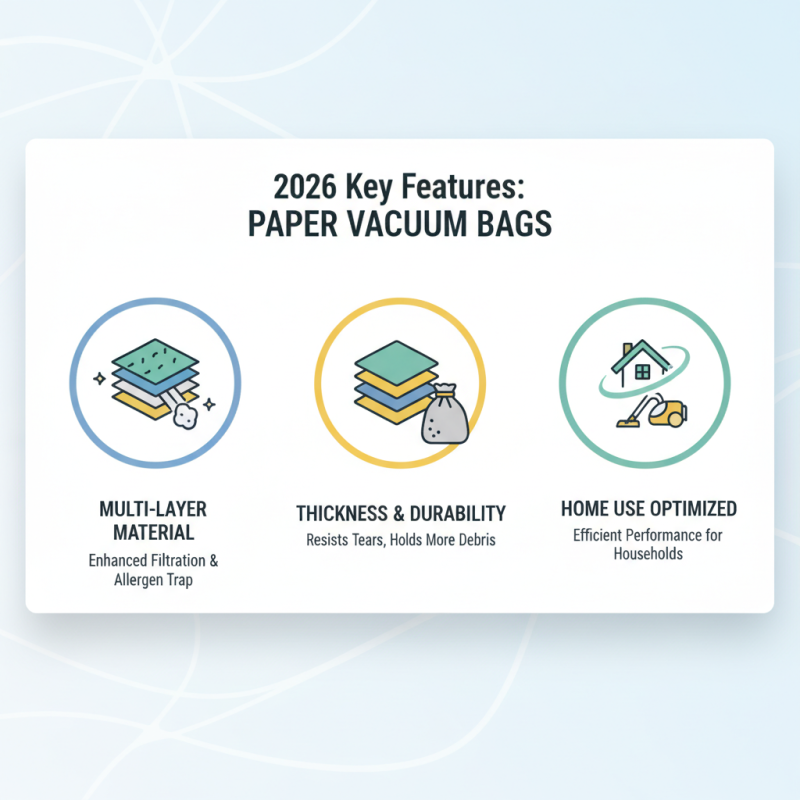
When selecting paper vacuum bags for home use, several key features should guide your choice. First, consider the bag’s material. High-quality paper can trap dust and allergens effectively. It should have a multi-layer design to enhance filtration. Additionally, thickness matters; thicker bags tend to hold more debris without tearing, offering better performance.
Next, check the bag's compatibility with your vacuum model. Some bags are designed for specific brands and models, ensuring they fit snugly. A poorly fitting bag can lead to leaks and diminished efficiency. Look for easy-to-install options, as this can save time during your cleaning routine.
Lastly, evaluate the bag's capacity. Larger bags mean fewer replacements and can handle more dirt and debris. However, customers sometimes overlook the importance of regular bag changes. Overfilled bags lead to loss of suction and dust escaping. Balancing capacity with maintenance is crucial for optimal cleaning results.
Comparison of Paper Vacuum Bags vs. Plastic Vacuum Bags: Pros and Cons
When choosing vacuum bags, the debate between paper and plastic is significant. Paper vacuum bags are known for their environmental benefits. Made from renewable resources, they are biodegradable. A report by the Environmental Protection Agency states that paper products can reduce landfill waste by about 35% when used properly. This is a compelling reason for eco-conscious consumers.
On the other hand, plastic vacuum bags offer durability and strength. These bags are resistant to tearing and can hold more dust and debris compared to paper bags. Studies indicate that plastic bags can maintain suction power longer, which may lead to better cleaning efficiency. However, they often end up in landfills, contributing to a long-lasting waste problem. A study from the International Journal of Environmental Research highlights that plastic waste can take hundreds of years to decompose.
Both options have their pros and cons. Paper bags may need more frequent replacement, particularly in heavy-use scenarios. Meanwhile, plastic bags can be more challenging to recycle due to contamination issues. This trade-off requires consideration of cleaning frequency and environmental impact. Each user’s needs should dictate the choice between the two.
Market Trends: The Rise of Eco-Friendly Paper Vacuum Bags in 2026
The demand for eco-friendly paper vacuum bags is growing. Consumers want effective cleaning solutions that reduce environmental impact. In 2026, the market reflects this shift. More brands are focusing on sustainable materials. These bags are often made from recycled paper and natural fibers.
The rise of these products represents a broader trend. People are more aware of their choices. They seek options that align with their values. Paper vacuum bags are biodegradable, unlike plastic. They break down more easily in landfills. This feature is appealing to many households looking to reduce waste.
However, challenges remain. Not all eco-friendly products perform as well as conventional ones. Some users express concerns about durability. They worry if these bags can maintain suction power. Continuous feedback is crucial for improvement in quality. As the market develops, balancing sustainability and performance is essential.
2026 Best Paper Vacuum Bags for Your Cleaning Needs - Market Trends: The Rise of Eco-Friendly Paper Vacuum Bags in 2026
| Category |
Material Type |
Filtration Efficiency |
Biodegradability |
Price Range |
User Rating |
| Home Use |
Recycled Paper |
95% |
Yes |
$5 - $15 |
4.5/5 |
| Commercial Use |
Virgin Paper |
90% |
Yes |
$10 - $25 |
4.2/5 |
| Pet Owners |
Biodegradable Paper |
92% |
Yes |
$8 - $20 |
4.7/5 |
| Allergen Sensitive |
Natural Paper |
98% |
Yes |
$6 - $18 |
4.8/5 |
Top Brands and Their Best-Selling Paper Vacuum Bags: An Analysis
When it comes to cleaning, choosing the right vacuum bag is essential. Many popular brands offer paper vacuum bags that cater to various cleaning needs. These bags are designed to efficiently capture dust, allergens, and debris. Their high filtration capabilities make them popular among allergy sufferers.
One standout feature of these bags is their durability. Unlike typical plastic bags, paper vacuum bags can withstand more wear and tear. However, not all bags perform equally. Some may clog easily, leading to reduced suction power. It's essential to read reviews and consider what works best for your vacuum model.
Analyzing the best-selling paper vacuum bags reveals some interesting trends. Many consumers prioritize bags with enhanced filtering capabilities. Others focus on the size and compatibility with their vacuum cleaner. This reflects a desire for efficiency. Still, personal preferences vary greatly. What works for one might not meet another's needs. Always reflect on your cleaning habits and requirements before deciding.
Performance Metrics: Vacuum Bag Filtration Efficiency and Durability Ratings
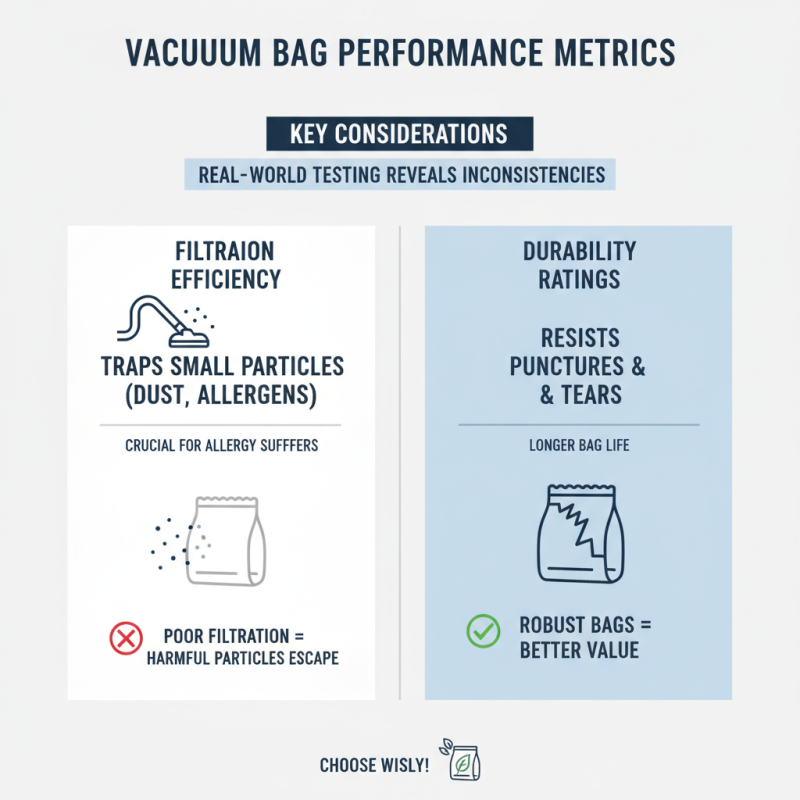
When choosing vacuum bags, filtration efficiency and durability should be top considerations. High filtration efficiency ensures that small particles like dust and allergens are trapped. This is especially important for allergy sufferers. A bag with poor filtration can allow harmful particles to escape back into the air, making your vacuuming less effective. Many vacuum bags claim to have high efficiency, but real-world testing often reveals inconsistencies.
Durability ratings offer insights into how long a vacuum bag will last before needing replacement. A bag that tears easily can lead to messes during changing. Consider how much debris your vacuum typically collects. If you vacuum regularly, look for bags designed for heavy-duty use. We often overlook the need for durability until a bag fails at the worst moment.
Balancing filtration and durability is crucial. You want a vacuum bag that not only traps dust but also stands up to regular use. Reviews can provide user experiences, but they can also be biased. Gathering real-world feedback from various sources can help in making an informed choice. Ultimately, careful selection is necessary for optimizing your cleaning efforts.