Best Printed Composite Bag Solutions for Global Buyers?
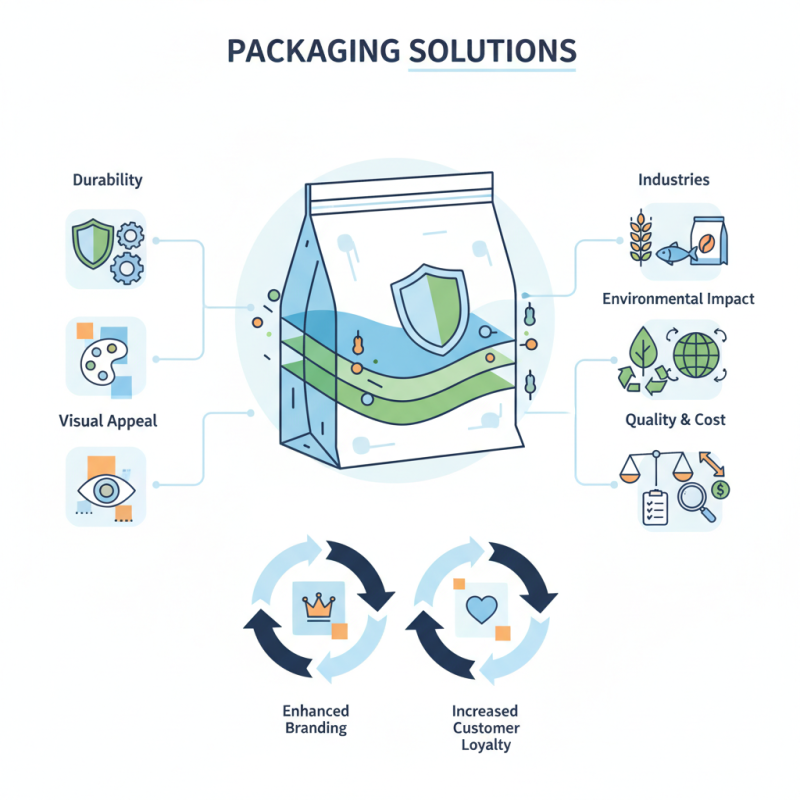
In the fast-paced world of packaging, Printed Composite Bags stand out. These bags offer a perfect blend of durability and visual appeal. They are crucial for brands aiming to elevate their market presence. Global buyers seek innovative solutions to enhance their packaging strategies. Understanding the unique benefits of Printed Composite Bags can provide significant advantages.
These bags are typically made from multiple layers of materials. Their structure allows for excellent moisture and oxygen barriers. This quality makes them ideal for various industries, including food and agriculture. Buyers often overlook the environmental impact of their choices. It’s essential to consider sustainability while selecting packaging options.
Balancing quality with cost is another challenge. Many suppliers promise high performance at lower prices. However, not all deliver on that promise. It is critical for buyers to research suppliers thoroughly. Trust and reliability play key roles in this decision-making process. The right Printed Composite Bag can enhance branding and increase customer loyalty. Understanding these factors helps buyers make informed choices in this competitive market.
Overview of Printed Composite Bags and Their Applications
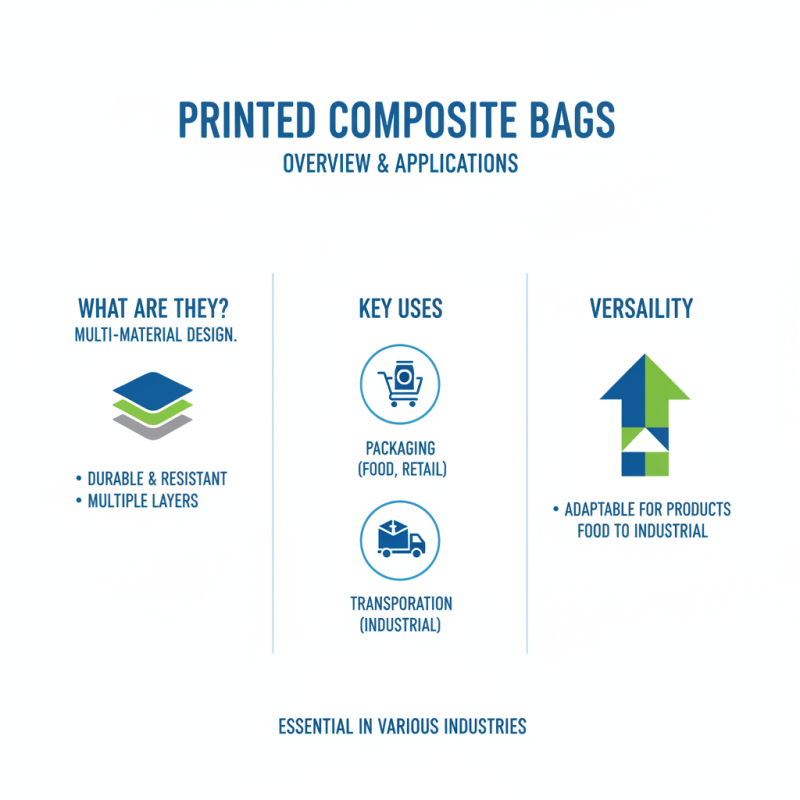
Printed composite bags have become essential in various industries. These bags are often made from multiple materials, ensuring durability and resistance. They are widely used for packaging, storage, and transportation. Their versatility allows them to be adapted for different products, from food items to industrial goods.
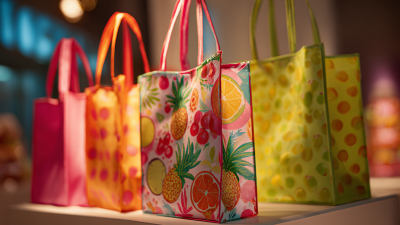
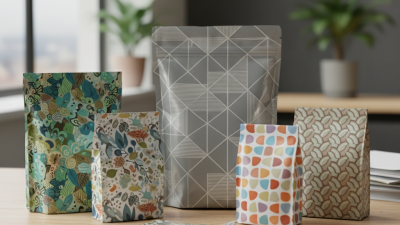
In the food industry, these bags maintain freshness and resist moisture. They often feature vibrant prints that enhance branding. However, the effectiveness of these bags relies on proper material selection. Not all composites are equal; some may not meet safety standards. Therefore, choosing the right supplier becomes crucial. Buyers should ask about material sources and manufacturing processes.
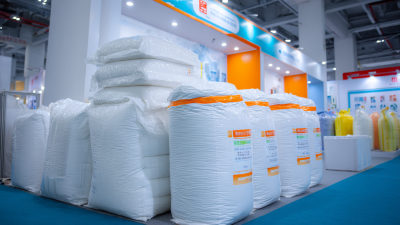
Another common application is in construction. Here, printed composite bags are used to package materials like cement and aggregates. Visibility through printed branding can help in differentiating products on-site. Yet, it is important to reflect on the environmental impact of these bags. Many are not biodegradable, raising questions about sustainability. Buyers need to weigh aesthetics against ecological responsibility.
Types of Printed Composite Bags Available in the Market
Printed composite bags are gaining traction in global markets. These bags combine durability and versatility, making them popular for various packaging needs. Research indicates that the global printed bags market is expected to grow at a compound annual growth rate (CAGR) of 4.6% from 2021 to 2026. This growth is driven by increasing consumer demand for innovative packaging solutions.
There are several types of printed composite bags available. Woven polypropylene bags are widely used for their strength and resistance to wear. These bags are often employed in food packaging and construction materials. Furthermore, plastic laminated bags provide excellent barrier properties, ensuring product freshness. They are common in the agricultural sector for packaging seeds and fertilizers. In recent years, biodegradable options have emerged, catering to environmentally conscious buyers.
Tip: When selecting printed composite bags, always consider the end-use requirements. Durability and compatibility with contents are crucial. Also, assess the environmental impact of the materials used. Many buyers overlook sustainability, which could affect brand image in the long run. Keep in mind, the right bag can enhance product presentation.
Best Printed Composite Bag Solutions for Global Buyers
| Type of Bag |
Material |
Sizes Available |
Printing Options |
Common Uses |
| Woven Polypropylene Bags |
PP (Polypropylene) |
Customized Sizes |
Flexographic, Gravure |
Agriculture, Packaging |
| Non-Woven Bags |
Non-Woven Polypropylene |
Various Sizes |
Screen Printing, Digital Printing |
Retail, Promotions |
| Paper Composite Bags |
Paper, Plastic Coated |
Standard and Custom Sizes |
Offset Printing |
Food, Chemicals |
| Laminated Bags |
PE, PP, Paper Laminates |
Custom Sizes |
High-Quality Flexographic |
Food, Personal Care |
Key Features and Benefits of Using Printed Composite Bags
When it comes to packaging, printed composite bags offer a unique blend of durability and aesthetic appeal. These bags are made from multiple materials, such as polypropylene and paper, providing strength and flexibility. This combination safeguards products during transportation, making them ideal for various industries. The striking prints on these bags also enhance brand visibility. They serve not just as containers but as marketing tools that catch the consumer's eye.
The key benefits of printed composite bags include their resistance to tears and moisture. This robustness ensures that products remain secure, reducing damages during shipping. Moreover, these bags are lightweight, helping to lower shipping costs. They can be easily customized to fit branding needs, promoting products effectively in competitive markets.
However, one should consider the environmental impact of production. While durable, these bags should be managed responsibly after use. Choosing the right materials can be a challenge but is crucial for sustainability.
Factors to Consider When Sourcing Printed Composite Bags Globally
When sourcing printed composite bags globally, several critical factors come into play. Understanding the nuances of materials is essential. Composite bags often combine materials like polypropylene and paper. These blends provide durability and flexibility. The Global Composite Bags Market is poised to grow at a CAGR of 5.2% from 2022 to 2030, indicating rising demand.
Sustainability is another major consideration. Many companies now prioritize eco-friendly materials. This shift influences purchasing decisions. However, not all producers prioritize sustainability equally. Scrutinizing certifications can reveal a lot about a supplier’s commitment to eco-friendly practices.
**Tip:** Always review your supplier's material sources. They should be transparent and provide clear information.
Cost-effectiveness is vital, but beware of overly cheap options. They may compromise quality. Also, consider lead times for production and shipping. Delays can disrupt your supply chain.
**Tip:** Communicate your timelines clearly with suppliers. This helps set realistic expectations.
Quality assurance measures should not be overlooked. Request samples to evaluate print clarity and material strength. Practical tests can offer insights into the bag's performance. Balancing quality, cost, and sustainability is key to making an informed decision.
Best Printed Composite Bag Solutions for Global Buyers
Top Suppliers and Manufacturers of Printed Composite Bags
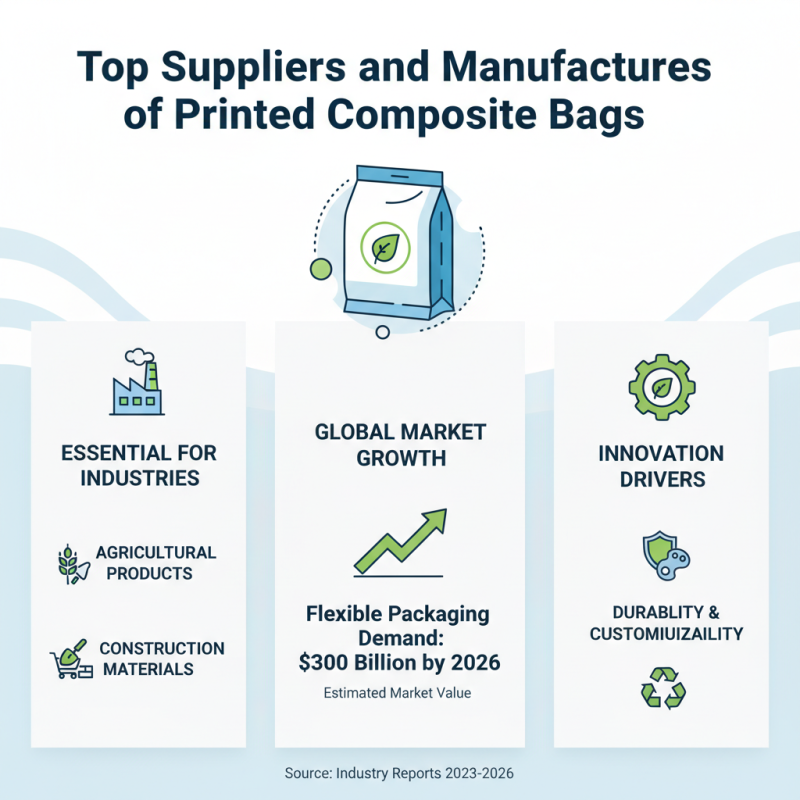
Printed composite bags have become essential for various industries due to their durability and customizability. These bags are widely used in packaging agricultural products, construction materials, and consumer goods. Industry reports estimate the global demand for flexible packaging will reach around $300 billion by 2026. An increasing focus on sustainability is driving innovation in materials and production processes.
When choosing a supplier, consider their expertise in using eco-friendly materials. Many manufacturers now offer biodegradable options that meet environmental standards. Look for suppliers with certifications to enhance reliability. Additionally, suppliers should provide customization options, such as print quality and bag dimensions, to align with your branding needs.
Tips: Always request samples before committing. Assess the quality firsthand to avoid potential issues. Regularly review supplier capabilities as the market evolves. Staying updated with industry trends can help you make informed decisions, ensuring that you select the best solution for your needs.