Best Universal Vacuum Sealer Bags for 2026 Top Choices?
When it comes to food preservation, Universal Vacuum Sealer Bags play a crucial role. These bags are designed to extend the shelf life of various food items by removing air. This helps to prevent spoilage and freezer burn. As we approach 2026, it's essential to consider the best options available. The market offers a wide range of these bags, created from diverse materials and featuring different thickness levels.
Choosing the right bags can be overwhelming. Not all Universal Vacuum Sealer Bags are created equal. Some may not seal properly or may tear easily. It's essential to explore bags that offer durability and effectiveness. Reliable brands prioritize quality to ensure food safety. This aspect is vital for anyone focused on long-term food storage.
In this exploration, we will delve into top choices for 2026. The focus will be on quality, user reviews, and compatibility with various vacuum sealers. Many users have different needs, and understanding these nuances is important. The perfect bag for one person might not work for another. Exploring these differences will illustrate the ongoing challenges in selecting the best options.
Top Features to Consider When Choosing Vacuum Sealer Bags
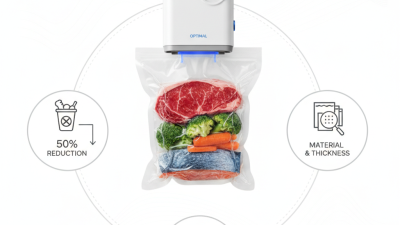
When choosing vacuum sealer bags, several key features deserve your attention. Thickness is crucial. Thicker bags offer better protection against punctures and tears. Look for bags that are at least 4 mils thick for durability. Many users overlook this, but a flimsy bag can ruin your food storage efforts.
The material composition of the bags is another crucial aspect. Food-safe plastic is essential to avoid any potential chemicals leaching into your food. Some bags are designed to be freezer-safe. This helps maintain the integrity of frozen items. Check whether the bags can withstand extreme temperatures if you plan to store food long-term.
Compatibility with your vacuum sealer is often neglected. Not all bags fit all sealers. Using incompatible bags can lead to ineffective seals and wasted time. Consider whether you prefer reusing bags or if disposable options suit your needs better. Each choice has its pros and cons. Reflect on your typical storage requirements to make the best decision.
Types of Vacuum Sealer Bags: Which One Suits Your Needs?
When choosing vacuum sealer bags, it's essential to consider your specific needs. There are various types available. These include standard bags, rolls, and pouches. Each type offers unique benefits. Standard bags are pre-cut, suitable for common items. They save time but may not fit every form. Rolls are versatile. You can cut them to your desired length. This works for items of various sizes.
Pouches are another option. They come with a textured side for efficient sealing. They’re ideal for marinating food or vacuuming delicate items. If you're storing food, look for options that are safe for freezing and boiling. This ensures food quality and safety over time. However, not all bags perform well in every environment. Some may leak or break under stress.
Understanding each type allows you to make smarter choices. Experimenting with different styles can help. Sometimes, the initial experience might not be perfect. But through trial and error, you'll discover what works best for you. Be open to feedback on your choices. Each bag type has its strengths and limitations, so take the time to reflect on your preferences.
Best Universal Vacuum Sealer Bags for 2026 Top Choices
| Bag Type |
Material |
Thickness (Microns) |
Suitable For |
Special Features |
| Standard Vacuum Bags |
Nylon/Polyethylene |
90-100 |
General Food Storage |
Freezer Safe, Microwave Safe |
| Heavy-Duty Bags |
Multi-layer Poly |
120-150 |
Sous Vide Cooking, Long-term Storage |
Puncture Resistant, Durable |
| Roll Bags |
Nylon/Polyethylene |
90-100 |
Custom Size Food Storage |
Cut to Desired Length |
| Vacuum Sealer Bags with Zipper |
Plastic |
80-90 |
Marinating, Sauces |
Reusable, Easy Access |
| Sous Vide Bags |
Heavy Duty Plastic |
150 |
Sous Vide Cooking |
Heat Resistant |
Review of the Best Universal Vacuum Sealer Bags for 2026
Choosing the right vacuum sealer bags is crucial for maintaining food freshness. In 2026, an increasing number of consumers are looking for versatility in their food storage solutions. Research indicates that proper sealing can extend food shelf life by up to five times compared to traditional methods. This evolution in consumer preferences highlights the necessity for reliable, high-quality vacuum sealer bags.
One major consideration is material. Many industry experts emphasize that bags made of multi-layer materials provide superior oxygen barrier properties. This ensures better preservation of flavor and nutrients. It’s a good idea to look for bags that are BPA-free for safer food storage. Some studies suggest that using bags with textured surfaces can enhance vacuum efficiency by 30%.
Tip: Always test your vacuum sealer with a small portion of food first. This can save you from potential waste and help you adjust settings as needed.
Not all bags perform equally. For instance, mismatched bags and sealers can lead to leaks. This can create frustrating situations where food spoils faster than anticipated. Regular maintenance checks on your vacuum sealer can also prevent these issues. The right choice today impacts your food preservation success tomorrow.
Tips for Properly Using and Storing Vacuum Sealer Bags
When using vacuum sealer bags, proper handling can extend the life of your food. Begin by ensuring that your bags are clean and dry before use. Wet or greasy bags may prevent a proper seal. It's crucial to cut bags to the right size, allowing at least three inches of extra space. This helps to form a tight seal.
Here are some tips. Always lay the bag flat before sealing. Air pockets left in the bag can cause spoilage. After sealing, double-check the edges for leaks. If you notice any, reseal them immediately. Also, consider marking the date on each bag. This practice keeps track of freshness and helps in rotation.
Storage is equally important. Keep sealed bags in a cool, dark place. Excess heat or light can compromise the seal and food quality. It may seem tedious, but organizing your vacuum-sealed food can be beneficial. Use clear bins and label them for easy access. These small steps ensure that your vacuum-sealed items remain safe and fresh longer.
Best Universal Vacuum Sealer Bags for 2026 Top Choices
Maintenance and Care for Long-Lasting Vacuum Sealer Bags
Proper maintenance of vacuum sealer bags extends their lifespan and enhances food preservation. After usage, clean the bags thoroughly with warm soapy water. Allow them to dry completely before storing. This simple step prevents the growth of bacteria and keeps the bags fresh for future use.
Check for punctures or tears regularly. Even minor damage can compromise the vacuum seal. Repair small holes with heat sealing methods, if possible, or consider replacing the bags. It's also essential to store vacuum sealer bags away from sunlight and heat sources. Exposure can lead to degradation of the material.
Over time, even the best bags might lose their adherence or flexibility. It's worth evaluating how often you use the bags. Frequent use may necessitate more regular replacements. When in doubt about a bag's integrity, err on the side of caution. Experiment with different storage techniques, such as upright or laying flat, to determine which method works best for your usage.