Best Universal Vacuum Sealer Bags for Fresh Food Storage?
When it comes to food preservation, Universal Vacuum Sealer Bags are vital. They help keep food fresh longer. According to the Food Waste Reduction Strategy by the USDA, nearly 31% of food is wasted annually. This significant loss can be mitigated with effective vacuum sealing. Reports suggest that vacuum sealing can extend the shelf life of food by up to five times compared to traditional storage methods.
Choosing the right vacuum sealer bags is essential. Quality bags prevent freezer burn and maintain flavor. Not all bags are created equal, though. The best Universal Vacuum Sealer Bags are durable, versatile, and compatible with various vacuum machines. Research shows that users often encounter issues with improper sealing due to bag quality. This can lead to frustrations and wasted efforts.
Consumers must understand the options available. Some bags are thicker or designed for specific purposes, like sous vide cooking. This variety can lead to confusion. It’s crucial to select bags that fit the intended storage method. Knowing the specific needs can enhance the food preservation process and reduce food waste. A thoughtful choice of Universal Vacuum Sealer Bags can greatly influence meal planning and budgeting.
Types of Universal Vacuum Sealer Bags Available on the Market
When exploring vacuum sealer bags, several types stand out. The most common option is multi-layered plastic bags. These bags offer robust sealing capabilities. They typically contain nylon and polyethylene layers. Research indicates they can extend food freshness by up to five times compared to standard storage methods. Their design minimizes air entry, which can spoil food.
Another option is embossed vacuum sealer bags. These bags feature a textured surface. The grooves allow for better air removal during sealing. However, they may not be ideal for liquid-rich foods. A study by an industry expert noted that using embossed bags can lead to leaks. Hence, careful consideration is critical when choosing these bags for storage.
Lastly, there are vacuum canisters, which provide another storage solution. These containers seal tightly but are often more expensive. They are reusable and great for items like dry grains. An industry report suggests that while they are effective, users need to maintain proper hygiene to avoid contamination. Balancing effectiveness and cost is crucial in choosing the right type for your needs.
Key Features to Look for in Vacuum Sealer Bags
When selecting vacuum sealer bags, consider key features that enhance your food preservation.
High-quality materials are essential. Bags made from polyethylene or polypropylene are durable.
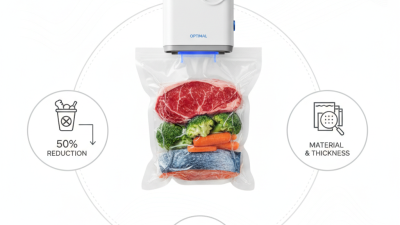
They resist punctures and tears effectively. A study by the Food Safety and Inspection Service found that proper sealing can extend the
shelf life of meat by up to 50%. This statistic underscores the importance of selecting bags that have the
right thickness and barrier properties.
Another critical factor is the compatibility of the bags with different sealing machines. Not all bags work with every model.
Research indicates that using compatible bags improves vacuum sealing efficiency by over 30%. Moreover, look for bags with
textured surfaces. This design allows for better air removal, which is vital for preventing freezer burn.
Yet, many consumers overlook this feature, leading to disappointing results.
Additionally, the size of the bags matters. A variety of sizes will accommodate different food quantities. Many people use the same size for all foods,
which can lead to waste. It’s important to assess your storage needs realistically. While large bags may appear more economical, they can become cumbersome.
Understanding these features ensures that your vacuum sealing practices remain effective over time.
Benefits of Using Vacuum Sealer Bags for Food Storage
Vacuum sealer bags offer numerous benefits for fresh food storage. A key advantage is the extended shelf life of food. According to a report by the USDA, vacuum sealing can increase the storage time of perishable items by up to five times compared to traditional methods. This means vegetables, meats, and seafood can stay fresh for significantly longer periods. The data shows that vacuum-sealed foods maintain their nutritional value better, as they are less exposed to air and moisture.
Another important benefit is the reduction of food waste. The EPA estimates that food waste accounts for about 30-40% of the food supply in the United States. By using vacuum sealer bags, consumers can store leftovers more effectively and minimize spoilage. This method also preserves flavors and textures, making meals more enjoyable. However, it’s crucial to ensure proper sealing techniques, as improper sealing can lead to air pockets and spoilage.
Convenience is also a notable factor. Vacuum sealer bags are easy to use and can accommodate various food items. They take up less space in the freezer or pantry, allowing for better organization. Nonetheless, not all vacuum sealer bags are created equal. It's important to do thorough research on the materials and compatibility with different vacuum sealers to ensure optimal performance. This reflection on the limitations emphasizes the need for informed choices in food storage.
Benefits of Using Vacuum Sealer Bags for Food Storage
Top Brands Offering High-Quality Vacuum Sealer Bags
When it comes to food storage, high-quality vacuum sealer bags are essential. These bags help keep your food fresh for longer, preventing freezer burn and spoilage. Many brands offer excellent options, but not all are created equal. It's crucial to choose bags that are durable and designed for various types of food.
Some brands focus on thicker materials, ensuring a strong seal against air. Others offer specialized bags for liquids or marinating. This variety means there's likely a bag suitable for every food type. You may find that some bags offer better vacuum sealing than others, leading to experimentation. It’s important to consider what works best for your needs.
Beyond the material, the size options available can also play a role in your choice. You may need different sizes for different food items. Sometimes, you might buy a bulk package of bags, which could lead to unused bags piling up. Finding the right balance between quality and quantity is a common challenge. When selecting vacuum sealer bags, ensure they meet your food storage expectations while also being versatile.
Tips for Properly Using and Maintaining Vacuum Sealer Bags
When using vacuum sealer bags, proper handling is key to maximizing freshness. Start by ensuring your hands are clean and dry. This simple step helps prevent contamination. Always inspect bags for any tears or holes before sealing. Any damage can reduce the effectiveness of vacuum sealing. It’s best to utilize bags specifically designed for vacuum sealing to avoid unexpected spills.
Storing food in vacuum bags requires attention to detail. Keep the sealing area clean to avoid food residues interfering with the seal. When filling bags, leave enough space at the top for a proper seal. Overstuffing can lead to weak seals. Additionally, be mindful of moisture. Wet food can jeopardize the vacuum process, so patting items like meat or fish dry is essential. Remember, effective sealing can affect quality and shelf life.
Proper maintenance of vacuum sealer bags is also significant. After sealing, avoid exposing them to sharp objects or extreme heat. Store bags in a cool, dark area to prolong their lifespan. Learning to recognize wear and tear is crucial. If bags begin to fray or lose their shape, it’s time for a replacement. Realizing these aspects can enhance storage practices, leading to better food preservation.
Best Universal Vacuum Sealer Bags for Fresh Food Storage
| Bag Size |
Thickness (Microns) |
Material |
Temperature Resistance |
Usage Tips |
Storage Life (Months) |
| Quart |
90 |
Multi-layer Plastic |
-40°C to 70°C |
Ensure air is completely removed |
6-12 |
| Gallon |
90 |
Multi-layer Plastic |
-40°C to 70°C |
Use for larger food items |
12-18 |
| Roll |
100 |
Multi-layer Plastic |
-40°C to 80°C |
Customizable length for various foods |
6-12 |
| Sous Vide |
120 |
Heavy-duty Plastic |
-40°C to 90°C |
Ideal for sous vide cooking |
12-24 |