inquiry
Leave Your Message

How to Choose Clothes Zipper Storage Bags?

Choosing Clothes Zipper Storage Bags is not simply a matter of picking the largest size. The right bag should protect fabric, save space, and remain easy to use. It should also match the garment. A thin shirt needs different protection from a wool coat or a beaded dress. Poor choices can create crushed collars, trapped moisture, or difficult-to-find clothing. Small details matter.

Laundry expert Patric Richardson says, “Clothes don’t wear out from washing; they wear out from being dirty.” This principle also applies to storage. Clean and completely dry garments should enter every bag. Inspect the zipper, seams, transparency, and ventilation before buying. A strong zipper should close smoothly without catching fabric. Clear panels can help you identify a winter sweater in seconds. That convenience is practical, not decorative.

Material deserves careful attention. PEVA and breathable fabric bags can suit different storage conditions, while airtight plastic may not be ideal for every textile. Delicate garments need room to breathe. Heavy items need stronger seams. Measure the folded clothing first. Guessing is tempting, but it often leads to overfilled bags. I have also learned that the “perfect” bag does not exist. Storage habits still matter. Leave a little space, label seasonal items, and keep bags away from heat, sunlight, and damp floors. This guide explains how to compare Clothes Zipper Storage Bags by material, size, closure quality, visibility, and long-term garment safety.
How to Choose Clothes Zipper Storage Bags?

What Are Clothes Zipper Storage Bags?

What Are Clothes Zipper Storage Bags?

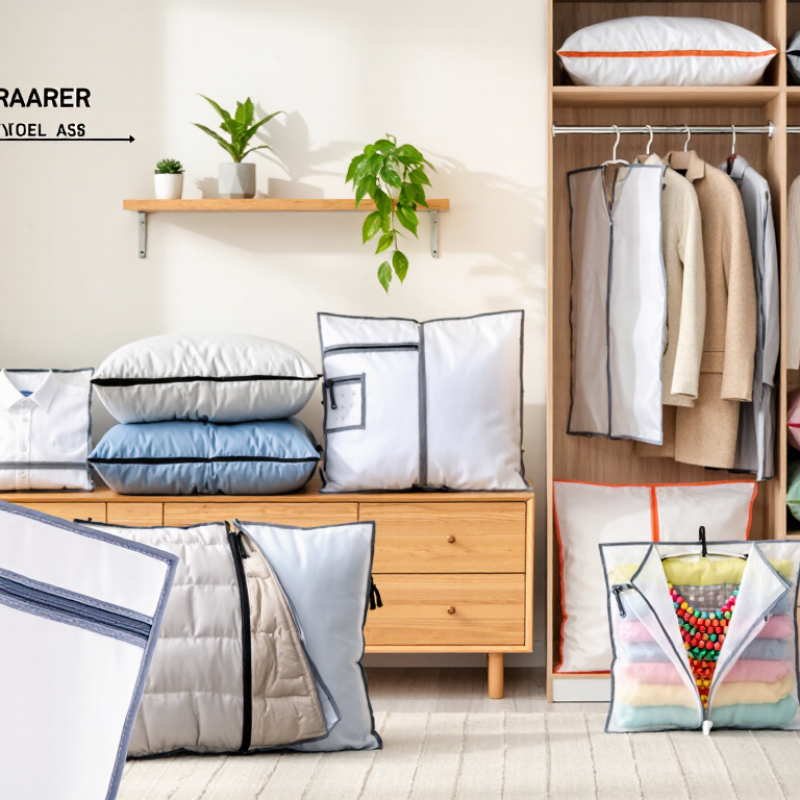
Clothes zipper storage bags are flexible containers with a sealed zipper opening. They protect folded garments from dust, friction, insects, and accidental spills. Most are made from polyethylene, polypropylene, or breathable fabric. Clear plastic helps users identify sweaters quickly. Fabric versions feel softer but may offer less moisture resistance.

A useful bag should match the clothing and storage location. Thick plastic suits seasonal coats and under-bed storage. Breathable fabric works better for clean, dry wool in a ventilated closet. Do not pack damp clothes. Even a strong zipper cannot prevent mildew when moisture is trapped inside. I have found that overfilling also stresses the zipper and leaves deep creases.

Storage quality affects clothing life and household waste.

The U.S. Environmental Protection Agency reported that Americans generated about 17 million tons of textiles in 2018, with roughly 2.5 million tons recycled.

WRAP reported that extending clothing use by nine months can reduce carbon, water, and waste footprints by about 20–30%.

These figures support careful storage, but bags are not a complete solution. Poorly chosen bags can cause condensation or hide forgotten garments. Check the material, zipper strength, ventilation, dimensions, and reuse potential before buying. A small label inside the bag helps track contents and prevents unnecessary purchases.

Which Materials and Sizes Suit Different Clothing Items?

How to Choose Clothes Zipper Storage Bags?

The right material depends on the clothing’s fabric, storage location, and how often you access it. For everyday cotton shirts, durable polyethylene or polypropylene bags offer light moisture protection and easy cleaning. They work well in drawers and wardrobes. For wool coats, silk dresses, or embroidered garments, choose breathable nonwoven fabric. It reduces trapped humidity and allows gentle air circulation. Avoid sealing delicate items while they are damp. That mistake can leave a stale smell or encourage mildew.

Size matters more than many people expect. A small bag should hold folded shirts without pressing the zipper against the fabric. Medium bags suit sweaters, trousers, and children’s seasonal clothing. Long bags are better for dresses, coats, and suits, especially when hangers are used. Leave a little space around each item. Overfilling can create deep creases and strain the zipper.

I once stored a thick jacket in a narrow bag, and the seams stretched within weeks. I should have measured the jacket first.

Tips: Measure the folded or hung clothing before buying. Select a zipper with smooth, firm movement. Check for reinforced seams and transparent panels when quick identification matters. Use breathable storage for natural fibers in humid rooms. For plastic bags, open them occasionally and inspect the clothing. Storage needs can change with the season. A size that fits today may feel cramped after adding a sweater.

How to Evaluate Zipper Quality, Sealing, and Durability

How to Choose Clothes Zipper Storage Bags?

A reliable clothes storage bag starts with a zipper that closes smoothly. Run it from end to end several times. It should not catch, split, or feel loose. A firm metal or reinforced plastic slider usually gives better control than a thin, flexible one. Check the zipper teeth closely. Uneven spacing can create weak points.

Sealing matters when clothes face dust, moisture, or changing temperatures. Press the bag gently after closing it. If air escapes around the zipper, the seal may be incomplete. Some bags use a double-track closure, which can reduce small gaps. Still, do not assume a thicker seal always performs better. Inspect the connection between the zipper and the plastic film. That narrow area often fails first.

Durability depends on more than thickness. Pull the zipper with moderate force, then fold the bag near the closure. Look for whitening, cracks, or stretched seams. I once chose a very thick bag that had a weak zipper edge. It looked strong, but failed after repeated use. That test was useful. It also had limits, because real storage includes heat, pressure, and rough handling. Choose material with consistent thickness, reinforced seams, and a zipper that remains smooth after repeated opening. Leave some space inside. Overfilling places constant stress on the seal and may shorten the bag’s working life.

How to Choose Bags for Seasonal and Long-Term Storage

How to Choose Clothes Zipper Storage Bags?

Seasonal clothing needs protection from dust, moisture, odors, and unnecessary pressure. Choose a bag with a strong zipper and transparent panels. You should identify wool coats, linen shirts, or children’s clothes without opening every bag. For winter garments, use larger bags that prevent sharp folding. A coat crushed into a small pouch may develop permanent creases. That happened to one of my jackets.

For long-term storage, material quality matters more than appearance. Select thick, tear-resistant plastic or breathable fabric, depending on the garment. Delicate wool and silk need airflow, while clean synthetic clothing can tolerate more airtight protection. Never seal damp clothes. Even slight moisture can create mildew inside a closed bag. Store bags away from direct sunlight, hot pipes, and concrete floors.

WRAP’s Valuing Our Clothes report found that extending clothing use by nine months can reduce carbon, water, and waste footprints by about 20% each. Proper storage supports that longer use. The U.S. Environmental Protection Agency reported that 17 million tons of textiles entered municipal solid waste streams in 2018. Storage bags cannot solve textile waste alone, but they can reduce avoidable damage. Check each bag twice yearly. Replace cracked zippers, remove stale garments, and rethink whether every item still deserves storage. Perfect organization is not the goal. Dry, visible, and accessible clothing is better.

How to Choose Clothes Zipper Storage Bags?

Recommended bag capacity for seasonal and long-term clothing storage

Choose a bag that leaves approximately 20% free space so clothing can be folded without excessive compression. Smaller bags are suitable for shirts and light garments, while larger bags are better for coats, knitwear, bedding, and bulky seasonal items. For long-term storage, select durable, airtight zipper bags and keep them in a cool, dry, dark location.

How to Use and Maintain Clothes Zipper Storage Bags Properly

How to Choose Clothes Zipper Storage Bags?

Choose a clothes zipper storage bag according to fabric type, garment size, and storage location. Measure bulky coats before buying, because a tight bag can press seams and distort shoulders. Clear material makes labels and clothing easier to identify. For daily access, use a smooth zipper and a wide opening. Thicker material usually withstands repeated handling better, but it may occupy more space.

Clean and dry every garment before storage. Even slight moisture can create a stale smell or encourage mildew inside a closed bag. Fold clothes along natural seams, then place heavier items underneath lighter garments. Do not overfill. Leave enough room for the zipper to close without pulling. I once stored a sweater while it felt dry, but the next month revealed a faint musty odor. That mistake changed my routine.

Keep the bag away from direct sunlight, heaters, sharp edges, and damp floors. Wipe the zipper track with a soft, dry cloth when dust appears. If the zipper catches, stop pulling and check for fabric trapped in the teeth. For long-term storage, inspect the contents every few months and air them briefly in a shaded, dry place. Avoid storing leather or delicate decorations in sealed plastic unless their care instructions allow it. Bags can protect clothing, but they cannot correct poor preparation.