inquiry
Leave Your Message

Top Vacuum Zipper Bag With Flat Valve Suppliers

Choosing a reliable supplier for a Vacuum Zipper Bag With Flat Valve takes more than comparing prices. The bag must seal evenly, hold its shape, and release air through a valve that works consistently. A sample can look impressive on a desk. Real performance shows up after filling, sealing, and repeated handling.

This guide compares suppliers by practical details: film structure, zipper alignment, valve design, customization options, and quality-control evidence. Ask how suppliers check seal strength and valve leakage. Request samples that match your intended product and storage conditions. Inspect the zipper track, press the seal closed, and watch whether the bag keeps its vacuum. Small flaws matter. A crooked valve or uneven weld can weaken an otherwise well-made package.

Supplier claims deserve verification. Review technical data, sample consistency, production capacity, and communication before placing a large order. Clear answers are useful; vague promises are not. I cannot responsibly attribute a quotation to a named industry expert without a verifiable source, so this introduction does not invent one. That limitation matters. Trustworthy sourcing is part of choosing packaging, too.

Top Vacuum Zipper Bag With Flat Valve Suppliers

Understanding Vacuum Zipper Bags With Flat Valves

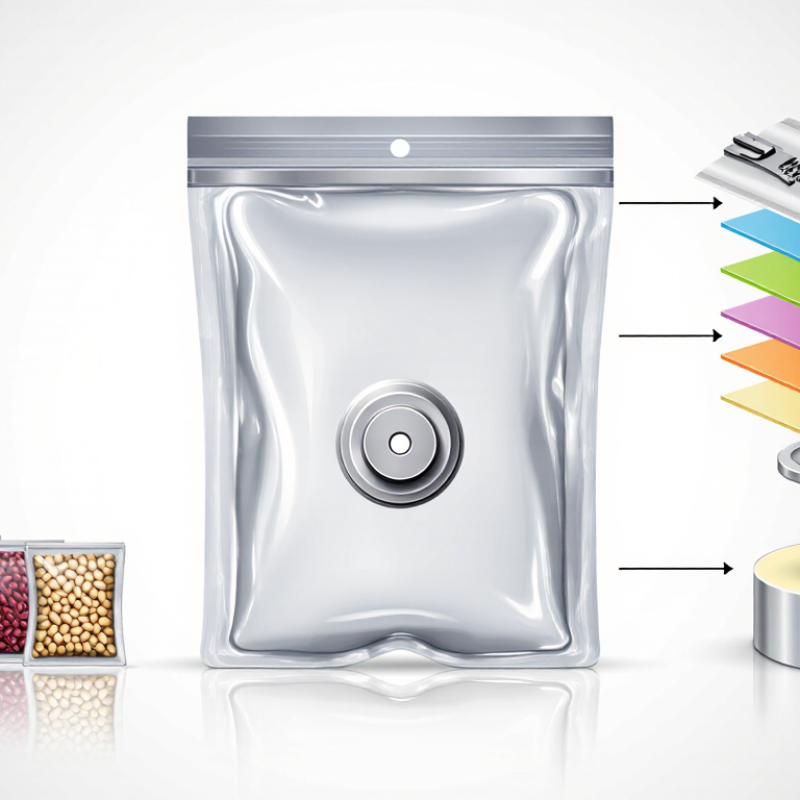
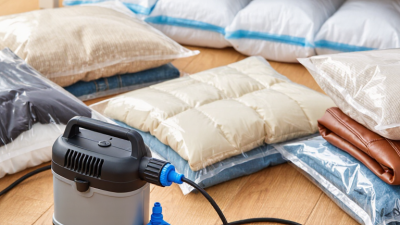
Vacuum zipper bags with flat valves combine a resealable opening with a low-profile air outlet. The zipper lets users open and close the pouch without cutting it. The flat valve allows air to be removed with a compatible vacuum pump, helping reduce the package’s volume. Small details matter. Valve placement, pouch dimensions, and film thickness can affect how easily a bag seals and handles everyday use.

When comparing suppliers, check whether the valve works with your intended pump and whether the zipper closes consistently across the full width. A simple trial can reveal issues: place a dry item inside, remove the air, then inspect the seal and valve for leaks. Repeat the test with different fill levels. Not every pouch fits. Sharp corners, excessive filling, or crumbs caught in the zipper may interfere with closure. Material suitability also depends on what the bag will hold and how it will be stored; ask suppliers for relevant specifications rather than assuming all vacuum bags perform alike. Even a well-made pouch may need careful handling, and that limitation is worth considering before choosing a size or format.

How Flat Valves Enable Air Evacuation and Resealing

Flat valves give vacuum zipper bags a controlled path for removing air without opening the zipper. A pump connects to the valve, and suction draws air from the bag while the zipper stays closed. After pumping, a flexible flap or sealing layer helps limit air from returning through the opening. Designs vary, so check that the valve matches the pump and bag material. Small details matter.

For reliable resealing, press the valve cap firmly, then inspect the zipper track for crumbs or folds. A flat valve can reduce trapped air around soft items, but it cannot repair a damaged seam or an overloaded bag. Check the seal. Suppliers should specify valve dimensions, film thickness, and expected reuse conditions instead of relying on broad performance claims. Dust, oily residue, or a bent valve edge may weaken the seal, even when the bag looks intact. A brief leak test after evacuation helps reveal problems; repeated air loss may indicate wear or poor alignment.

Key Materials and Features to Compare Among Suppliers

When comparing vacuum zipper bag suppliers, inspect the laminate—not just its advertised thickness. Nylon and polyethylene layers are common: nylon helps resist punctures, while polyethylene supports heat sealing. For oxygen-sensitive contents, ask whether the structure includes a barrier layer such as EVOH, and request test results for the finished bag. Layer quality matters.

The Flexible Packaging Association’s 2023 State of the U.S. Flexible Packaging Industry report estimated U.S. flexible-packaging sales at $42.9 billion in 2022. That scale reflects varied applications, not a guarantee that any one bag suits your product. Ask suppliers for material specifications, seal-strength data, and leak-test methods. ASTM F88 measures seal strength; check that the test setup matches the supplier’s construction. Also compare valve weld quality, valve placement, zipper width, and compatibility with your vacuum pump. A tiny leak can undo a good barrier film.

Tips: Request samples and test them with your actual contents and pump. Check seals after repeated opening, then inspect for wrinkles around the flat valve. Ask for results from ASTM F88 or a suitable leak test. One detail is easy to miss: thicker film alone does not prove better protection.

How to Assess Supplier Quality, Capacity, and Compliance

Assessing a vacuum zipper bag supplier starts with the sample, not the brochure. Grand View Research estimated the global vacuum packaging market at USD 29.8 billion in 2023, with projected growth through 2030. That expanding market makes consistent production important. Ask for recent seal-strength and leak-test results, plus valve performance data under realistic filling and storage conditions. Small details matter.

Capacity needs evidence. Request monthly output, typical lead times, peak-season plans, and records from recent production runs. Compare these figures with your forecast, then confirm that zipper alignment and flat-valve placement stay consistent across batches. A supplier may show impressive machinery, but machine count alone does not prove dependable delivery. Ask for proof.

Compliance checks should match the bag’s intended use and destination. Review material specifications, food-contact documentation where relevant, batch traceability, and change-control records. Check whether test reports identify the material and production lot you are buying. A tidy audit file can still miss a weak point: test a production sample, not only a hand-finished sample. I would also record unresolved findings and agree on corrective-action dates; this step is easy to postpone, and that is precisely why it matters.

Top Vacuum Zipper Bag With Flat Valve Suppliers - How to Assess Supplier Quality, Capacity, and Compliance

Supplier assessment scorecard for vacuum zipper bags with flat valves. The acceptance targets below are suggested buyer-defined requirements, not universal industry limits; confirm that each target fits the product, filling process, destination market, and applicable regulations.

Assessment Area Evaluation Dimension What to Verify Suggested Acceptance Target Evidence or Test Method Weight
Product Quality Film structure and material consistency Declared layer structure, resin or film specifications, thickness tolerance, and lot-to-lot consistency. Approved specification identifies every layer and nominal thickness; sampled rolls or bags meet the buyer-approved tolerance. Technical data sheet, certificate of analysis, incoming inspection records, and documented sampling plan. 10%
Product Quality Flat-valve performance Valve opening and closing behavior, attachment quality, air evacuation, and resistance to air re-entry under intended use. Valve operates consistently on the buyer’s product and vacuum equipment; no visible detachment, obstruction, or unacceptable air return during the agreed test. Production-line trial and a written test protocol covering filling, evacuation, handling, and the agreed observation period. 12%
Product Quality Zipper closure integrity Closure alignment, opening and closing function, and resistance to accidental opening during handling. Zipper closes continuously across the usable width and meets the buyer-defined opening, closing, and leakage requirements. Visual inspection, manual operation test, and package leak testing using an agreed method and sample size. 10%
Product Quality Seal strength and package leakage Seal uniformity, wrinkles or channels, seal contamination, and leakage through seams or valve attachment. Seal strength and leak performance meet limits established from product risk assessment and line trials; no critical channel leaks in the agreed sample. ASTM F88/F88M can be used for seal strength; ASTM D3078 is one option for bubble-emission leak testing of flexible packages. Select methods appropriate to the package and test conditions. 12%
Product Quality Barrier performance Oxygen and moisture transmission requirements for the packed product, storage conditions, and shelf life. Measured transmission rates meet the buyer’s product-specific specification at stated test temperature and humidity. Request test reports with units, conditioning, temperature, relative humidity, test method, and sample identification. ASTM D3985 and ASTM F1249 are commonly used for oxygen and water-vapor transmission testing, respectively. 10%
Product Quality Dimensions, appearance, and print control Bag dimensions, gusset or bottom geometry, valve position, registration, color variation, and defects. Approved drawing and artwork define tolerances and defect limits; production samples match the signed-off reference. Approved specification, first-article approval, inspection records, and retained reference samples. 6%
Manufacturing Capacity Available output and order fit Demonstrated output for the requested bag size, structure, valve, and print configuration. Verified monthly capacity covers forecast demand and seasonal peaks, with a documented plan for maintenance and changeovers. Production schedule, equipment list, recent output records, and a capacity review for the exact product configuration. 8%
Manufacturing Capacity Lead time and delivery reliability Normal and peak-season lead times, order confirmation process, on-time delivery history, and contingency planning. Lead-time commitments are stated in writing; delivery performance is measured against confirmed dates using an agreed reporting period. Order records, delivery performance data, production planning process, and business-continuity plan. 7%
Manufacturing Capacity Process control and traceability Controls for extrusion or lamination, printing, bag conversion, valve attachment, sealing, inspection, and lot identification. Each shipment can be traced to production and material lots; critical process checks and nonconformity actions are documented. Process flow, control plan, batch records, traceability exercise, calibration records, and corrective-action examples. 8%
Compliance Food-contact suitability, where applicable Material suitability for the food type, temperature, contact duration, and destination market. Applicable declarations and supporting documentation cover the complete packaging structure and intended conditions of use. For the United States, verify applicable FDA food-contact requirements for each material and use; for the European Union, assess applicable food-contact rules, including Regulation (EC) No 1935/2004 and Regulation (EU) No 10/2011 for plastic layers where relevant. Obtain product-specific documentation and migration evidence as required. 8%
Compliance Management-system certification Certificate validity, certification scope, manufacturing site, and surveillance status. Any claimed certification is current and applies to the site and activities producing the bags; certification is not treated as proof of product compliance by itself. Verify certificate details with the issuing certification body. ISO 9001 is a quality-management-system standard; confirm the certified scope and site. 5%
Compliance Chemical and restricted-substance controls Controls for inks, adhesives, additives, and other substances relevant to the intended market and application. Supplier provides current declarations and risk-based test evidence against the buyer’s stated regulatory and restricted-substance requirements. Material declarations, supplier-chain controls, applicable laboratory reports, and change-notification procedures. 4%
Total Suggested Evaluation Weight 100%

Use the scorecard alongside a sample evaluation and, where needed, a production trial. Test methods and regulatory obligations depend on the package design, product, market, and conditions of use; confirm current requirements with qualified testing and regulatory professionals.

Industries and Applications for Flat-Valve Vacuum Zipper Bags

Top Vacuum Zipper Bag With Flat Valve Suppliers

Industries and Applications for Flat-Valve Vacuum Zipper Bags

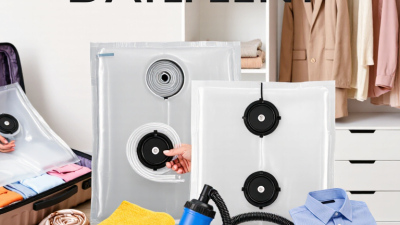
Flat-valve vacuum zipper bags suit businesses that store or ship soft, compressible goods. Clothing makers can use them for knitwear, uniforms, and seasonal stock. Hotels and linen services may find them useful for spare blankets and bedding. The valve lets air escape during compression, while the zipper provides convenient access later. Fit matters. A bag that is too small can strain seams or make closure difficult.

Outdoor retailers and travel suppliers may use these bags for sleeping bags, jackets, and other bulky fabric items. Small workshops can also pack textile samples to reduce storage volume. For dry food products, confirm that the bag’s materials and seals are rated for the intended use. A vacuum valve does not automatically provide an adequate barrier against moisture or oxygen. It is also less effective with sharp objects or products that spring back quickly. These details are easy to overlook.

Tips: Match the valve to the extraction nozzle and test a sample load before ordering in bulk. Check zipper alignment, film thickness, and how well the bag holds compression after storage. Results can vary with the product and packing method. A quick trial is worthwhile.