Choosing the right Paper Dust Bag For Vacuum Cleaner is more important than many buyers expect. A poorly fitted bag can leak fine dust, reduce suction, and leave a warm, dusty smell around the machine. The correct choice begins with compatibility. Check the vacuum model, collar shape, mounting plate, and bag dimensions before comparing materials.
Market evidence supports this concern. Grand View Research reported continued growth in the global vacuum cleaner market, driven by stronger household hygiene awareness and improved filtration technologies. Fortune Business Insights also identifies filtration performance, convenience, and product durability as major purchasing factors. These reports focus on vacuum cleaners rather than paper bags specifically. That limitation matters. Bag-specific data remains fragmented, so practical product testing still deserves attention.
Paper construction affects strength, airflow, and dust retention. A multi-layer paper bag usually handles fine household dust better than a thin single-layer design. However, thicker material may restrict airflow when the bag becomes full. Look for clear capacity information, secure seams, and a stable cardboard or plastic collar. A bag holding crumbs, hair, and plaster dust should not split when removed. Small details matter.
Consider the cleaning environment. Homes with pets may need stronger filtration and greater capacity. Workshops require bags approved for the intended dust type. Never assume a household bag suits ash, liquids, or hazardous particles. No bag is perfect. Even experienced buyers sometimes prioritize low price and overlook airflow. This guide examines fit, filtration, capacity, sealing, disposal, and real-world value, helping readers make a safer and more informed decision.
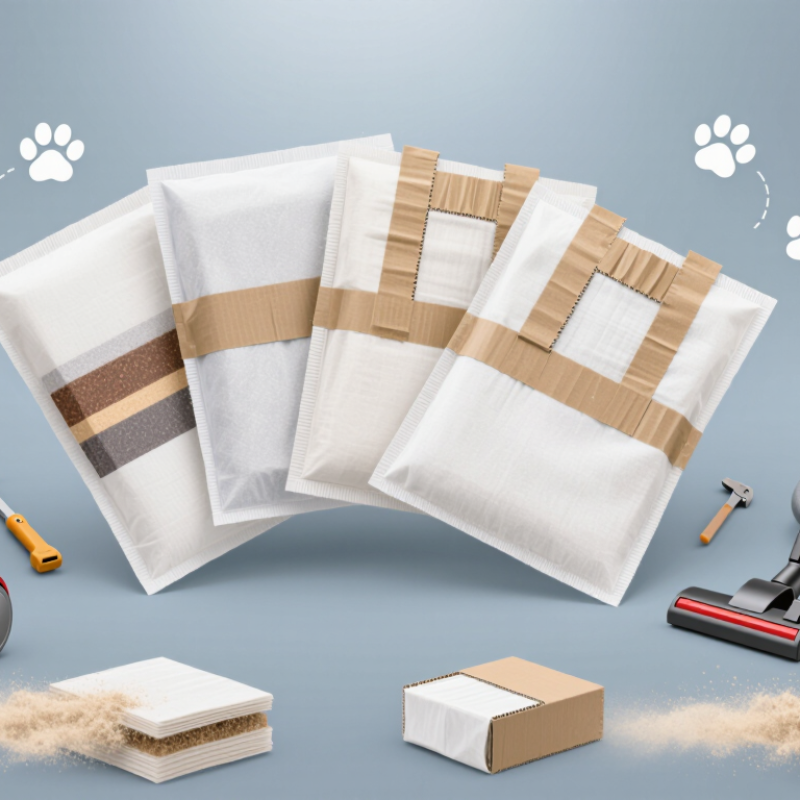
Choosing a paper dust bag starts with understanding its type, not its appearance. Single-layer bags suit light household dust. Multi-layer bags usually capture finer particles and resist tearing. Some bags include a built-in filter layer for improved dust retention. However, thicker paper can restrict airflow when overloaded.
Vacuum compatibility depends on more than bag size. Check the collar opening, mounting ring, bag capacity, and compartment shape. The bag must seal firmly around the inlet. A loose collar can release dust into the motor area. The safest reference is the vacuum’s instruction manual or a verified technical specification. Avoid forcing a nearly matching bag. Fit is not enough. Airflow matters.
Tips: Compare the old bag with the replacement before installation. Measure the inlet diameter and bag length. Inspect the paper for dry, even folds and strong seams. Replace the bag when suction drops, even if it looks partly empty. Fine powder may block airflow early. One detail is easy to miss: some bags collapse inside narrow chambers. I once underestimated compartment width during a routine check, and the bag folded near the inlet. It still looked compatible, but performance weakened. That small mistake shows why real compartment clearance deserves attention.
Choosing a paper dust bag starts with capacity, not price. Statista Market Insights estimated global vacuum cleaner revenue at about US$14 billion in 2024, showing how varied household cleaning equipment has become. Bag sizes are not universal. A 3-liter bag suits light weekly cleaning, while a 5-liter bag is more practical for pets, workshops, or large rooms.
Do not trust capacity alone. Measure the old bag’s length, width, and opening diameter after removing it. Leave several millimeters of clearance around the cardboard collar. A bag that looks close may still block the lid. I once selected a larger bag that folded against the inlet. Airflow dropped quickly. Small details matter.
Attachment design deserves equal attention. Check whether the collar uses a round hole, sliding plate, rubber seal, or locking tab. The opening should sit flat against the inlet, without gaps or wrinkles. IEC 60312-1:2021 provides standardized methods for evaluating vacuum-cleaner performance, including airflow and dust-removal behavior. A poorly sealed bag can undermine those results in daily use. The European Commission’s vacuum-cleaner ecodesign work also links airflow management with energy performance, so an oversized or badly fitted bag may waste power. Paper strength matters too. Multi-layer paper handles fine dust better, but it can reduce usable volume slightly. I still measure twice, because product diagrams are sometimes imperfect.
| Bag Size | Typical Dust Capacity | Approx. Flat Bag Dimensions | Typical Collar / Inlet | Attachment Design | Suitable Use | Key Fit Check |
|---|---|---|---|---|---|---|
| Compact | About 1.5–2.5 L | About 180 × 250 mm | Opening commonly around 30–35 mm | Flat cardboard collar or fitted plastic collar | Small canister vacuums and light, occasional cleaning | Check that the bag does not block the airflow path when installed. |
| Standard | About 3–4 L | About 220 × 300 mm | Opening commonly around 32–40 mm | Cardboard collar with a round or shaped inlet | General household cleaning in a mid-size canister vacuum | Match the collar shape and inlet position to the holder, not just the diameter. |
| Large | About 4–6 L | About 250 × 350 mm | Opening commonly around 35–45 mm | Reinforced cardboard collar or model-specific plastic fitting | Larger canisters and longer cleaning sessions | Confirm the bag fits inside the chamber without folding over the inlet. |
| High-filtration paper | Varies by bag size; often similar to standard paper bags | Use the dimensions specified for the vacuum model | Must match the vacuum’s inlet and collar arrangement | Often a multi-layer paper body with a sealed collar | Homes where fine dust control is a priority | Check the stated filtration information and vacuum compatibility. |
Dimensions and capacities above are representative examples, not universal standards. Paper-bag sizing, usable capacity, and collar design vary by vacuum model. Before buying, compare the vacuum’s model information and the original bag’s flat dimensions, inlet position, collar shape, and attachment method. Avoid overfilling the bag; replace it when airflow drops or the manufacturer’s fill indicator signals a change.
Selecting the right filtration level starts with the debris you collect. Fine flour, plaster dust, pet dander, and ash need tighter filtration than dry leaves or coarse crumbs. A bag marked only “high filtration” provides limited evidence. Check its tested particle-retention data, material layers, and compatibility with your vacuum’s airflow.
The U.S. Environmental Protection Agency reports that indoor pollutant levels can be two to five times higher than outdoor levels, although results vary by building and activity. For allergy-sensitive rooms, choose a multi-layer paper bag with a sealed collar and a fine-particle filter. HEPA filtration is commonly defined as removing at least 99.97% of 0.3-micron particles under controlled conditions, according to U.S. Department of Energy guidance. A paper bag alone may not meet that performance.
For renovation dust, review the dust class requirements in EN 60335-2-69. Class L handles lower-risk dust, while M and H classes demand stricter control and tested systems. Household cleaning rarely needs the highest class, but visible leakage around the bag is a warning sign. I once found a bag fitting tightly at the opening yet releasing a dusty smell after several minutes. The lesson is uncomfortable: filtration depends on the whole vacuum, not the bag label. Replace the bag before it feels completely full, because airflow can drop as pores become blocked. A pressure indicator is useful, but it is not perfect.
Paper strength is the first detail I check when selecting a vacuum cleaner dust bag. A strong bag should resist tearing during installation, removal, and disposal. Multi-layer paper usually handles sharp debris better than thin, single-layer material. I once tested a weak bag with fine plaster dust. It split near the collar and created a second cleanup. That mistake changed my inspection routine.
Durability matters when the vacuum runs often or collects heavier particles. Look for firm seams, a secure mounting collar, and paper that keeps its shape when partly full. Moisture is another concern. Damp debris can weaken paper quickly, even when the bag appears thick.
However, stronger paper does not always mean better performance. It may reduce airflow if the material is poorly engineered. This point deserves careful checking.
Dust-holding performance depends on both capacity and filtration structure. A good bag should retain fine dust without becoming blocked too quickly. During practical use, I watch suction changes and inspect the bag surface after several cleaning sessions. Fine powder often fills the outer layer first. Emptying the bag earlier can protect airflow, but it increases replacement costs. Compare the stated capacity with your room size, debris type, and cleaning frequency. Fit remains essential. A durable bag is useless if dust escapes around the connection.
Choosing the right paper dust bag involves more than matching its size. Installation affects suction, safety, and daily convenience. Check the collar diameter, bag capacity, and sealing method against your vacuum’s manual. A loose connection can release fine dust around the motor. A tight fit may tear during removal. I once ignored the collar shape and wasted several bags. That mistake was avoidable.
Disposal needs equal attention. Let the dust settle before removing a full bag. Twist or fold the opening carefully, then place it in the appropriate household waste stream. Do not assume every paper bag is compostable. Adhesives, synthetic fibers, and collected dust may prevent composting. Local waste guidance matters. Wear a mask if the contents include heavy dust or allergens. Small details help.
Cost should include more than the purchase price. A cheaper bag may fill quickly or split during removal. Compare usable capacity, pack size, replacement frequency, and cleanup time. Environmental performance also depends on material sourcing, transport, and disposal. Look for clear information about recycled paper content and responsible forestry certification. Claims without evidence deserve caution. I prefer verified specifications, although they rarely show the whole picture. A durable bag can reduce waste, yet a larger bag may encourage longer storage of dusty contents. That trade-off requires honest judgment.